Tag - Crop Management

Topic

Healthy foods and exercise equipment.

Land-grant university research and Extension strengthen nutrition, health and well-being

Chronic diseases are the leading cause of illness, disability and death in America. Research and Extension are fighting back. Over half of adults who participated in a Texas diabetes education program now choose healthier foods, monitor glucose levels during exercise, and control their diabetes to avoid interference with daily life. These changes could help participants save up to $94,021 in [...]

Read more...
Vegetables for sale at a farmers market stand.

Research and Extension ensure everyone has ample access to affordable, safe, nutritious food

Invasive pests damage crops, costing U.S. agriculture an estimated $30 billion every year. Pest management research and Extension stabilize the food supply chain. Researchers and Extension specialists in Oregon, developed cost-effective alternatives to glyphosate for herbicide-resistant Russian thistle control, protecting more than 30,000 acres of wheat and preventing over $1 million in yield losses so far.Oregon State University Extension Service. [...]

Read more...
A river bisects a field and forested riparian area

Research and Extension support resilient ecosystems

Recent studies and programs are conserving and protecting water used for drinking, fishing, irrigation and recreation.  Washington research helped establish 25 anaerobic digesters across the Pacific Northwest, turning dairy manure from more than 143,000 cows into biogas that provides more than 126 million kilowatt-hours of renewable energy per year. Digesters decrease water quality risks associated with nutrient runoff from manure [...]

Read more...
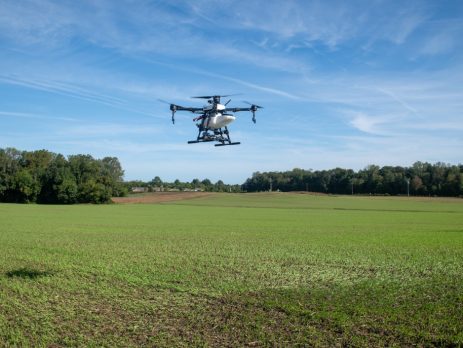
A drone flies over a field.

Research and Extension make agricultural systems more efficient, profitable, competitive and resilient

Strategies and tools for managing crop pests and diseases have increased productivity and profitability. For example: Extension units across the nation offer plant and pest diagnostic clinics. In New Mexico, free diagnoses saved producers an estimated $36,000 in testing fees in 2025, while also supporting biosecurity and export compliance. In Indiana, lab results and recommendations saved clients $890,000 in reduced [...]

Read more...
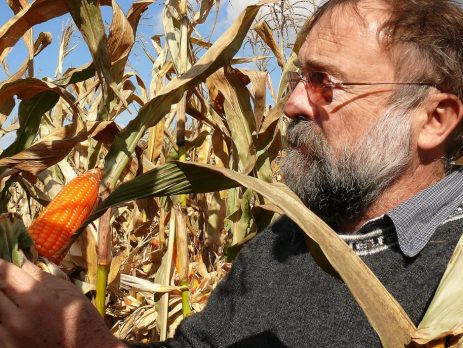
researcher looking at orange corn on the stalk

Breeding corn with orange grain high in antioxidant carotenoids

Carotenoids are antioxidant compounds naturally found in plants, but humans cannot synthesize them and must obtain them through diet. In the U.S., there are widespread deficiencies in two key macular carotenoids — lutein and zeaxanthin — which accumulate in the retina and brain. Low levels of these nutrients are linked to poorer visual health, increased risk of age‑related macular [...]

Read more...
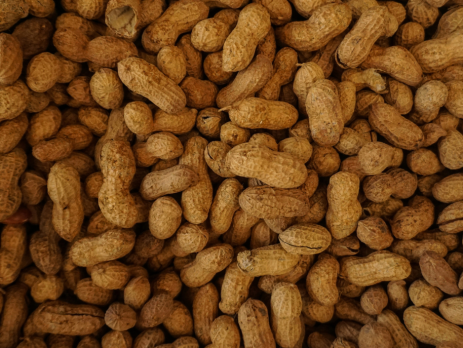
peanuts

Wild peanut varieties source of disease resistance

Cultivated peanuts are plagued by diseases and pests, which make them expensive to grow as use of chemical controls account for more than 30% of the cost of production. Peanuts have little genetic variety, so there is a small pool of resistance genes to combat sickness in this plant.  Wild peanut species, on the other hand, have strong resistances to [...]

Read more...
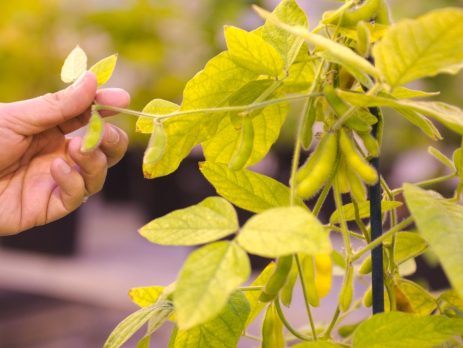
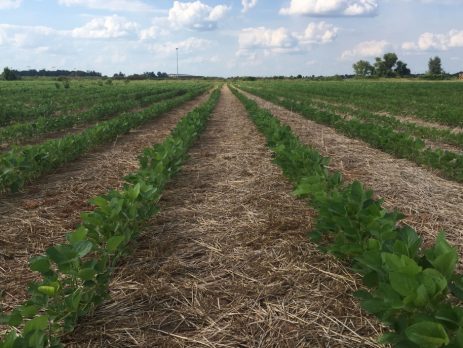
soybeans

Using genetics for crop disease resistance

Pests of major crops, including wheat, soybean, potatoes, tomatoes and wine grapes, cost American producers billions in yield losses each year and raise prices for consumers. Pathogens are steadily overcoming current genetic sources of resistance, making continuing efforts to identify and incorporate new genetics critical to reduce losses to farmers and protect markets and food security. Here are a few [...]

Read more...
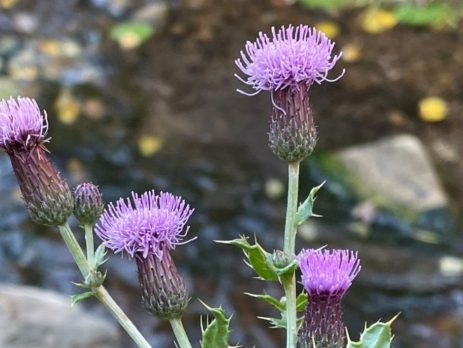
Canada thistle

Researchers show rust fungus helps control invasive Canada thistle

The noxious weed Canada thistle (Cirsium arvense L.), which originated from the eastern Mediterranean region, crowds out crops, forage and native plant species in the Intermountain West, creating challenges for producers and land management agencies. Some herbicides are effective against Canada thistle, but they can be costly, time-consuming and risky to apply.    In its native range, one factor that helps [...]

Read more...
sorghum varieties

Research and development of water-resilient sorghum expands rural economic opportunities in the West

In water-limited agricultural landscapes of the West, sustaining food crops for beef and dairy has become increasingly challenging. Traditional feed crops such as maize and alfalfa require large amounts of water, threatening herds and pushing researchers to explore more resilient alternatives.  As a result, scientists with the Nevada Agricultural Experiment Station are combining genetic improvements and precision agriculture to improve [...]

Read more...
a graphic of 4 world maps showing the percentage change in 4 different crop types: maize, soybeans, sorghum, and wheat

Even when farmers adapt to extreme weather, crop losses continue

A first-of-its-kind study analyzed the real-life measures that farmers worldwide are taking to combat reduced yields due to higher temperatures, drought conditions and other extreme weather. The findings indicate that even as they try to adapt to changing conditions, farmers are still experiencing a decline in agricultural productivity. The steepest losses are occurring at the extremes of the agricultural economy, [...]

Read more...
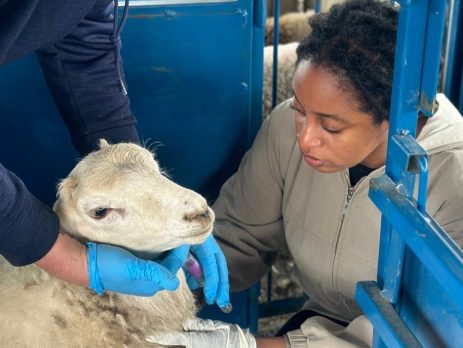
a vet giving a sheep a vaccine

Enhancing food safety with research and training

The United States food supply is among the safest in the world, but every day news stories report food recalls for a variety of safety reasons. Food safety must be maintained through every step of the production process, and land-grant institutions are the key to research and training that helps the food industry provide safe, healthy food. Here are a [...]

Read more...
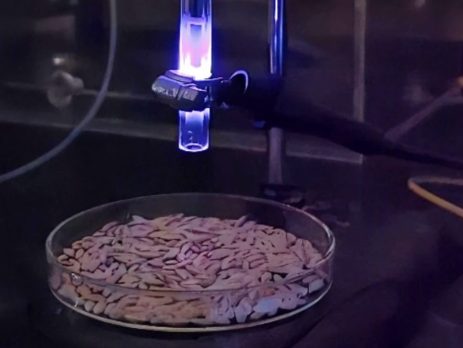
A glass tube with a glowing blue ejects plasma downward to a dish of rice seeds.

Cold plasma-treated rice seeds inhibit fall armyworm, improve early crop vigor

Fall armyworm, a major crop pest particularly damaging in rice, often requires repeated insecticide applications for control. Plasma — the same electrically charged matter responsible for the northern lights — may offer a new way to support crop growth and reduce damage from this major pest, according to Arkansas Agricultural Experiment Station researchers.   Scientists exposed rice seeds to atmospheric cold [...]

Read more...
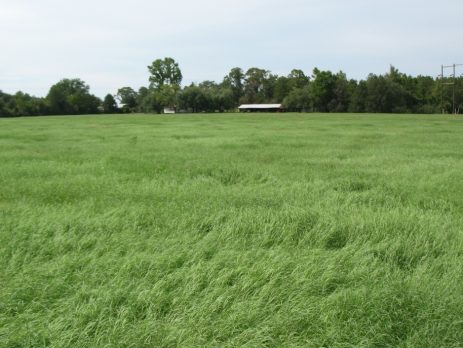
bermudagrass field

Texas livestock, forage producers focus on profitability

Forage production for livestock in Texas is a necessity and expensive. The annual cost of producing Bermudagrass forage per acre can span $200 to $450 when factoring in land costs, fertilization practices, machinery, expenses and variety grown. The cost of weed control in a pasture or hay meadow typically ranges from $5 to $24 per acre for herbicide alone.  The [...]

Read more...
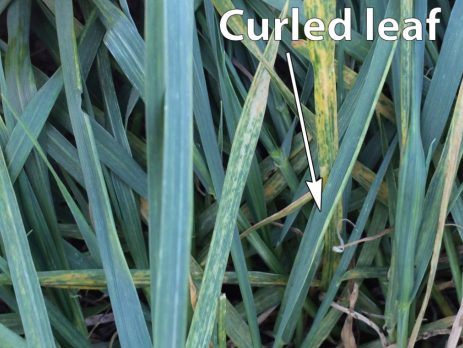
Symptoms of wheat streak mosaic include whitish to yellow streaking, which will usually be more pronounced toward the leaf tip. Note the curled leaf is where a colony of mites live.

Tackling wheat mosaic virus in Central, Western Kansas

A devastating outbreak of wheat mosaic virus hit Kansas in 2025, threatening the state’s multi-billion-dollar industry that produces 24% of the nation’s wheat crop. With potential yield losses exceeding 80% in infected fields, Kansas farmers and rural communities were faced with millions of dollars in losses. The disease is carried by a wind-born microscopic mite and cannot be controlled [...]

Read more...
A smiling woman in a green shirt and maroon cap crouches in a sunny field, harvesting a head of deep red leaf lettuce. She is working in a well-tended garden plot with irrigation lines, representing local agricultural impact and food production

Strengthening the agricultural workforce for the future

The workforce is changing. Across industries and states, trained workers are in demand to support local food systems, meet community needs, ensure safety and increase productivity. Land-grant universities are rising to the challenge of meeting these needs through partnerships, trainings, certifications and hands-on learning opportunities that strengthen the agricultural workforce. Here are a few examples of that work: Health and safety [...]

Read more...
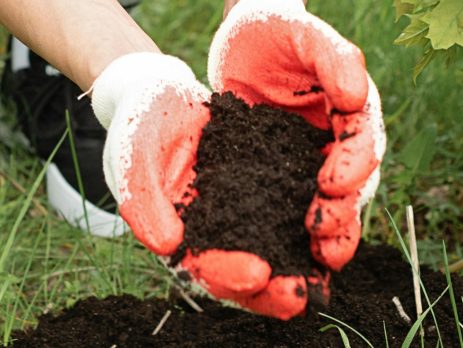
hands holding soil

Soil fertility research and education drive cost-effective crop production

South Dakota agriculture depends on efficient soil fertility management to remain profitable and environmentally sustainable. With more than 42 million acres in crop production, fertilizer represents one of the largest input costs for producers—accounting for roughly 27% of direct production expenses. Applying fertilizer at the correct rate, time and placement is critical to maximizing yields while avoiding unnecessary costs [...]

Read more...
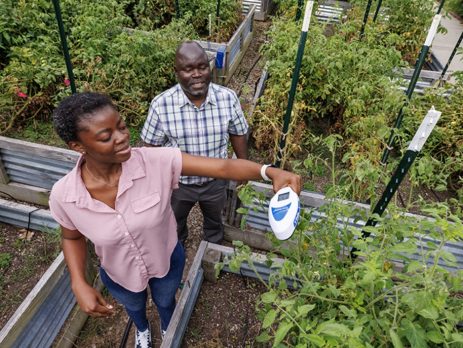
Blessing Masasi, Ph.D., N.C. A&T State University Department of Natural Resources and Environmental Design, right, and graduate student Anuoluwapo Adelabu check hydration levels in tomato plants, using a handheld device.

Smart irrigation helps farmers save water

Many farmers rely on traditional methods to decide when to irrigate their fields, using visual cues like wilting leaves or the feel of dry soil. But these methods lack the precision necessary to preserve water resources and may not meet the needs of crops.   North Carolina A&T Cooperative Extension researchers are using sensor technology and soil data to help farmers [...]

Read more...
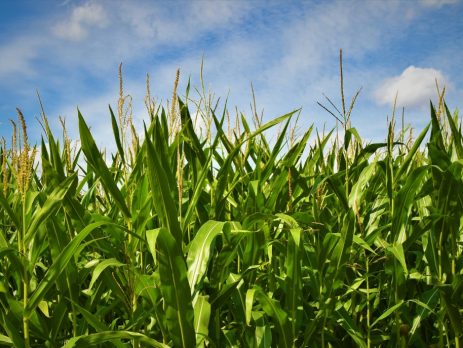
cornfield

Scientists unravel corn pest’s overwintering genes

Western and northern corn rootworms cost U.S. growers more than $1 billion each season. The larvae chew roots that anchor and feed corn plants, knocking down stalks and trimming grain weight. The beetles have become resistant to pesticide rotations and other control tactics, while the eggs they lay in soybean fields lie dormant until corn returns the following spring.  At the [...]

Read more...
A pair of hands in yellow gloves gently hold a strawberry plant, showing a flower and immature green strawberry, in a strawberry field.

Research helps increase specialty crop profitability

Specialty crop growers provide popular products to consumers. There are many challenges to growing the products commercially. Land-grant universities support growers with research and resources that help increase profitability and informed decision-making. Here are a few examples of that work: Apples are a popular product among consumers, but there are many challenges to growing them commercially in the Midwest and making [...]

Read more...
two scientists hold a corn plant and a soybean plant in a mock competition

Research answers question of planting priority: corn or soybean?

Planting date has a major influence on both corn and soybean yields. With only about half of May suitable for fieldwork in Ohio many years, producers often face a dilemma about which crop to plant first.   To address this question, Ohio State University researchers planted corn and soybeans on five dates ranging from early April to mid-June at three Ohio [...]

Read more...
berries on the vine

New fruit, vegetable cultivars offer new opportunities for growers

Developing or restoring different fruit and vegetable cultivars allow farmers to plant crops based on disease resistance, fertilizer requirements, adaptations to site-specific soil and weather conditions or greater yields. Some cultivars can be a pathway to new market opportunities and new bio-based products. Here are a few examples of that work: Hemp is re-emerging as the basis of a viable industry [...]

Read more...
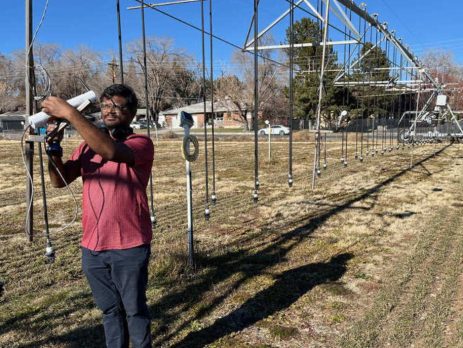
a researcher examines equipment for irrigation measurement

Informed decisions to optimize water use and irrigation investments

Harsh weather conditions and limited water access are driving research and technology innovation that will help farmers and producers make informed decisions about irrigation investments and how to optimize water use efficiency.   In Nevada, water is so limited that inefficient use of irrigation water can reduce crop yields and threaten a farm’s financial viability. Traditional irrigation systems assume uniform field [...]

Read more...
a no-till soybean field

Improving soil fertility through conservation practice adoption

Soil health challenges such as erosion, compaction, nutrient depletion and declining organic matter threaten crop productivity and long-term farm profitability in Indiana. Purdue Extension in Indiana, in collaboration with USDA NRCS, Farm Service Agency, Indiana State Department of Agriculture, and local soil and water conservation districts, has played a leading role in addressing these challenges through targeted soil health [...]

Read more...
a diseased plant

Improving crop profitability through disease management

Land-grant university research and Extension programs help producers manage costly plant diseases through early detection, risk assessment and science-based tools. By integrating applied research, diagnostics and education, growers protect yields, reduce unnecessary pesticide use, improve return on investment and strengthen long-term agricultural resilience across variable production systems. Here are a few examples of that work: South Dakota State Extension plant pathology [...]

Read more...
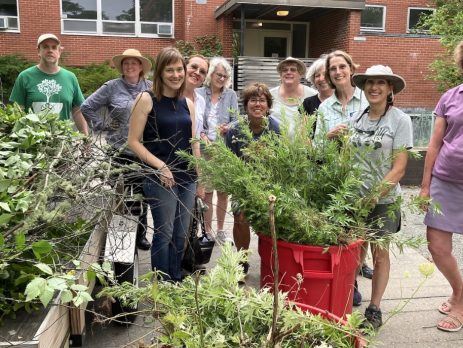
a smiling group of master gardeners

Horticulture programs sprout more resilient communities

Local horticulture is an important tool to combat food insecurity in underserved communities, while boosting environmental sustainability and community health. Volunteers with horticulture training through Extension Master Gardener programs partner with local organizations, schools and vulnerable communities to grow and distribute locally grown produce as well as create jobs.  Here are a few examples of that work: The Master Gardener program [...]

Read more...