Tag - Washington State University

Institution

young child walking in strawberry patch

Land-grant university research and Extension support resilience for youths, families and communities nationwide

Here are a few examples of that work:  The effectiveness of the Department of Defense’s Military Family Readiness System depends on well-trained Extension professionals with research-based tools and resources. Extension specialists in Kentucky contributed by providing personal finance training to military service providers so they can pass on knowledge, tools and resources that help military families prevent and navigate financial [...]

Read more...
Healthy foods and exercise equipment.

Land-grant university research and Extension strengthen nutrition, health and well-being

Chronic diseases are the leading cause of illness, disability and death in America. Research and Extension are fighting back. Over half of adults who participated in a Texas diabetes education program now choose healthier foods, monitor glucose levels during exercise, and control their diabetes to avoid interference with daily life. These changes could help participants save up to $94,021 in [...]

Read more...
Vegetables for sale at a farmers market stand.

Research and Extension ensure everyone has ample access to affordable, safe, nutritious food

Invasive pests damage crops, costing U.S. agriculture an estimated $30 billion every year. Pest management research and Extension stabilize the food supply chain. Researchers and Extension specialists in Oregon, developed cost-effective alternatives to glyphosate for herbicide-resistant Russian thistle control, protecting more than 30,000 acres of wheat and preventing over $1 million in yield losses so far.Oregon State University Extension Service. [...]

Read more...
A river bisects a field and forested riparian area

Research and Extension support resilient ecosystems

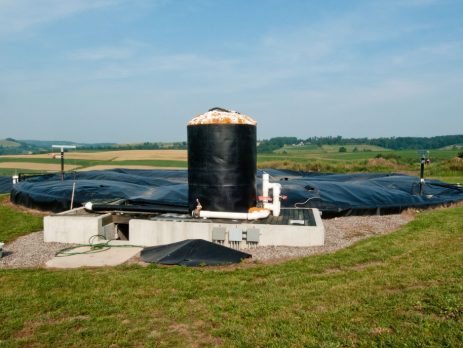
Recent studies and programs are conserving and protecting water used for drinking, fishing, irrigation and recreation.  Washington research helped establish 25 anaerobic digesters across the Pacific Northwest, turning dairy manure from more than 143,000 cows into biogas that provides more than 126 million kilowatt-hours of renewable energy per year. Digesters decrease water quality risks associated with nutrient runoff from manure [...]

Read more...

Land-grant university research and Extension drive new biofuels, bioplastics, biochar and other bio-based products, strengthening rural economies, environmental health and energy security

Here are a few examples of that work:  Partnering with a private company, scientists in Pennsylvania roduced and tested biomaterials to replace single-use, petroleum-based plastics. New composites made from cellulose and starch have improved stability and barrier properties and have been developed into compostable food packaging and handling products; adhesives and foams for packaging, wood composites and construction materials; and [...]

Read more...
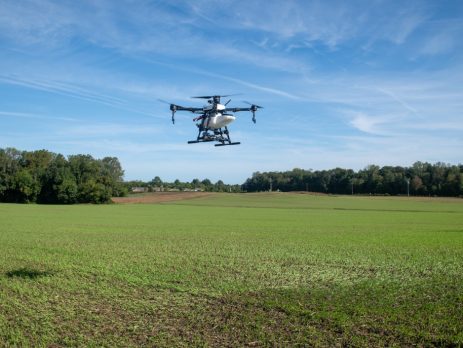
A drone flies over a field.

Research and Extension make agricultural systems more efficient, profitable, competitive and resilient

Strategies and tools for managing crop pests and diseases have increased productivity and profitability. For example: Extension units across the nation offer plant and pest diagnostic clinics. In New Mexico, free diagnoses saved producers an estimated $36,000 in testing fees in 2025, while also supporting biosecurity and export compliance. In Indiana, lab results and recommendations saved clients $890,000 in reduced [...]

Read more...
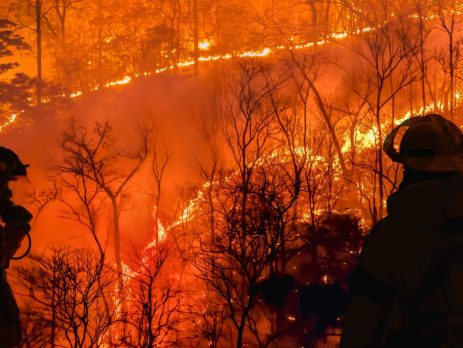
wildland firefighters

Protective clothing for wildland firefighters

Wildland firefighters face escalating health risks as fire seasons lengthen and fires become more intense. Their work demands long shifts involving strenuous physical labor — hiking, digging, carrying heavy packs and operating equipment — with exposure to extreme heat, dense smoke, humidity, high altitude and rough terrain. These conditions heighten the risk of heat stress, respiratory issues, dehydration, musculoskeletal [...]

Read more...
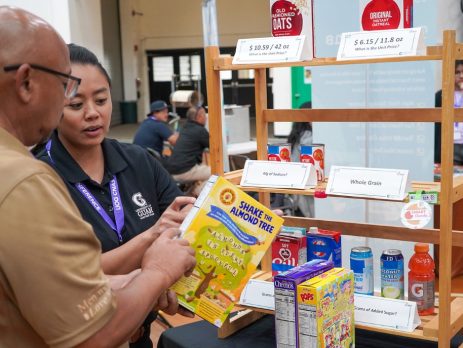
an Extension agent shows a member of the public how to read a nutrition label on a box of cereal

Improving food and nutrition knowledge and skills

The Expanded Food and Nutrition Education Program (EFNEP) helps adult and youth participants improve their nutrition and health. It promotes budget-friendly food choices by teaching skills in how to plan meals, shop wisely, and prepare affordable, nutritious foods. It empowers participants and builds self-confidence, leadership and lifelong healthy habits. By teaching food resource management and efficient use of available [...]

Read more...
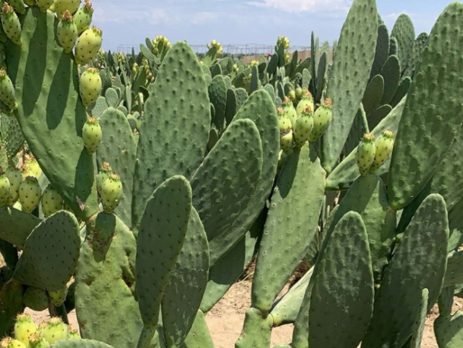
cacti

Developing sustainable domestic biofuels

Land‑grant universities are developing sustainable bioproduct solutions that transform renewable biomass, including food and agricultural wastes, into valuable materials. These bioproducts strengthen national energy and food security, lower greenhouse gas emissions and support rural economies. They also create new markets, provide farmers with additional income opportunities and help to reduce dependence on fossil fuels. Here are a few examples of [...]

Read more...
A pair of hands in yellow gloves gently hold a strawberry plant, showing a flower and immature green strawberry, in a strawberry field.

Research helps increase specialty crop profitability

Specialty crop growers provide popular products to consumers. There are many challenges to growing the products commercially. Land-grant universities support growers with research and resources that help increase profitability and informed decision-making. Here are a few examples of that work: Apples are a popular product among consumers, but there are many challenges to growing them commercially in the Midwest and making [...]

Read more...
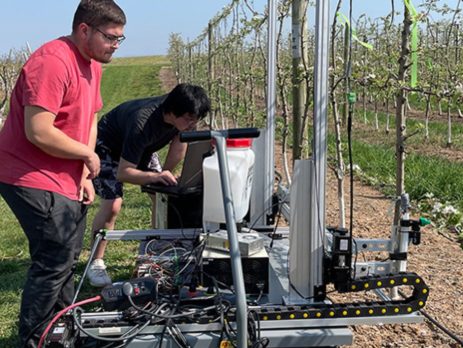
two scientists operate a robotic apple blossom sprayer

Emerging technology offers new tools for growers

Emerging technology is giving farmers tools to reduce the impacts of labor shortages, rising costs, changing weather patterns and regulatory demands, while improving production and profitability. These tools, using drones, robots, artificial intelligence and machine learning, offer a path to sustain productivity, worker safety and environmental performance in the agricultural economy. Projects demonstrate how these technical tools and artificial [...]

Read more...
crops growing out of dry, cracked soil

Understanding and identifying solutions for weather impacts on agriculture

Drought, severe weather and wildfires can have significant economic impacts on agriculture. Research and educational programming by land-grant universities helps us understand these effects and strengthen resilience. Here are a few examples of that work: Red clover, a commonly used forage crop in the northeastern U.S., increases its phytoestrogen levels under drought conditions, potentially affecting livestock reproductive health. The economic impact [...]

Read more...
ducks

Protecting biodiversity for healthy ecosystems and communities

Biodiversity supports healthy ecosystems and recreation around the world. A diverse range of species ensures stability and resilience in the face of environmental changes. Protecting biodiversity also preserves the opportunity for new discoveries, such as species that can be used as biological pest control agents or medicines. Land-grant university researchers and Extension professionals are working to protect the biodiversity [...]

Read more...
a person looks at information on their phone and laptop

Extension builds financial resilience for community prosperity

Extension professionals at land-grant universities across the United States are helping communities build financial resilience by providing access to education and resources that foster financial literacy and money management. Here are a few examples of that work: Twenty-one percent of Oklahoma children live below the poverty level. An Extension program called Reality Check helped youths learn money management practices and job [...]

Read more...
Dark storm clouds brewing over a field

Monitoring climate change to reduce emissions and waste

Land-grant universities are working to provide critical data, tools and strategies to help predict, monitor and mitigate climate change and its impacts on communities and natural resources. Here are a few examples of that work: Dairy waste is a major source of methane and nitrous oxide emissions, which contribute to global warming. Scientists in Washington showed that vermifiltration (which uses filters [...]

Read more...
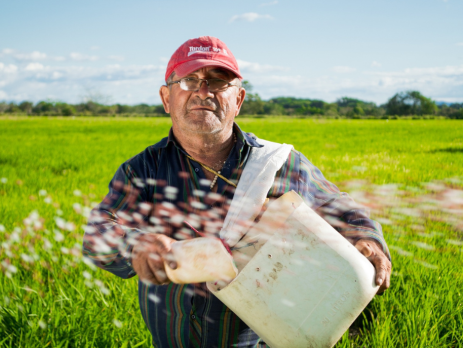
a farmer standing in a field

Aiding farmers and rural residents with mental health struggles

Agricultural producers have one of the highest suicide rates of any industry in the nation but can be hesitant to seek help when struggling with their mental health or have limited access to mental healthcare. Land-grant institutions across the country have implemented programming targeting mental health concerns. Here are a few examples of that work: The Farmer Focus Project surveyed producers [...]

Read more...
Aerial view of a field mapped out with drone technology

Emerging technologies aid conservation and management

Climate change and biodiversity losses pose extraordinary challenges for the sustainability of natural ecosystems and the species that inhabit them. Land-grant universities are developing and applying emerging technologies that can help to more efficiently, accurately and safely monitor, measure, and precisely manage these systems with minimal environmental impact. Here are a few examples of that work: In New Hampshire, researchers found [...]

Read more...
an agricultural field

Increasing food security with better food products

Ensuring an adequate supply of safe and nutritious food requires improving existing food varieties and innovating to develop new ones. Here are a few examples of how land-grant universities are contributing: Researchers in Washington generated more than 25 unique lines of rainbow trout with many more in the pipeline. Using biotechnology, they are developing commercial trout lines with enhanced production and [...]

Read more...
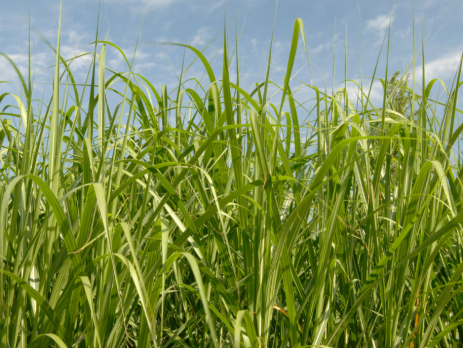
crops growing in a field

Creating new, sustainable products from agricultural waste and biomass

Petroleum and other nonrenewable materials are commonly used for plastics, industrial chemicals, pharmaceuticals, cosmetics and other products we use on a daily basis. But many of these products can be made from biomass, including food and agricultural wastes. Bioproducts offer a way to improve energy security, food security and national security while also cutting back on fossil fuel-related pollution [...]

Read more...
A tractor sprays pesticides in an orchard

Safer, more sustainable pest management

Managing pests is essential to healthy, safe and productive agricultural, urban, residential and natural areas. But pesticides can cause air and water pollution and unintended harm to nontarget organisms. Pesticide exposure has also been linked to human health problems. In addition, many pests eventually develop resistance to commonly used chemicals, rendering those chemicals ineffective. Researchers and Extension educators across [...]

Read more...
closeup photograph of pile of strawberries

Breeding crops tailored for the future

Food crops are constantly under attack by plant diseases and pests that result in losses in crop quantity and quality. Declines in crop health can lead to food waste and threaten global food security. Land-grant universities are breeding plants that are resistant to pests and disease for greater resilience and sustainability. Here are a few examples of that work: Researchers in [...]

Read more...