Tag - New Hampshire

State/Territory

A river bisects a field and forested riparian area

Research and Extension support resilient ecosystems

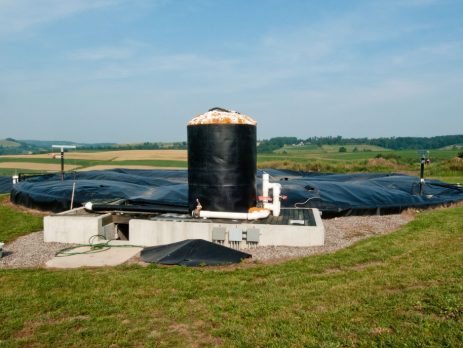
Recent studies and programs are conserving and protecting water used for drinking, fishing, irrigation and recreation.  Washington research helped establish 25 anaerobic digesters across the Pacific Northwest, turning dairy manure from more than 143,000 cows into biogas that provides more than 126 million kilowatt-hours of renewable energy per year. Digesters decrease water quality risks associated with nutrient runoff from manure [...]
Read more...

Land-grant university research and Extension drive new biofuels, bioplastics, biochar and other bio-based products, strengthening rural economies, environmental health and energy security

Here are a few examples of that work:  Partnering with a private company, scientists in Pennsylvania roduced and tested biomaterials to replace single-use, petroleum-based plastics. New composites made from cellulose and starch have improved stability and barrier properties and have been developed into compostable food packaging and handling products; adhesives and foams for packaging, wood composites and construction materials; and [...]

Read more...
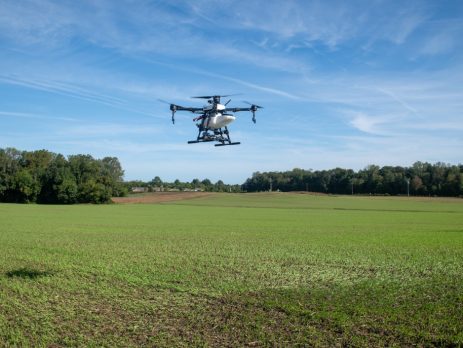
A drone flies over a field.

Research and Extension make agricultural systems more efficient, profitable, competitive and resilient

Strategies and tools for managing crop pests and diseases have increased productivity and profitability. For example: Extension units across the nation offer plant and pest diagnostic clinics. In New Mexico, free diagnoses saved producers an estimated $36,000 in testing fees in 2025, while also supporting biosecurity and export compliance. In Indiana, lab results and recommendations saved clients $890,000 in reduced [...]

Read more...
two researchers examine a cow

A safer treatment for mastitis, helping herds and farmers’ bottom lines

Mastitis, udder inflammation/infection, is a leading health issue in dairy herds, responsible for an estimated $2 billion in annual losses for U.S. farmers. New England dairy farms face unique challenges managing this disease due to high care costs for small-scale operations and restrictions on antibiotic use in organically certified dairies. There is a growing need for alternative, non-invasive methods [...]

Read more...
two students test manure at UNH Organic Research Dairy Farm

New solutions to support extended growing seasons for colder climates

Extending the growing season in colder climates can be challenging for small and mid-sized farms, especially in the northeastern U.S. Commercial greenhouses tend to be cost-prohibitive due to high energy demands. Another challenge faced in northern regions is winter waste management on livestock operations, when soils are often impermeable and microbial decomposition slows.  Scientists at the University of New Hampshire [...]

Read more...
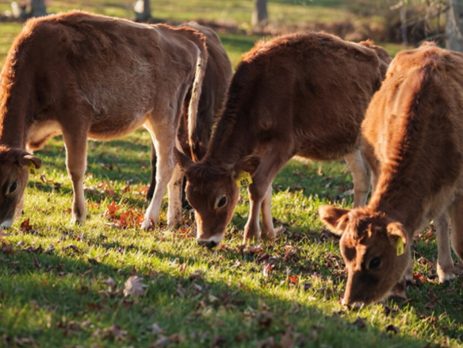
cattle in a field

Tech solutions for livestock management

Livestock producers face challenges such a shrinking labor force, limited veterinary access and rising costs. Artificial intelligence, precision agriculture technologies and genome sequencing have shown promise in improving livestock management, but up-front costs have generally restricted adoption to large-scale dairies. Small farms need economically feasible, effective tools tailored to their specific operations. Here are a few examples of that work: Researchers [...]

Read more...
A pair of hands in yellow gloves gently hold a strawberry plant, showing a flower and immature green strawberry, in a strawberry field.

Research helps increase specialty crop profitability

Specialty crop growers provide popular products to consumers. There are many challenges to growing the products commercially. Land-grant universities support growers with research and resources that help increase profitability and informed decision-making. Here are a few examples of that work: Apples are a popular product among consumers, but there are many challenges to growing them commercially in the Midwest and making [...]

Read more...
mouse

New Hampshire researchers study how small mammals adapt when forest seed cycles shift

Interactions between plants and animals are key to the biodiversity and long-term ecological resilience of forests. Small mammals such as mice, voles and shrews play an essential role in this system by dispersing seeds, allowing new trees to grow. Because seed production can fluctuate dramatically from year to year, especially during large “masting” events, understanding how these animals adjust [...]

Read more...
people hiking

Enhancing health and well-being through physical fitness

Regular physical activity, such as walking, is critical for overall health and well-being. It helps improve cardiovascular health, strengthen muscles, enhance flexibility and reduce stress and anxiety. It also aids in weight management and reduces the risk of chronic diseases like diabetes and hypertension. The Land-grant University System plays a significant role in promoting physical fitness and health through [...]

Read more...
crops growing out of dry, cracked soil

Understanding and identifying solutions for weather impacts on agriculture

Drought, severe weather and wildfires can have significant economic impacts on agriculture. Research and educational programming by land-grant universities helps us understand these effects and strengthen resilience. Here are a few examples of that work: Red clover, a commonly used forage crop in the northeastern U.S., increases its phytoestrogen levels under drought conditions, potentially affecting livestock reproductive health. The economic impact [...]

Read more...
ducks

Protecting biodiversity for healthy ecosystems and communities

Biodiversity supports healthy ecosystems and recreation around the world. A diverse range of species ensures stability and resilience in the face of environmental changes. Protecting biodiversity also preserves the opportunity for new discoveries, such as species that can be used as biological pest control agents or medicines. Land-grant university researchers and Extension professionals are working to protect the biodiversity [...]

Read more...
fruit growing on a tree

Specialty crop growers benefit from land-grant university research

Scientists at land-grant universities are responding to local grower needs to strengthen specialty crop quality and economics. Here are a few examples of that work: Researchers in New York are studying a new threat to vineyards. Research on how the disease is spread through hoppers led to recommendations on management practices to manage the virus spread.Cornell AgriTech. See full statement.   Two-thirds of [...]

Read more...
a robot picking berries

Digital agriculture enhances production, monitoring capabilities

Data modeling, automated machinery and drones are just a few of the technologies that are powering improved efficiencies in livestock and crop production. Land-grant universities are at the forefront of researching and applying these technologies, paving the way for increased productivity, better disease management and optimized harvest timing. Here are a few examples of that work: In Idaho, many cattle producers [...]

Read more...
cup being filled with water from a sink tap

Water resiliency programs directly help individual households

Water quality is a growing concern due to pollutants in streams, ponds, wetlands and groundwater. Extension programs in Pennsylvania and New Hampshire have successfully raised awareness and promoted remediation.  The Pennsylvania State University Water Resources Extension Team created the Safe Drinking Water Clinic, reaching 4,800 people annually. These clinics help identify health and aesthetic standards violations, leading to long-term cost [...]

Read more...
person hiking wearing a baby carrier

Integrating biodiversity conservation with outdoor recreational activities for public well-being

More than 6 million visitors enjoy the trails of the White Mountain National Forest in New Hampshire annually, as hiking plays a significant role in the state’s recreational tourism economy. A study supported by the New Hampshire Agricultural Experiment Station is investigating how the biological diversity of forests impacts the psychological well-being of hikers, helping understand the relationship between [...]

Read more...
photo of plates of healthy foods, including pita, veggies, salmon, chicken, and avocado toast

Improving gut health advances healthful outcomes

Probiotic bacteria have sparked considerable interest in both the food industry and among consumers, thanks to their potential to contribute to disease interventions and enhance human health. These microorganisms must navigate the challenging terrain of the gastrointestinal (GI) tract to exert their beneficial effects. Land-grant universities are discovering and sharing ways to improve probiotic absorption and gut health to [...]

Read more...
Aerial view of a field mapped out with drone technology

Emerging technologies aid conservation and management

Climate change and biodiversity losses pose extraordinary challenges for the sustainability of natural ecosystems and the species that inhabit them. Land-grant universities are developing and applying emerging technologies that can help to more efficiently, accurately and safely monitor, measure, and precisely manage these systems with minimal environmental impact. Here are a few examples of that work: In New Hampshire, researchers found [...]

Read more...
a group of scientists planting experimental crops

Reaching diverse farms and farmers

Extension educators and researchers across the Land-grant University System reach diverse farmers and farms through programming, information and accessible tools. Their work ensures farming resources are available to all individuals. Here are a few examples of that work: Minnesota Extension launched a pilot project to bring Minnesota-grown goat meat to halal customers. The collaboration has resulted in the first halal certified [...]

Read more...
drone flying over a body of water

Drone-based monitoring of water bodies allows for earlier detection of ecological threats

Toxic blue-green algae blooms of cyanobacteria in water bodies can pose significant environmental and public health risks. Collecting and analyzing single samples from these harmful algal blooms is time consuming and can expose researchers to harmful toxins. To address these limitations and risks, University of New Hampshire researchers used an unpiloted aerial system (UAS), or drone, with a multispectral sensor [...]

Read more...
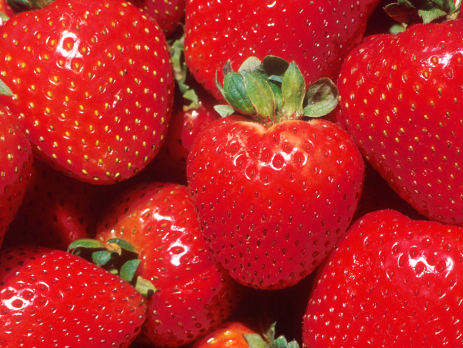
closeup photograph of pile of strawberries

Breeding crops tailored for the future

Food crops are constantly under attack by plant diseases and pests that result in losses in crop quantity and quality. Declines in crop health can lead to food waste and threaten global food security. Land-grant universities are breeding plants that are resistant to pests and disease for greater resilience and sustainability. Here are a few examples of that work: Researchers in [...]

Read more...