Tag - Maryland

State/Territory

Healthy foods and exercise equipment.

Land-grant university research and Extension strengthen nutrition, health and well-being

Chronic diseases are the leading cause of illness, disability and death in America. Research and Extension are fighting back. Over half of adults who participated in a Texas diabetes education program now choose healthier foods, monitor glucose levels during exercise, and control their diabetes to avoid interference with daily life. These changes could help participants save up to $94,021 in [...]

Read more...
Vegetables for sale at a farmers market stand.

Research and Extension ensure everyone has ample access to affordable, safe, nutritious food

Invasive pests damage crops, costing U.S. agriculture an estimated $30 billion every year. Pest management research and Extension stabilize the food supply chain. Researchers and Extension specialists in Oregon, developed cost-effective alternatives to glyphosate for herbicide-resistant Russian thistle control, protecting more than 30,000 acres of wheat and preventing over $1 million in yield losses so far.Oregon State University Extension Service. [...]

Read more...
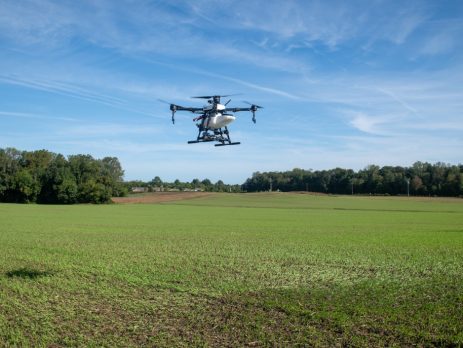
A drone flies over a field.

Research and Extension make agricultural systems more efficient, profitable, competitive and resilient

Strategies and tools for managing crop pests and diseases have increased productivity and profitability. For example: Extension units across the nation offer plant and pest diagnostic clinics. In New Mexico, free diagnoses saved producers an estimated $36,000 in testing fees in 2025, while also supporting biosecurity and export compliance. In Indiana, lab results and recommendations saved clients $890,000 in reduced [...]

Read more...
two people in business attire look at a document

Train-the-Trainer model enhances financial professionals’ ability to increase financial literacy in clients

Finance professionals play a key role in helping American families increase financial literacy and stability. While technology has made it easier for people to learn about finance, limited financial literacy and distrust in finance professionals among low-to-moderate income earners illustrates the need for finance professionals to better reach this audience.  The University of Maryland Extension uses a train-the-trainer approach to [...]

Read more...
a woman paying bills

Improving financial literacy and well-being in adults

Adults in the U.S. often struggle with financial well-being. They face challenges including insufficient savings, debt struggles and confusion around changing tax codes. The Land-grant University System helps adults improve their financial literacy and stability. Here are a few examples of that work: In-person and virtual finance education programs in South Dakota taught fiscal management practices and consumer economics that helped [...]

Read more...
Youths wearing life vests stand on a dock as they fill out forms while an adult explains the process

Extension introduces youths to career opportunities in agriculture and STEM

The United States is facing a dearth of skilled and educated workers across the agricultural industry. With many young people being several generations removed from agriculture within their families, and removed from where their food comes from, introducing youths to the variety of careers in agriculture and food systems and teaching related skills can build a new generation of [...]

Read more...
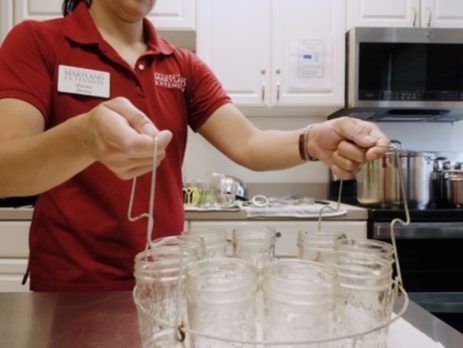
UME Agent, Shauna Henley, preparing mason jars for sterilization

Extension trainings keep Americans safe from foodborne illness

Foodborne illness is a widespread, costly public health concern in the United States. Each year, one in six Americans becomes sick from contaminated food, leading to hospitalizations, long-term health complications and even death. Pregnant women, the elderly, young children and people with weakened immune systems or chronic diseases are most at risk. Because food safety risks can occur at [...]

Read more...
two seniors drinking tea at a table

An integrated community-based approach to hypertension

Hypertension is one of the most significant chronic health challenges facing older adults, affecting two-thirds of Americans over age 60 and contributing to cardiovascular disease, cognitive decline and loss of independence. Despite its prevalence, this population has the lowest hypertension control rates, increasing strain on families, health systems and community resources. While the Dietary Approaches to Stop Hypertension (DASH) [...]

Read more...

Making aquaculture more productive, safe and economical

The seafood industry is economically vital and provides an important source of protein for the world. Challenges to aquaculture include inefficient production methods, expensive feed inputs and food safety. Land-grant efforts are protecting and promoting this booming industry. Here are a few examples of that work: As feed is the most expensive cost of aquaculture, researchers in Alabama are developing feeds [...]

Read more...
farmers watch a demonstration at a field day

Hands-on learning through trials and demonstrations

Lack of awareness and understanding of the latest research and technologies can impact profitability on small farms. Land-grant universities provide hands-on learning opportunities where producers can learn from one another, see real-time demonstrations and learn about the latest research trials to support decision-making. Here are a few examples of that work: Turmeric, a tropical plant that thrives in Guam, has been [...]

Read more...
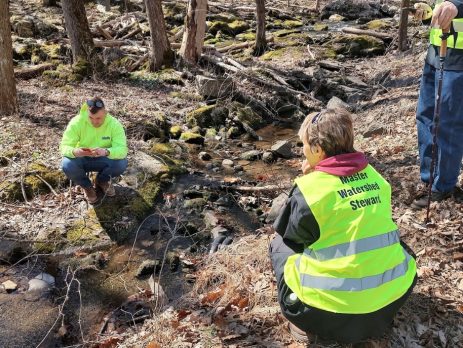
Master Watershed Stewards examine a creek

Land-grant universities help communities tackle stormwater challenges

Across the country, communities face challenges in managing runoff after rainfall. When not properly managed, stormwater can cause flooding, erode land and transport contaminants and debris into waterbodies. Land-grant universities are helping residents, businesses and local governments find solutions — from installing rain gardens to changing the way ditches are drained — while raising public awareness of stormwater issues [...]

Read more...
Tahirah Johnson examines testing samples under a magnifying glass in a research lab on the University of Maryland Campus in 2024.

Innovative methods for safer, healthier food production practices

Regional food production is critical to local economies and supporting American food systems. Rising reports of foodborne illnesses, increased antibiotic resistance and newer production systems like soilless agriculture necessitate a better understanding of the risks and options to improve the safety and health value of food products from produce to shellfish and tree nuts. 1890 land-grant universities are examining [...]

Read more...
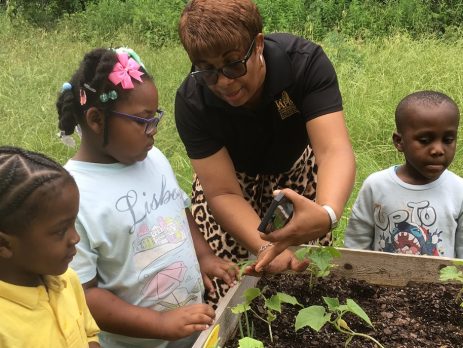
preschoolers look at plants in a raised bed

Strengthening youth development through experiential learning

Experiential learning equips young people with hands-on skills, critical thinking abilities and real-world problem-solving experiences that strengthen academic success, workforce readiness and lifelong learning. Through community-based programs, 1890 land-grant universities play a vital role in ensuing opportunities by connecting research, Extension, and education to support youth and prepare the next generation of leaders. Here are a few examples of that [...]

Read more...
chickens around a feeder

Mitigating costly poultry diseases

Avian diseases pose a major challenge to the nation’s $77 billion poultry industry and drastically increase the cost of poultry products for consumers. Avian diseases can also pose a health threat to other animals and humans. At the same time, there is a demand to produce poultry without antibiotics or other drugs commonly used to fight diseases. Working together, [...]

Read more...
view of tree canopy from below

Private land stewardship protects environment and communities

Practicing good stewardship of private lands is important for the health of our ecosystems and communities. Researchers, Extension professionals and educators at land-grant universities across the United States provide training, tools and other resources to help private landowners manage their land in ways that are environmentally friendly and economically sustainable. Here are a few examples of that work: Extension professionals in [...]

Read more...
crops growing out of dry, cracked soil

Understanding and identifying solutions for weather impacts on agriculture

Drought, severe weather and wildfires can have significant economic impacts on agriculture. Research and educational programming by land-grant universities helps us understand these effects and strengthen resilience. Here are a few examples of that work: Red clover, a commonly used forage crop in the northeastern U.S., increases its phytoestrogen levels under drought conditions, potentially affecting livestock reproductive health. The economic impact [...]

Read more...
ducks

Protecting biodiversity for healthy ecosystems and communities

Biodiversity supports healthy ecosystems and recreation around the world. A diverse range of species ensures stability and resilience in the face of environmental changes. Protecting biodiversity also preserves the opportunity for new discoveries, such as species that can be used as biological pest control agents or medicines. Land-grant university researchers and Extension professionals are working to protect the biodiversity [...]

Read more...
a small body of water

Protecting valuable water resources

Water resources that sustain agriculture and communities continue to face critical challenges. Land-grant universities are working to discover new ways to increase water use efficiency, reduce water use and protect water quality. Here are a few examples of that work: Researchers at Cornell University in New York engineered novel enzymes that can break down microplastics into small products that can be [...]

Read more...
an experimental setup for plant growth

Land-grant university research creates sustainable domestic products from agricultural waste and biomass

Petroleum and other nonrenewable materials are widely used for daily products, but many of these items can be made from biomass, including food and agricultural wastes. Bioproducts enhance energy, food and national security while reducing fossil fuel reliance and emissions. They also create jobs, boost the economy, provide farmers with extra income and reduce harmful disposal methods. Here are a [...]

Read more...
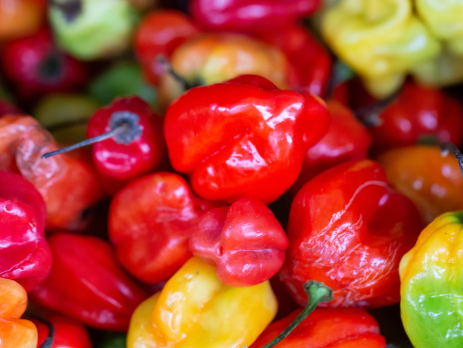
peppers

Land-grant universities foster community, student resilience

The 1890 land-grant universities are committed to strengthening communities, farmers and students through meaningful outreach initiatives. Their engagement ensures that resources are tailored to meet local needs such as food security and economic development. Through these efforts, the universities are fostering more resilient communities for generations to come. Here are a few examples of that work: A food bank needs assessment [...]

Read more...
a hand touches a growing plant

Extension, Food Bank partner to satisfy food demand, while opening economic opportunities to local farmers

A Maryland Food Bank needs assessment showed a growing desire for more non-native vegetables. An alternative crop specialist with the University of Maryland Eastern Shore Extension noted the economic opportunity for farmers. Alternative crops are high value, creating a niche market that sets small-scale farmers apart from commercial growers and increases their income potential. In 2023, the alternative crop specialist [...]

Read more...
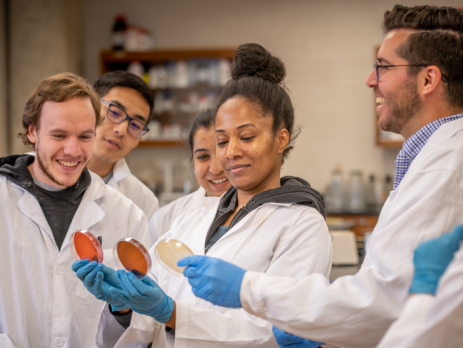
a group of scientists look at samples of petri dishes

Using genomics and machine learning to predict food-borne illness outbreaks

Each year about one in six Americans get sick from contaminated food. The germs that cause food-borne illnesses – like E. coli, salmonella and listeria – pop up throughout the food system. These outbreaks are hard to predict because scientists don’t yet know enough about how the germs survive and proliferate.  At the University of Maryland, researchers received funding from [...]

Read more...
two scientists take a sample

Land-grant universities drive sustainability through innovative agricultural practices

The 1890 land-grant universities are dedicated to improving the well-being of economically challenged communities. By focusing on sustainable practices, these institutions help address key challenges like food security, environmental stewardship and economic resilience. Through research, Extension and education, they equip farmers and communities with innovative techniques that preserve resources for future generations. Here are a few examples of that work: Researchers [...]

Read more...
covid virus

Researchers develop nasal COVID-19 vaccine in mice, hamsters

New variants cause increases in COVID-19 cases and hospitalizations. While the updated mRNA vaccines remain effective at preventing severe illness and death, they may not be as effective in reducing infection and transmission over time. To overcome this gap, the U.S. government initiative called Project NextGen seeks to develop an effective and safe nasal vaccine for controlling the spread [...]

Read more...
the torso of a person checking something off on a clipboard

Research and education combine to fight food contamination

The U.S. Centers for Disease Control estimate that 48 million people become ill from foodborne illnesses annually, resulting in 3,000 deaths. Through research and education, land-grant institutions are working to reduce the pathogens contained in food and increase food security. Here are a few examples of that work: In Vermont, a certification program known as CAPS+ was developed to assure retailers [...]

Read more...