Tag - Delaware

State/Territory

Vegetables for sale at a farmers market stand.

Research and Extension ensure everyone has ample access to affordable, safe, nutritious food

Invasive pests damage crops, costing U.S. agriculture an estimated $30 billion every year. Pest management research and Extension stabilize the food supply chain. Researchers and Extension specialists in Oregon, developed cost-effective alternatives to glyphosate for herbicide-resistant Russian thistle control, protecting more than 30,000 acres of wheat and preventing over $1 million in yield losses so far.Oregon State University Extension Service. [...]
Read more...
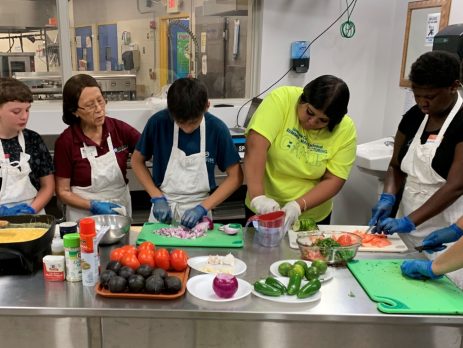
a group of youth and an instructor cook in an industrial kitchen

Expanding food and nutrition education among youth

Early habits among youth often last a lifetime. Extension provides the Expanded Food and Nutrition Education Program (EFNEP) to both youth and adults to improve habits in nutrition, physical activity and food safety. Youth-centered programs help participants develop healthy habits, reduce obesity levels and promote overall well-being. Here are a few examples of that work: Youth in Maine face high rates [...]

Read more...
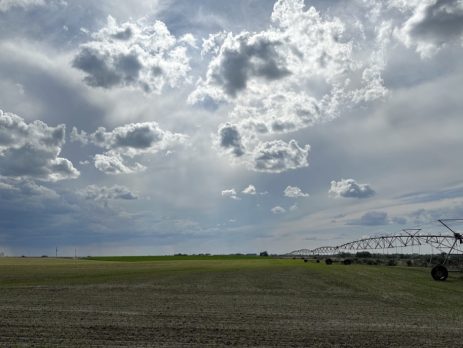
irrigation of a field

The relationship between irrigation and child nutrition

There is an assumption that irrigation automatically leads to better food security. But irrigation doesn’t consistently improve nutrition because regions with sufficient water often use irrigation for export-oriented cash crops, which are less likely to enter the local food system.   A major study had Vermont researchers partnering with other institutions to show that irrigation expansion in the Global South is linked [...]

Read more...
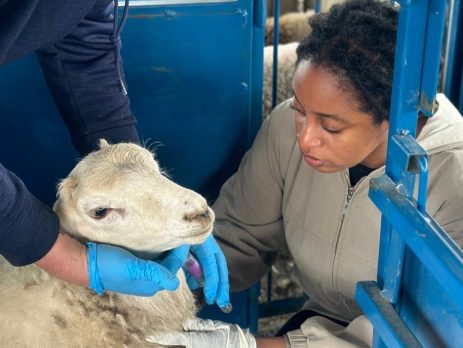
a vet giving a sheep a vaccine

Enhancing food safety with research and training

The United States food supply is among the safest in the world, but every day news stories report food recalls for a variety of safety reasons. Food safety must be maintained through every step of the production process, and land-grant institutions are the key to research and training that helps the food industry provide safe, healthy food. Here are a [...]

Read more...
a group of children smile around a science experiment

Land-grant universities support youths, build stronger communities

The Land-grant University System plays a crucial role in equipping young people with the skills, knowledge and leadership abilities they need to thrive in their personal and professional lives. Here are a few examples of that work: In North Carolina, the Bertie DigiCon provided residents with tools and resources to overcome digital barriers. The event raised funds for youth development and [...]

Read more...
chickens around a feeder

Mitigating costly poultry diseases

Avian diseases pose a major challenge to the nation’s $77 billion poultry industry and drastically increase the cost of poultry products for consumers. Avian diseases can also pose a health threat to other animals and humans. At the same time, there is a demand to produce poultry without antibiotics or other drugs commonly used to fight diseases. Working together, [...]

Read more...
view of tree canopy from below

Private land stewardship protects environment and communities

Practicing good stewardship of private lands is important for the health of our ecosystems and communities. Researchers, Extension professionals and educators at land-grant universities across the United States provide training, tools and other resources to help private landowners manage their land in ways that are environmentally friendly and economically sustainable. Here are a few examples of that work: Extension professionals in [...]

Read more...
crops growing out of dry, cracked soil

Understanding and identifying solutions for weather impacts on agriculture

Drought, severe weather and wildfires can have significant economic impacts on agriculture. Research and educational programming by land-grant universities helps us understand these effects and strengthen resilience. Here are a few examples of that work: Red clover, a commonly used forage crop in the northeastern U.S., increases its phytoestrogen levels under drought conditions, potentially affecting livestock reproductive health. The economic impact [...]

Read more...
two scientists look at a tablet

Food industry worker training reduces foodborne illness and enhances workforce development

Foodborne illnesses are a common and costly, yet preventable, public health issue. Training workers in the food industry on food safety issues is critical to public health as well as workforce development. Land-grant universities across the country continue to find innovative and effective methods to train workers on foodborne illness, how to prevent it and how to train other [...]

Read more...
a family preparing a meal

Expanded Food and Nutrition Education Program strengthens families with hands-on education

The Expanded Food and Nutrition Education Program (EFNEP) strengthens families by providing hands-on nutrition education to those with limited resources. Through practical lessons in healthy eating, meal planning, food budgeting and physical activity, EFNEP helps families develop lifelong skills that improve their overall well-being. As families adopt healthier lifestyles, they reduce their risk of chronic diseases and food insecurity. [...]

Read more...
a ladybug

Land-grant universities offer solutions for pest management

Land-grant university pest management programs promote sustainable agriculture. In particular, research-based education helps farmers use pesticides more effectively and safely, improving pest control efficiency and reducing human and environmental exposure to chemicals that can pose health risks. Overall, these practices foster more sustainable farming, leading to healthier ecosystems and improved long-term agricultural productivity. Here are a few examples of that [...]

Read more...
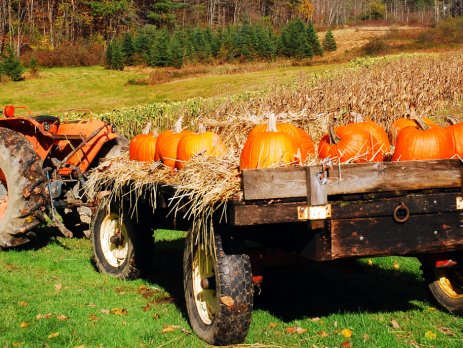
pumpkins in a tractor wagon

Research and Extension strengthens markets through technology, education

Preserving and strengthening markets is essential to the sustainability of the agricultural sector. Through technology and educational programs provided by land-grant universities, small agricultural businesses can identify new trends, develop risk management strategies and adopt new methods to ensure their businesses thrive. Here are a few examples of that work: Broadband plays a vital role in marketing businesses and facilitating commerce. [...]

Read more...
a person wearing PPE and looking at a device

Land-grant universities support the viability of livestock production

From teaching producers biosecurity techniques to keeping poultry cool in extreme temperatures to identifying genetic traits that will optimize production, land-grant university researchers and Extension professionals are supporting the viability of livestock production in the United States. Here are a few examples of that work: Researchers at land-grant universities nationwide are developing and using advanced technologies and data to improve poultry [...]

Read more...
a group of people outdoors, smiling

Cultivating mental health resilience

The Land-grant University System is tackling mental health challenges through innovative programs. Extension professionals are uniquely positioned to educate and support urban, suburban and rural communities, offering programs that teach coping skills, recognize mental health signs, and normalize conversations about mental health. Addressing mental health is crucial because it enhances overall well-being, improves quality of life and fosters healthier, [...]

Read more...