Tag - Arkansas

State/Territory

young child walking in strawberry patch

Land-grant university research and Extension support resilience for youths, families and communities nationwide

Here are a few examples of that work:  The effectiveness of the Department of Defense’s Military Family Readiness System depends on well-trained Extension professionals with research-based tools and resources. Extension specialists in Kentucky contributed by providing personal finance training to military service providers so they can pass on knowledge, tools and resources that help military families prevent and navigate financial [...]

Read more...
Healthy foods and exercise equipment.

Land-grant university research and Extension strengthen nutrition, health and well-being

Chronic diseases are the leading cause of illness, disability and death in America. Research and Extension are fighting back. Over half of adults who participated in a Texas diabetes education program now choose healthier foods, monitor glucose levels during exercise, and control their diabetes to avoid interference with daily life. These changes could help participants save up to $94,021 in [...]

Read more...
A river bisects a field and forested riparian area

Research and Extension support resilient ecosystems

Recent studies and programs are conserving and protecting water used for drinking, fishing, irrigation and recreation.  Washington research helped establish 25 anaerobic digesters across the Pacific Northwest, turning dairy manure from more than 143,000 cows into biogas that provides more than 126 million kilowatt-hours of renewable energy per year. Digesters decrease water quality risks associated with nutrient runoff from manure [...]

Read more...
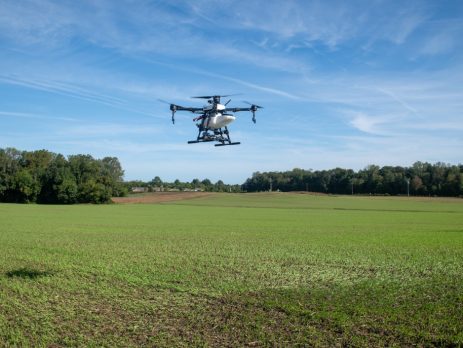
A drone flies over a field.

Research and Extension make agricultural systems more efficient, profitable, competitive and resilient

Strategies and tools for managing crop pests and diseases have increased productivity and profitability. For example: Extension units across the nation offer plant and pest diagnostic clinics. In New Mexico, free diagnoses saved producers an estimated $36,000 in testing fees in 2025, while also supporting biosecurity and export compliance. In Indiana, lab results and recommendations saved clients $890,000 in reduced [...]

Read more...
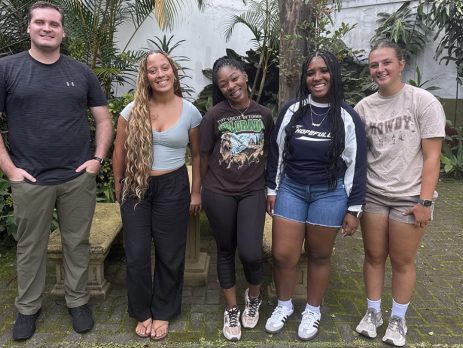
a group of smiling college students

Immersive study abroad builds language skills and global readiness in Arkansas

University students must develop foreign language fluency and cross-cultural competence to remain competitive in today’s global workforce. Traditional classroom instruction often limits opportunities for real-world language practice and cultural immersion, creating gaps in applied communication skills. University of Arkansas at Pine Bluff, through its Office of International Programs and Studies and the Department of English, Humanities and Foreign Languages, launched [...]

Read more...
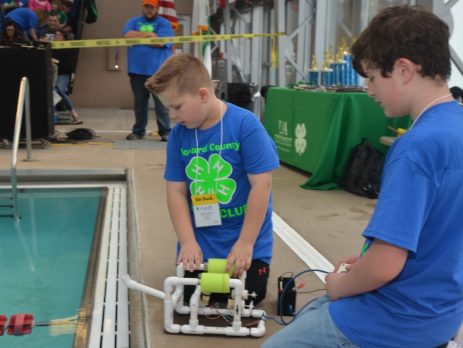
two 4-Hers with their machine at the side of a pool

Building Arkansas’ future workforce through 4-H SeaPerch robotics

Arkansas employers increasingly seek workers with engineering aptitude, mechanical skills, critical thinking ability, teamwork, communication and digital literacy. To help prepare youth for these workforce demands, Arkansas 4-H implemented the SeaPerch underwater robotics program, an experiential STEM initiative that engages students ages nine and older in hands-on engineering, design and problem-solving activities.  Through SeaPerch, youth teams design, build and test [...]

Read more...
Multiple glass containers with orange and red fruit liquids in them sit on a table.

Researchers look to science for healthier, better tasting food and drink

Working to create better tasting and more wholesome foods via science means not only healthier consumers, but also more markets for producers and value-added opportunities for entrepreneurs. At land-grant universities across the country, food scientists work to make sure agricultural commodities and value-added products have the best taste, texture, aroma and appearance possible, without compromising — and sometimes even [...]

Read more...
GLP injector

Medications for type-2 diabetes, weight loss also impact food preferences

As the popularity of medications such as Ozempic and Wegovy (glucagon-like peptide-1 receptor agonists or GLP-1s) rises, questions have emerged about how these drugs affect food preferences and consumption. While earlier research established that GLP-1s suppress appetite and promote weight loss, little was known about their influence on specific food categories and overall dietary behavior. This gap limited the [...]

Read more...
an Extension agent shows youths plants from a community garden

Encouraging health and wellness in U.S. youth through hands-on activities, education

One in five school-aged children nationally suffer from obesity, and regular physical activity and balanced diets can lead to improved focus, behavior, self-esteem and academic performance. Encouraging healthy behaviors at an early age fosters a value for physical activity, healthy eating and preventive habits. These healthy behaviors can lead to fewer chronic diseases, resulting in lower health care costs and a [...]

Read more...
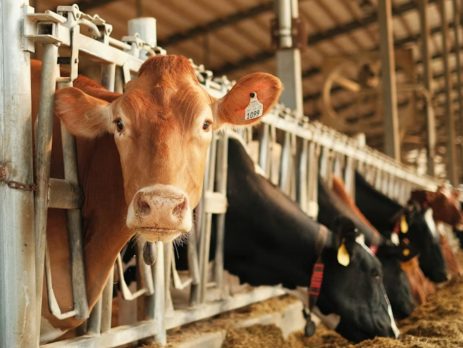
dairy cows in a barn

Supporting meat and dairy industries

Meat and dairy provide critical protein and a wide variety of other products for consumers and represent economically important industries across the country, not just for producers, but also for processors, groceries and restaurants. Research and Extension professionals at land-grant institutions support livestock and related industries in many ways through education on economically efficient production practices and research on [...]

Read more...
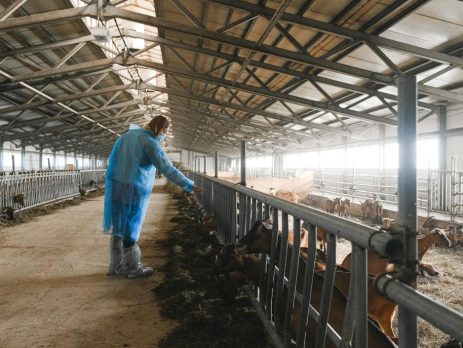
a person wearing PPE examines goats in a barn

Safeguarding farms through improved biosecurity

The University of Arkansas Cooperative Extension Service has been stepping up producer education in biosecurity and agroterrorism, and pest and disease surveillance and control, to safeguard the state’s agriculture and economy. Representatives from more than 100 counties and different agricultural sectors have participated in new agro- and bioterrorism training to increase awareness and expertise related to emerging risks in [...]

Read more...

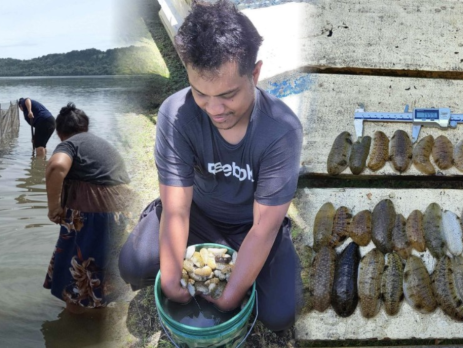
Making aquaculture more productive, safe and economical

The seafood industry is economically vital and provides an important source of protein for the world. Challenges to aquaculture include inefficient production methods, expensive feed inputs and food safety. Land-grant efforts are protecting and promoting this booming industry. Here are a few examples of that work: As feed is the most expensive cost of aquaculture, researchers in Alabama are developing feeds [...]

Read more...
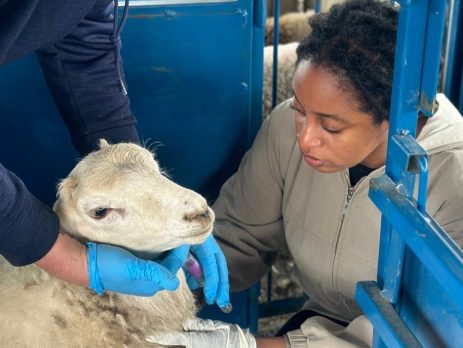
a vet giving a sheep a vaccine

Enhancing food safety with research and training

The United States food supply is among the safest in the world, but every day news stories report food recalls for a variety of safety reasons. Food safety must be maintained through every step of the production process, and land-grant institutions are the key to research and training that helps the food industry provide safe, healthy food. Here are a [...]

Read more...
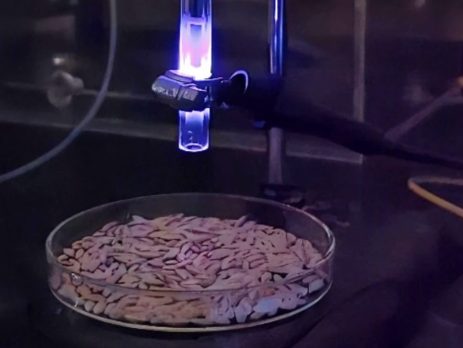
A glass tube with a glowing blue ejects plasma downward to a dish of rice seeds.

Cold plasma-treated rice seeds inhibit fall armyworm, improve early crop vigor

Fall armyworm, a major crop pest particularly damaging in rice, often requires repeated insecticide applications for control. Plasma — the same electrically charged matter responsible for the northern lights — may offer a new way to support crop growth and reduce damage from this major pest, according to Arkansas Agricultural Experiment Station researchers.   Scientists exposed rice seeds to atmospheric cold [...]

Read more...
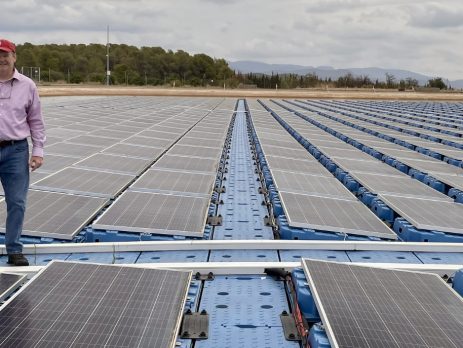
Mike Popp stands on a floating solar array with trees and mountains in the background.

Promoting research-based solar development

With the growth and expansion of solar energy production, producers and consumers in rural areas frequently express concern over whether solar development may compete with farmland availability or affect property values and local economies. For example, solar growth in Arkansas included 1,100 megawatts added in 2024, prompting questions about its impact on agricultural land use.  To address these concerns, a [...]

Read more...
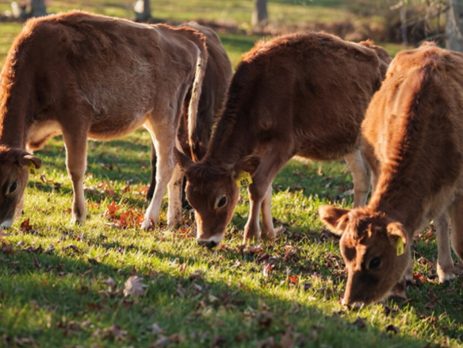
cattle in a field

Tech solutions for livestock management

Livestock producers face challenges such a shrinking labor force, limited veterinary access and rising costs. Artificial intelligence, precision agriculture technologies and genome sequencing have shown promise in improving livestock management, but up-front costs have generally restricted adoption to large-scale dairies. Small farms need economically feasible, effective tools tailored to their specific operations. Here are a few examples of that work: Researchers [...]

Read more...
berries on the vine

New fruit, vegetable cultivars offer new opportunities for growers

Developing or restoring different fruit and vegetable cultivars allow farmers to plant crops based on disease resistance, fertilizer requirements, adaptations to site-specific soil and weather conditions or greater yields. Some cultivars can be a pathway to new market opportunities and new bio-based products. Here are a few examples of that work: Hemp is re-emerging as the basis of a viable industry [...]

Read more...
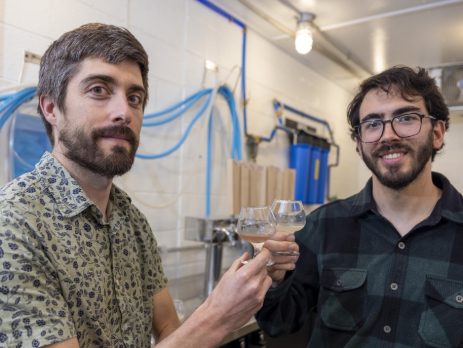
Scott Lafontaine stands with Bernardo Guimaraes in their small-scale beverage development facility

Cheers to gluten-free beer made with malted rice

Arkansas produces more rice than any other U.S. state, including about half of the nation’s long-grain rice. As long-grain rice exports have dropped from 50% in 2010 to 43% in 2024, growers have looked for new domestic markets. Beer shows potential. Brewers who use rice in beer typically rely on milled rice, which requires additional processing steps and costs.  Researchers [...]

Read more...
forest

Examining Arkansas’s growing timber surplus

Maintaining a balance between forest growth and harvests is vital to sustaining a healthy ecosystem. When the growth-to-drain ratio rises too high, forests become vulnerable to wildfires and insect outbreaks. Conversely, if the ratio is low, forests can be overharvested, threatening long-term timber supplies and compromising many of the ecosystem services that forests provide, including carbon storage and wildlife [...]

Read more...
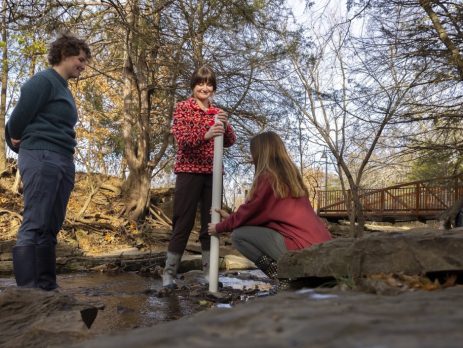
Three women stand in a shallow creekbed. One watches as the other two use a large plastic pipe to collect water samples.

Arkansas researchers study environmental effects of de-icers

Winter road safety depends heavily on salt-based deicers, but there are concerns about how their use is contributing to increased salinity in streams and affecting aquatic ecosystems. Beet brine, which is made from a mixture of salt and beet molasses, has emerged as a potential alternative because it reduces overall salt application. But unlike traditional road salt, beet brine [...]

Read more...
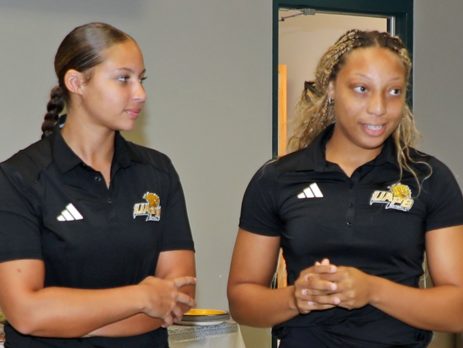
two UAPB athletes speaking at a meeting

Land-grant universities educate individuals and communities about health, nutrition and chronic disease prevention

Many American individuals and communities struggle with building or maintaining healthy lifestyles that contribute to better health outcomes. A lack of awareness of health information and resource constraints limit people’s abilities to eat healthy foods or get enough physical activity. Extension leaders from 1890 land-grant universities are bringing information to communities struggling with high rates of obesity and chronic [...]

Read more...
Tahirah Johnson examines testing samples under a magnifying glass in a research lab on the University of Maryland Campus in 2024.

Innovative methods for safer, healthier food production practices

Regional food production is critical to local economies and supporting American food systems. Rising reports of foodborne illnesses, increased antibiotic resistance and newer production systems like soilless agriculture necessitate a better understanding of the risks and options to improve the safety and health value of food products from produce to shellfish and tree nuts. 1890 land-grant universities are examining [...]

Read more...
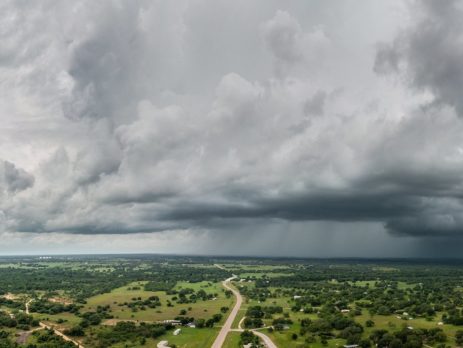
storm over farmland

Preparing for extreme weather

Extreme weather can affect communities, farms, businesses and livelihoods. These weather events, such as drought, wildfires and flooding can pose harm to people, livestock, plants and water quality. As extreme weather becomes more frequent and more intense, land-grant universities are equipping farmers, ranchers and communities with the proper tools to be prepared for and recover from its impacts. Here are [...]

Read more...
Fort Valley State University scientist harvesting a ripe peach on the campus research plot.

Addressing food insecurity to drive community impact

Food security is fundamental to the health, resilience and economic vitality of rural and urban communities. Across the United States,1890 Land‑grant Universities are uniquely positioned to meet this critical need by advancing research, education and Extension programs that connect communities to practical solutions and sustainable food system innovations. Here are a few examples of that work: When food insecurity hits, older [...]

Read more...
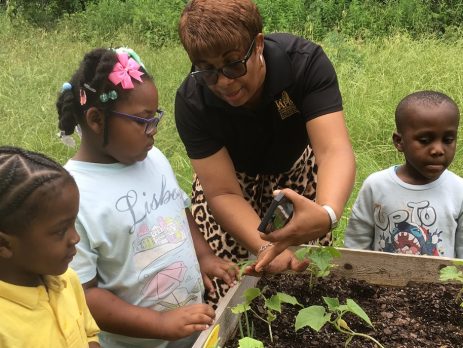
preschoolers look at plants in a raised bed

Strengthening youth development through experiential learning

Experiential learning equips young people with hands-on skills, critical thinking abilities and real-world problem-solving experiences that strengthen academic success, workforce readiness and lifelong learning. Through community-based programs, 1890 land-grant universities play a vital role in ensuing opportunities by connecting research, Extension, and education to support youth and prepare the next generation of leaders. Here are a few examples of that [...]

Read more...