Tag - Emergency/Disaster Preparedness/Management/Recovery

Topic

young child walking in strawberry patch

Land-grant university research and Extension support resilience for youths, families and communities nationwide

Here are a few examples of that work:  The effectiveness of the Department of Defense’s Military Family Readiness System depends on well-trained Extension professionals with research-based tools and resources. Extension specialists in Kentucky contributed by providing personal finance training to military service providers so they can pass on knowledge, tools and resources that help military families prevent and navigate financial [...]

Read more...
Healthy foods and exercise equipment.

Land-grant university research and Extension strengthen nutrition, health and well-being

Chronic diseases are the leading cause of illness, disability and death in America. Research and Extension are fighting back. Over half of adults who participated in a Texas diabetes education program now choose healthier foods, monitor glucose levels during exercise, and control their diabetes to avoid interference with daily life. These changes could help participants save up to $94,021 in [...]

Read more...
Vegetables for sale at a farmers market stand.

Research and Extension ensure everyone has ample access to affordable, safe, nutritious food

Invasive pests damage crops, costing U.S. agriculture an estimated $30 billion every year. Pest management research and Extension stabilize the food supply chain. Researchers and Extension specialists in Oregon, developed cost-effective alternatives to glyphosate for herbicide-resistant Russian thistle control, protecting more than 30,000 acres of wheat and preventing over $1 million in yield losses so far.Oregon State University Extension Service. [...]

Read more...
A river bisects a field and forested riparian area

Research and Extension support resilient ecosystems

Recent studies and programs are conserving and protecting water used for drinking, fishing, irrigation and recreation.  Washington research helped establish 25 anaerobic digesters across the Pacific Northwest, turning dairy manure from more than 143,000 cows into biogas that provides more than 126 million kilowatt-hours of renewable energy per year. Digesters decrease water quality risks associated with nutrient runoff from manure [...]

Read more...
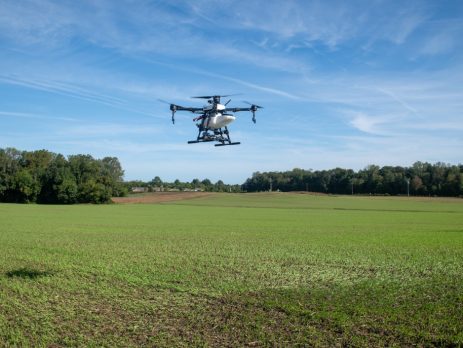
A drone flies over a field.

Research and Extension make agricultural systems more efficient, profitable, competitive and resilient

Strategies and tools for managing crop pests and diseases have increased productivity and profitability. For example: Extension units across the nation offer plant and pest diagnostic clinics. In New Mexico, free diagnoses saved producers an estimated $36,000 in testing fees in 2025, while also supporting biosecurity and export compliance. In Indiana, lab results and recommendations saved clients $890,000 in reduced [...]

Read more...
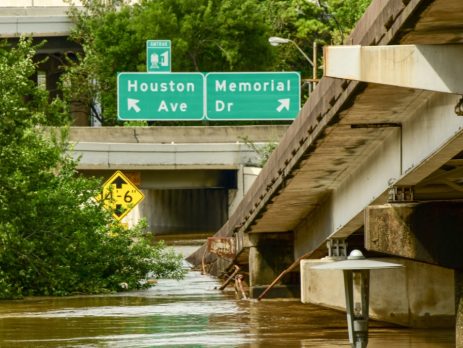
Buffalo Bayou Park Houston, flooded after Hurricane Beryl

Texas A&M AgriLife Extension provides disaster relief and recovery

In 2025, the state of Texas experienced 31 severe weather events, including drought, floods and major fires. The Texas State Emergency Operations Center activated 21 times in 2025 for a total of 94 days. Texas A&M AgriLife Extension Disaster Assessment and Recovery (DAR) is an educational network that focuses on preparing for, mitigating and responding to disasters. The DAR [...]

Read more...
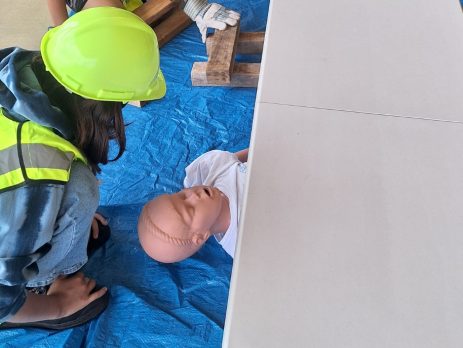
Five young people wearing neon green hard hats and safety vests participate in a hands-on training exercise. Two individuals kneel on a blue tarp, practicing emergency response techniques on a medical manikin, while others observe and take notes around a white folding table.

Hawaii teens prepare to respond to disasters

As an island state more than 2,000 miles from its closest neighbor, Hawaii is vulnerable to natural disasters — tsunamis, hurricanes, flash flooding, wildfires and earthquakes. The catastrophic wildfire that destroyed Lahaina, Maui, in 2023 left the community with a profound sense of loss of control and uncertainty about the future.   To equip youth to save lives and property and [...]

Read more...
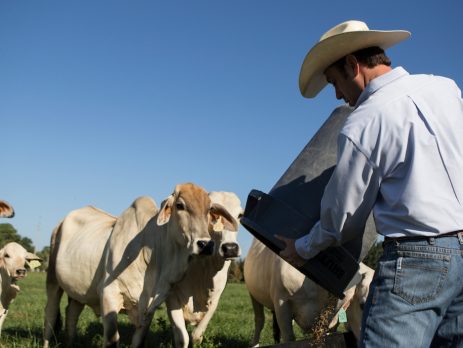
Farmer spreading feed for cattle

Confronting farm stress through research, Extension

Across the Land-grant University System, outreach and research-based work are critical to strengthening the health, safety and well-being of agricultural communities. By pairing scientific evidence with trusted Extension networks, land-grant universities address urgent challenges while improving quality of life nationwide. Here are a few examples of that work: Researchers in Pennsylvania held discussion groups with 68 farm women in Ohio, Vermont [...]

Read more...
a group of youth at a training

Building West Virginia’s future fire service workforce through youth engagement

Volunteer fire departments across West Virginia face ongoing recruitment and retention challenges threatening emergency response capacity, particularly in rural and economically distressed communities. Aging volunteer memberships, increased training requirements and limited early exposure to fire service careers have weakened the traditional pipeline of new volunteers.  To address this workforce gap, the West Virginia University Extension State Fire Training Academy operated [...]

Read more...
a stressed farmer looking at a phone

Building healthier communities through land-grant mental health programs

Communities across the United States are affected by mental health challenges. The Land-grant University System is addressing those challenges through programs that provide practical skills training, supportive environments and pathways to healthier, more resilient lives. Here are a few examples of that work: In Oregon, Extension professionals launched the AgriStress Helpline in 2023, providing 24/7 call and text support from suicide-preventionists [...]

Read more...
Wellness on Wheels truck

Empowering community resilience

Community resilience support is a critical function of the land-grant system because it equips individuals, families and local organizations with the knowledge, tools and partnerships needed to adapt to economic, environmental and public health challenges. Through research-based education and Extension outreach, land-grant universities strengthen local capacity, promote equity and help communities not only recover from disruption but build long-term [...]

Read more...
a senior couple holds hands and looks at their land

Reducing farm stress

Farm stress management addresses the unique mental, emotional and financial pressures that agricultural producers face, helping them build resilience as they confront unpredictable weather, volatile markets and demanding workloads. Supporting farmers’ well‑being is critical not only for their personal health but also for the stability and sustainability of our food systems and rural communities. Extension plays an essential role [...]

Read more...
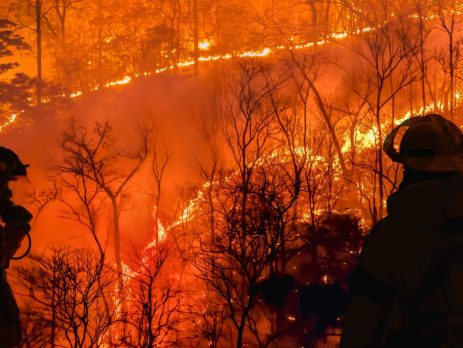
wildland firefighters

Protective clothing for wildland firefighters

Wildland firefighters face escalating health risks as fire seasons lengthen and fires become more intense. Their work demands long shifts involving strenuous physical labor — hiking, digging, carrying heavy packs and operating equipment — with exposure to extreme heat, dense smoke, humidity, high altitude and rough terrain. These conditions heighten the risk of heat stress, respiratory issues, dehydration, musculoskeletal [...]

Read more...
screwworm fly

The U.S. prepares for a potential screwworm outbreak

As a New World Screwworm (NWS) outbreak spreads from Central America to Mexico, states in the Southwest are ramping up efforts to raise awareness among livestock producers of the current status, management methods and the impacts this devastating pest may have on livestock in the event of a U.S. outbreak.  Numerous presentations have been offered in-person and online in Oklahoma [...]

Read more...
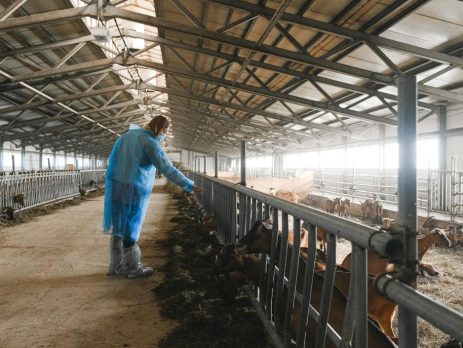
a person wearing PPE examines goats in a barn

Safeguarding farms through improved biosecurity

The University of Arkansas Cooperative Extension Service has been stepping up producer education in biosecurity and agroterrorism, and pest and disease surveillance and control, to safeguard the state’s agriculture and economy. Representatives from more than 100 counties and different agricultural sectors have participated in new agro- and bioterrorism training to increase awareness and expertise related to emerging risks in [...]

Read more...
a chicken being held about to receive a swab test

Producers learn to manage for bird flu during outbreak

Highly pathogenic avian influenza, also known as bird flu, plagues the U.S. poultry industry. In addition to poultry impacts, the dairy industry experienced a spillover event and a one-time occurrence was identified in pigs.  Because of the changing nature of the outbreaks, Purdue Extension in Indiana worked with other state agencies to provide up-to-date information to animal producers, Extension educators [...]

Read more...
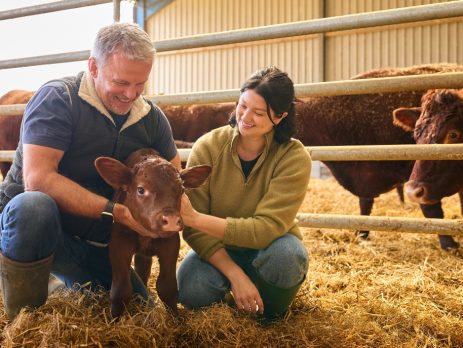
a farmer couple smile at a calf

Supporting producer safety, health and well-being

The U.S. Centers for Disease Control suggests that agriculture is one of the most dangerous businesses in the United States. An estimated 160 agricultural workers are injured every day, resulting in more than 58,000 injuries a year. According to a 2019 USDA report, approximately 19% of farmers have a disability. Land-grant universities are providing training to reduce injuries, support behavioral health and enable [...]

Read more...
farmers watch a demonstration at a field day

Hands-on learning through trials and demonstrations

Lack of awareness and understanding of the latest research and technologies can impact profitability on small farms. Land-grant universities provide hands-on learning opportunities where producers can learn from one another, see real-time demonstrations and learn about the latest research trials to support decision-making. Here are a few examples of that work: Turmeric, a tropical plant that thrives in Guam, has been [...]

Read more...
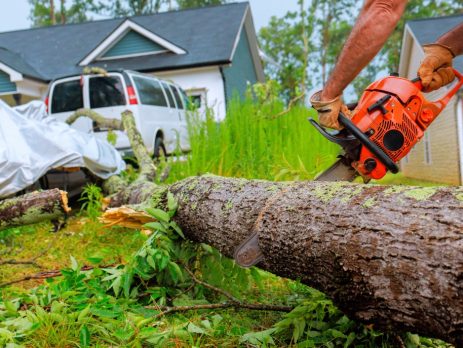
Worker cuts down fallen tree with chainsaw in suburban neighborhood after storm

Disaster response and recovery: partnering in times of local community need

As threats from wildfire and extreme weather increase, producers and communities need information to help prepare and resources to support recovery once impacted. Land-grant universities are responding with tools, resources, communications and staffing support that will strengthen resilience and long-term recovery. Here are a few examples of that work: In response to impacts from Hurricane Helene, Extension in Georgia mobilized to [...]

Read more...
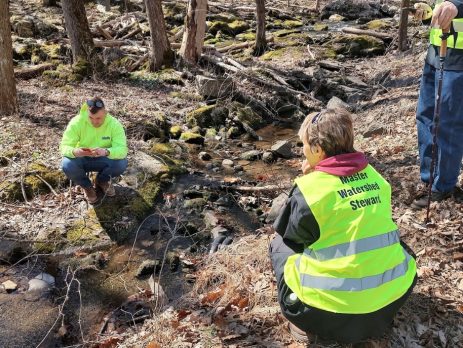
Master Watershed Stewards examine a creek

Land-grant universities help communities tackle stormwater challenges

Across the country, communities face challenges in managing runoff after rainfall. When not properly managed, stormwater can cause flooding, erode land and transport contaminants and debris into waterbodies. Land-grant universities are helping residents, businesses and local governments find solutions — from installing rain gardens to changing the way ditches are drained — while raising public awareness of stormwater issues [...]

Read more...
A wildfire at Prime Hook National Wildlife Refuge in Delaware.

Utah researchers investigate connection between wildfires, floods

Many people might assume that streams and reservoirs aren’t affected by wildfires. But uncontrolled blazes can threaten these water sources, which are essential for agriculture, wildlife and families.  When vegetation is lost during a fire, exposed soil becomes highly vulnerable to erosion. Subsequent storms can then wash sediment, woody debris and excess runoff into nearby waterways, altering water flow and [...]

Read more...
forest

Examining Arkansas’s growing timber surplus

Maintaining a balance between forest growth and harvests is vital to sustaining a healthy ecosystem. When the growth-to-drain ratio rises too high, forests become vulnerable to wildfires and insect outbreaks. Conversely, if the ratio is low, forests can be overharvested, threatening long-term timber supplies and compromising many of the ecosystem services that forests provide, including carbon storage and wildlife [...]

Read more...
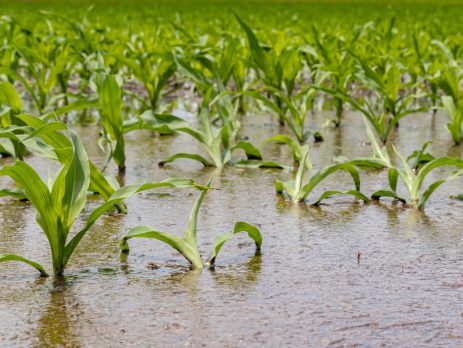
flooded cornfields

Building resilience through disaster preparedness in Connecticut

Extreme weather events such as flooding, hurricanes, drought and hail are increasing in Connecticut. This threatens safety, livelihoods and local economies for farms, families and municipalities. Many local residents don’t have access to coordinated, research-based guidance.  University of Connecticut Extension uses the Extension Disaster Education Network (EDEN) to deliver research-based disaster preparedness education around the state. Educators identify preparedness gaps [...]

Read more...
two UAPB athletes speaking at a meeting

Land-grant universities educate individuals and communities about health, nutrition and chronic disease prevention

Many American individuals and communities struggle with building or maintaining healthy lifestyles that contribute to better health outcomes. A lack of awareness of health information and resource constraints limit people’s abilities to eat healthy foods or get enough physical activity. Extension leaders from 1890 land-grant universities are bringing information to communities struggling with high rates of obesity and chronic [...]

Read more...
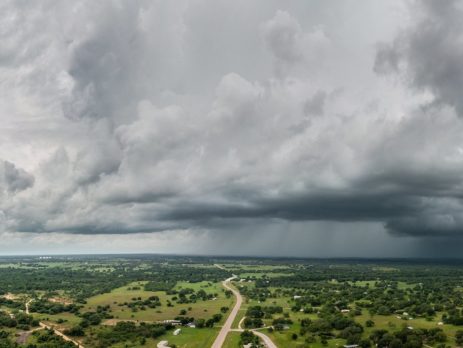
storm over farmland

Preparing for extreme weather

Extreme weather can affect communities, farms, businesses and livelihoods. These weather events, such as drought, wildfires and flooding can pose harm to people, livestock, plants and water quality. As extreme weather becomes more frequent and more intense, land-grant universities are equipping farmers, ranchers and communities with the proper tools to be prepared for and recover from its impacts. Here are [...]

Read more...