Tag - The University of Georgia

Institution

young child walking in strawberry patch

Land-grant university research and Extension support resilience for youths, families and communities nationwide

Here are a few examples of that work:  The effectiveness of the Department of Defense’s Military Family Readiness System depends on well-trained Extension professionals with research-based tools and resources. Extension specialists in Kentucky contributed by providing personal finance training to military service providers so they can pass on knowledge, tools and resources that help military families prevent and navigate financial [...]

Read more...
Healthy foods and exercise equipment.

Land-grant university research and Extension strengthen nutrition, health and well-being

Chronic diseases are the leading cause of illness, disability and death in America. Research and Extension are fighting back. Over half of adults who participated in a Texas diabetes education program now choose healthier foods, monitor glucose levels during exercise, and control their diabetes to avoid interference with daily life. These changes could help participants save up to $94,021 in [...]

Read more...
Vegetables for sale at a farmers market stand.

Research and Extension ensure everyone has ample access to affordable, safe, nutritious food

Invasive pests damage crops, costing U.S. agriculture an estimated $30 billion every year. Pest management research and Extension stabilize the food supply chain. Researchers and Extension specialists in Oregon, developed cost-effective alternatives to glyphosate for herbicide-resistant Russian thistle control, protecting more than 30,000 acres of wheat and preventing over $1 million in yield losses so far.Oregon State University Extension Service. [...]

Read more...
A river bisects a field and forested riparian area

Research and Extension support resilient ecosystems

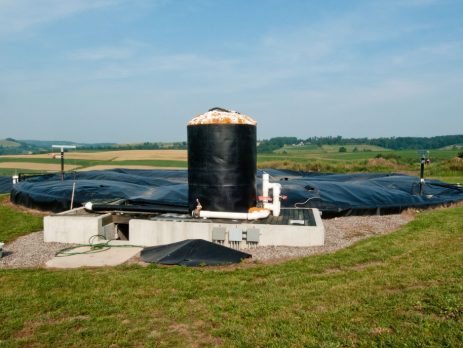
Recent studies and programs are conserving and protecting water used for drinking, fishing, irrigation and recreation.  Washington research helped establish 25 anaerobic digesters across the Pacific Northwest, turning dairy manure from more than 143,000 cows into biogas that provides more than 126 million kilowatt-hours of renewable energy per year. Digesters decrease water quality risks associated with nutrient runoff from manure [...]

Read more...

Land-grant university research and Extension drive new biofuels, bioplastics, biochar and other bio-based products, strengthening rural economies, environmental health and energy security

Here are a few examples of that work:  Partnering with a private company, scientists in Pennsylvania roduced and tested biomaterials to replace single-use, petroleum-based plastics. New composites made from cellulose and starch have improved stability and barrier properties and have been developed into compostable food packaging and handling products; adhesives and foams for packaging, wood composites and construction materials; and [...]

Read more...
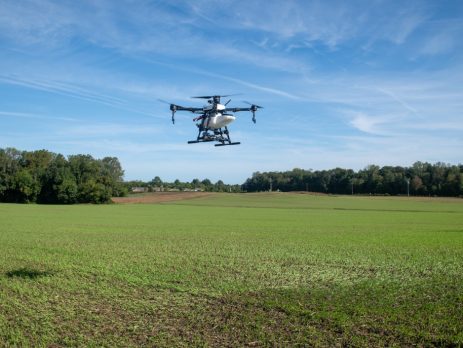
A drone flies over a field.

Research and Extension make agricultural systems more efficient, profitable, competitive and resilient

Strategies and tools for managing crop pests and diseases have increased productivity and profitability. For example: Extension units across the nation offer plant and pest diagnostic clinics. In New Mexico, free diagnoses saved producers an estimated $36,000 in testing fees in 2025, while also supporting biosecurity and export compliance. In Indiana, lab results and recommendations saved clients $890,000 in reduced [...]

Read more...
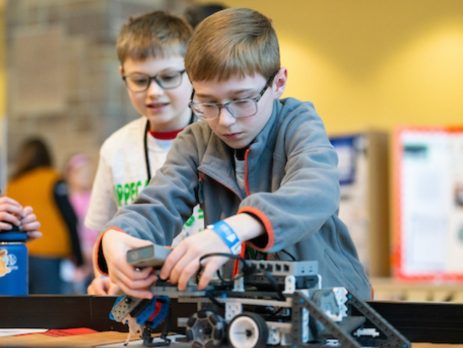
a 4-H student operates a robot

Engaging students in STEM, robotics

Exposing youth to innovative technology builds digital literacy, problem-solving skills and career readiness, preparing the next generation to compete in a rapidly evolving, technology-driven workforce. Together, youth-focused technology education and land-grant leadership create a pipeline of skilled leaders who can drive economic growth and address complex local and global challenges. Here are a few examples of that work: South Dakota middle [...]

Read more...
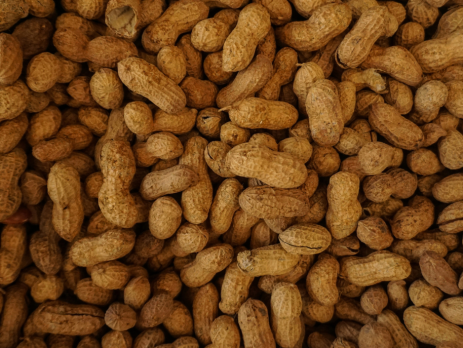
peanuts

Wild peanut varieties source of disease resistance

Cultivated peanuts are plagued by diseases and pests, which make them expensive to grow as use of chemical controls account for more than 30% of the cost of production. Peanuts have little genetic variety, so there is a small pool of resistance genes to combat sickness in this plant.  Wild peanut species, on the other hand, have strong resistances to [...]

Read more...

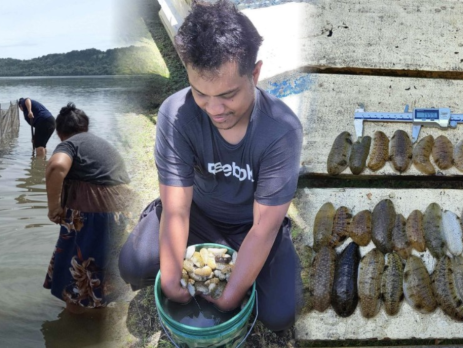
Making aquaculture more productive, safe and economical

The seafood industry is economically vital and provides an important source of protein for the world. Challenges to aquaculture include inefficient production methods, expensive feed inputs and food safety. Land-grant efforts are protecting and promoting this booming industry. Here are a few examples of that work: As feed is the most expensive cost of aquaculture, researchers in Alabama are developing feeds [...]

Read more...
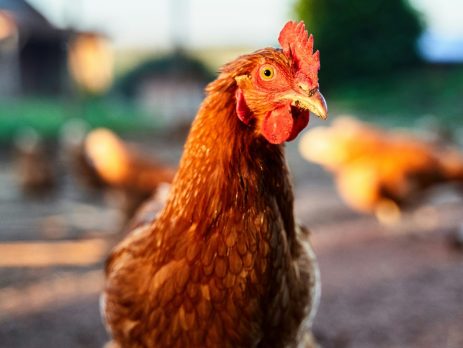
chicken

Artificial intelligence helps protect from Avian influenza

In the fight against the costly impacts of avian influenza, protecting poultry flocks from contact with wild birds is an important deterrent. However, the methods for effectively controlling wild birds are limited. In Georgia, researchers developed a novel method for detecting wild birds on farms, using night vision technology and artificial intelligence.  To aid in monitoring wild bird activities near [...]

Read more...
A smiling woman in a green shirt and maroon cap crouches in a sunny field, harvesting a head of deep red leaf lettuce. She is working in a well-tended garden plot with irrigation lines, representing local agricultural impact and food production

Strengthening the agricultural workforce for the future

The workforce is changing. Across industries and states, trained workers are in demand to support local food systems, meet community needs, ensure safety and increase productivity. Land-grant universities are rising to the challenge of meeting these needs through partnerships, trainings, certifications and hands-on learning opportunities that strengthen the agricultural workforce. Here are a few examples of that work: Health and safety [...]

Read more...
berries on the vine

New fruit, vegetable cultivars offer new opportunities for growers

Developing or restoring different fruit and vegetable cultivars allow farmers to plant crops based on disease resistance, fertilizer requirements, adaptations to site-specific soil and weather conditions or greater yields. Some cultivars can be a pathway to new market opportunities and new bio-based products. Here are a few examples of that work: Hemp is re-emerging as the basis of a viable industry [...]

Read more...
a diseased plant

Improving crop profitability through disease management

Land-grant university research and Extension programs help producers manage costly plant diseases through early detection, risk assessment and science-based tools. By integrating applied research, diagnostics and education, growers protect yields, reduce unnecessary pesticide use, improve return on investment and strengthen long-term agricultural resilience across variable production systems. Here are a few examples of that work: South Dakota State Extension plant pathology [...]

Read more...
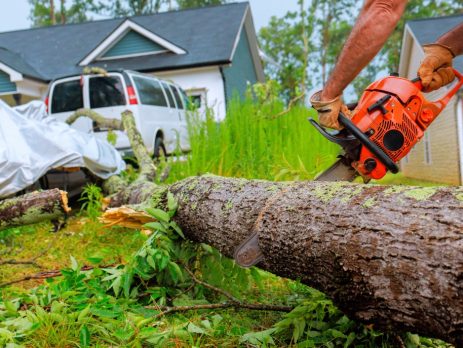
Worker cuts down fallen tree with chainsaw in suburban neighborhood after storm

Disaster response and recovery: partnering in times of local community need

As threats from wildfire and extreme weather increase, producers and communities need information to help prepare and resources to support recovery once impacted. Land-grant universities are responding with tools, resources, communications and staffing support that will strengthen resilience and long-term recovery. Here are a few examples of that work: In response to impacts from Hurricane Helene, Extension in Georgia mobilized to [...]

Read more...
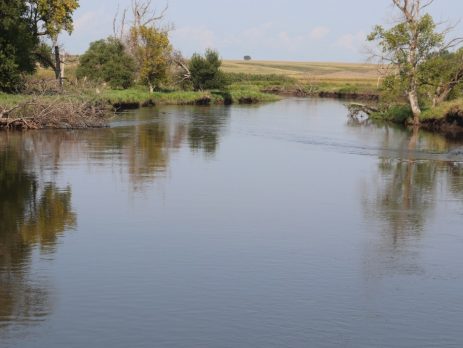
a lake

Strengthening water quality across landscapes

Access to clean, reliable water for communities, ecosystems and agriculture is increasingly threatened by issues such as nutrient pollution and emerging contaminants. Land‑grant universities are addressing these challenges through innovative research and hands‑on Extension programming that empowers volunteers, land managers and future water‑quality stewards. Here are a few examples of that work: Researchers in Montana found evidence that wetland conservation can [...]

Read more...
chickens around a feeder

Mitigating costly poultry diseases

Avian diseases pose a major challenge to the nation’s $77 billion poultry industry and drastically increase the cost of poultry products for consumers. Avian diseases can also pose a health threat to other animals and humans. At the same time, there is a demand to produce poultry without antibiotics or other drugs commonly used to fight diseases. Working together, [...]

Read more...
researcher Pam Roberts standing in experimental tomato crops

Multistate project studies solutions to bacterial spot in tomatoes, peppers

Tomatoes are big business for Florida farmers, contributing $500 million annually. Bell and chili peppers are also popular crops among consumers with production value of more than $536 million. However, bacterial spot is a threat to yields and harvest revenue.  University of Florida researchers are working to solve this major issue along with scientists at the University of Georgia, North [...]

Read more...
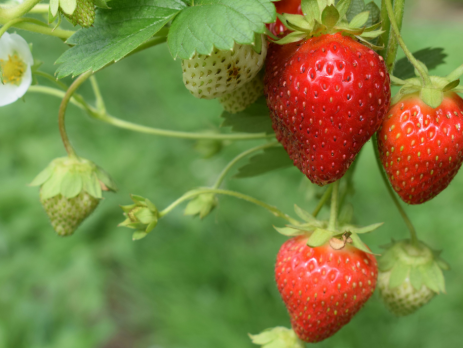
a strawberry plant

Extension helps strawberry farmers in Georgia and South Carolina save their growing season

Strawberries grown in Georgia bring in more than $15 million in sales annually, but the true value of growing strawberries is in agritourism — farms that open their doors to families to come pick fruit and enjoy a taste of farm life. For the past four years, the strawberry business in Georgia has been hindered by a new, highly [...]

Read more...
kids swimming in a natural body of water

Strengthening families through engaging programs

Research and Cooperative Extension professionals in the Land-grant University System are dedicated to developing innovative programs that impact diverse communities nationwide. This work helps improve the lives of youths and families by connecting them with educational resources and engaging opportunities. Here are a few examples of that work: In Oklahoma, the Co-Parenting for Resilience program is helping parents effectively cope with [...]

Read more...
photo of plates of healthy foods, including pita, veggies, salmon, chicken, and avocado toast

Improving gut health advances healthful outcomes

Probiotic bacteria have sparked considerable interest in both the food industry and among consumers, thanks to their potential to contribute to disease interventions and enhance human health. These microorganisms must navigate the challenging terrain of the gastrointestinal (GI) tract to exert their beneficial effects. Land-grant universities are discovering and sharing ways to improve probiotic absorption and gut health to [...]

Read more...
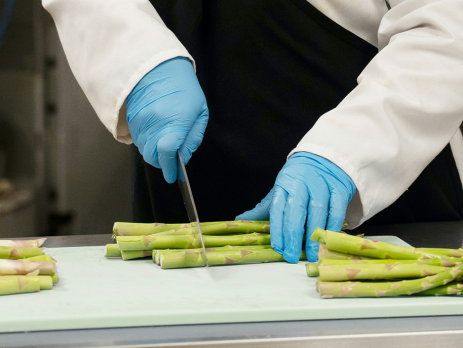
closeup photo of hands chopping asparagus on a cutting board, in an industrial looking kitchen

Training the next generation of culinary professionals

The food industry can be a path to economic stability. But to ensure public health, workers must know about foodborne illness, how to prevent it and how to train other employees. Trained individuals can also explore nontraditional culinary paths, which can have benefits for the home and family. Here are a few examples how land-grant institutions are contributing: Michigan Extension trains [...]

Read more...
volunteers give donated goods to citizens

Extension mobilizes after tornadoes

On January 12, 2023, at least four tornadoes touched down in Spalding County, Georgia, including an EF3 tornado that tore through the center of downtown Griffin. More than 2,200 homes and businesses were damaged or destroyed across the county. University of Georgia Spalding County Extension staff established a call center that organized relief efforts, connecting residents with relief organizations, [...]

Read more...
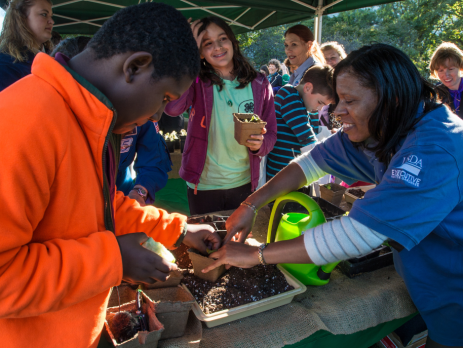
4-H fair, agent samples planting for a group of students

4-H buddies help special needs youth experience camp

Camping programs are among the hallmark experiences in 4-H that many young people look forward to every year. But some 4-H participants with special needs, such as disabilities and medical concerns, are unable to participate. In Columbia County, Georgia, a 4-H volunteer approached Extension staff with the idea of hosting an inclusive mini camp. Three two-day programs were held that [...]

Read more...
fire truck

Georgia 4-H-ers get trained on how to help during natural disasters

In the past five years, Gordon County, Georgia, has dealt with its fair share of natural disasters. Tornadoes, winter weather, hurricanes, flooding and severe thunderstorms have all affected the county. In coping with these challenges, 4-H leaders with University of Georgia Extension realized an opportunity to train youth to be helpers when their community might need them during future [...]

Read more...
a woman looking at a laptop in her home

Virtual programs support healthy lifestyles

Programs that support healthy lifestyles, including nutrition, physical activity and mental health, provide critical education, support and resources for many residents. COVID-19 forced programs online and the Land-grant University System continues offering online options to positively impact residents and support their healthy lifestyles. Virtual programs offer greater flexibility for participants, allowing more to engage in and benefit from the [...]

Read more...