Tag - Nevada

State/Territory

Vegetables for sale at a farmers market stand.

Research and Extension ensure everyone has ample access to affordable, safe, nutritious food

Invasive pests damage crops, costing U.S. agriculture an estimated $30 billion every year. Pest management research and Extension stabilize the food supply chain. Researchers and Extension specialists in Oregon, developed cost-effective alternatives to glyphosate for herbicide-resistant Russian thistle control, protecting more than 30,000 acres of wheat and preventing over $1 million in yield losses so far.Oregon State University Extension Service. [...]

Read more...
A river bisects a field and forested riparian area

Research and Extension support resilient ecosystems

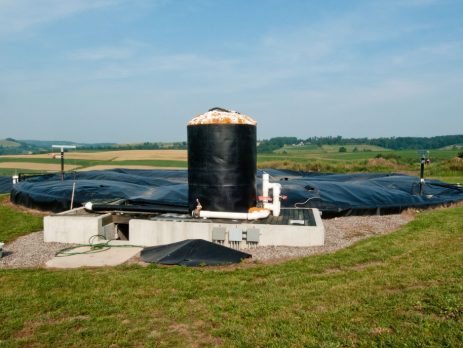
Recent studies and programs are conserving and protecting water used for drinking, fishing, irrigation and recreation.  Washington research helped establish 25 anaerobic digesters across the Pacific Northwest, turning dairy manure from more than 143,000 cows into biogas that provides more than 126 million kilowatt-hours of renewable energy per year. Digesters decrease water quality risks associated with nutrient runoff from manure [...]

Read more...

Land-grant university research and Extension drive new biofuels, bioplastics, biochar and other bio-based products, strengthening rural economies, environmental health and energy security

Here are a few examples of that work:  Partnering with a private company, scientists in Pennsylvania roduced and tested biomaterials to replace single-use, petroleum-based plastics. New composites made from cellulose and starch have improved stability and barrier properties and have been developed into compostable food packaging and handling products; adhesives and foams for packaging, wood composites and construction materials; and [...]

Read more...
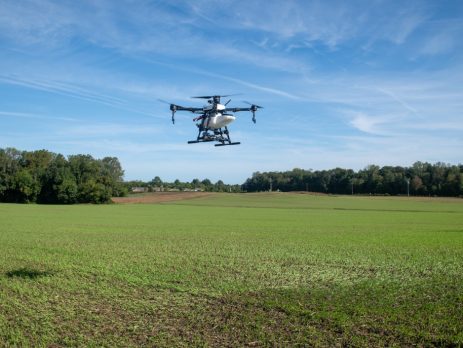
A drone flies over a field.

Research and Extension make agricultural systems more efficient, profitable, competitive and resilient

Strategies and tools for managing crop pests and diseases have increased productivity and profitability. For example: Extension units across the nation offer plant and pest diagnostic clinics. In New Mexico, free diagnoses saved producers an estimated $36,000 in testing fees in 2025, while also supporting biosecurity and export compliance. In Indiana, lab results and recommendations saved clients $890,000 in reduced [...]

Read more...
Individuals sitting around a table in a room.

Extension strengthens Nevada’s early childhood workforce

Nevada’s early childhood workforce faces ongoing challenges, including high turnover, limited affordable professional development and the need for consistent, evidence‑based practices. High‑quality early learning relies on well‑prepared educators and leaders who feel supported and confident.  University of Nevada, Reno Extension early childhood programming addresses these challenges by providing accessible training pathways, leadership development and nationally recognized credentials. By supporting educators [...]

Read more...
a family in silhouette, holding hands

Extension programs strengthen families through health, parenting initiatives

Healthy and resilient communities are built by supporting families and youths through reliable childcare, mobile health services and strong, healthy relationships. Extension-led efforts strengthen well-being by building life and parenting skills and fostering environments where individuals and families can thrive. Here are a few examples of that work: In 2025, Ohio Extension educators launched a maternal health program to support mothers [...]

Read more...
Lead author and Ph.D. candidate Matt Bolino (left), working under the mentorship of microbiologist Steven Frese (standing), led the lab experiments comparing how the structural differences between lab-made whey protein and the kind that comes from cows affect gut microbes.

Nevada researchers find key differences between lab-made and natural milk proteins

Researchers at the University of Nevada, Reno investigated whether lab-made (yeast-derived) milk proteins are truly equivalent to those naturally found in cow’s milk. Although marketed as identical, these alternative proteins differ in meaningful biochemical ways that may influence digestion, immunity and gut microbiome health. The researchers conducted a three-part study, including a protein composition analysis, a sugar molecule comparison [...]

Read more...
sorghum varieties

Research and development of water-resilient sorghum expands rural economic opportunities in the West

In water-limited agricultural landscapes of the West, sustaining food crops for beef and dairy has become increasingly challenging. Traditional feed crops such as maize and alfalfa require large amounts of water, threatening herds and pushing researchers to explore more resilient alternatives.  As a result, scientists with the Nevada Agricultural Experiment Station are combining genetic improvements and precision agriculture to improve [...]

Read more...
A researcher injects a tick embryo under the microscope.

International collaboration to attack the cattle fever tick

Building on previous success developing genetic tools to combat deer ticks, researchers in Nevada are partnering with those in Uruguay to genetically modify cattle tick genes.  Cattle fever ticks were largely eradicated in the United States but sporadically show up in outbreaks tied to cross-border movement. Current control methods rely heavily on chemical pesticides, which can harm humans, pass into [...]

Read more...
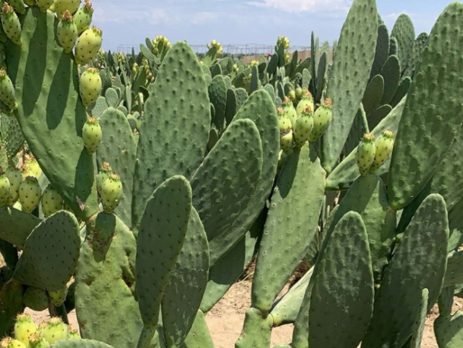
cacti

Developing sustainable domestic biofuels

Land‑grant universities are developing sustainable bioproduct solutions that transform renewable biomass, including food and agricultural wastes, into valuable materials. These bioproducts strengthen national energy and food security, lower greenhouse gas emissions and support rural economies. They also create new markets, provide farmers with additional income opportunities and help to reduce dependence on fossil fuels. Here are a few examples of [...]

Read more...
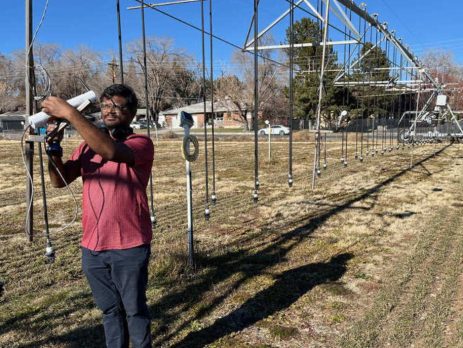
a researcher examines equipment for irrigation measurement

Informed decisions to optimize water use and irrigation investments

Harsh weather conditions and limited water access are driving research and technology innovation that will help farmers and producers make informed decisions about irrigation investments and how to optimize water use efficiency.   In Nevada, water is so limited that inefficient use of irrigation water can reduce crop yields and threaten a farm’s financial viability. Traditional irrigation systems assume uniform field [...]

Read more...
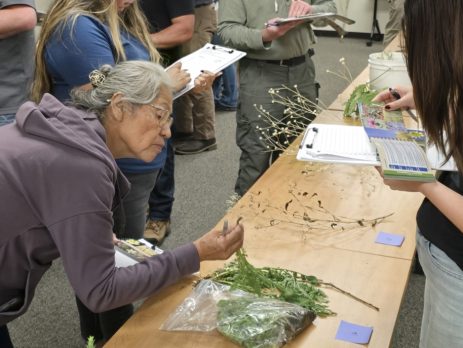
Weed Warriors participants practice their weed identification skills.

Integrated Pest Management practices protect Nevada waterways

Encouraging people to adopt Integrated Pest Management (IPM) strategies can lower the risk of pesticide residues that harm water quality.  The University of Nevada, Reno Extension hosted educational activities in 2025 focused on Integrated Pest Management to address the need for cleaner and safer Nevada waterways. These Community IPM Trainings reached Weed Warriors, Master Gardeners and others. Extension partnered with [...]

Read more...
a family preparing a meal

Expanded Food and Nutrition Education Program strengthens families with hands-on education

The Expanded Food and Nutrition Education Program (EFNEP) strengthens families by providing hands-on nutrition education to those with limited resources. Through practical lessons in healthy eating, meal planning, food budgeting and physical activity, EFNEP helps families develop lifelong skills that improve their overall well-being. As families adopt healthier lifestyles, they reduce their risk of chronic diseases and food insecurity. [...]

Read more...
a scientist examining plants in a controlled environment agriculture setting

Advancing sustainable food production in soilless environments

Land-grant universities across the nation are working to make the food supply more secure by exploring the best ways to produce crops without soil. Hydroponic and aquaponic systems have many benefits, including reducing the inputs and space needed to produce food. Researchers are studying how to make the foods grown in these controlled environments safer and better. Extension personnel [...]

Read more...
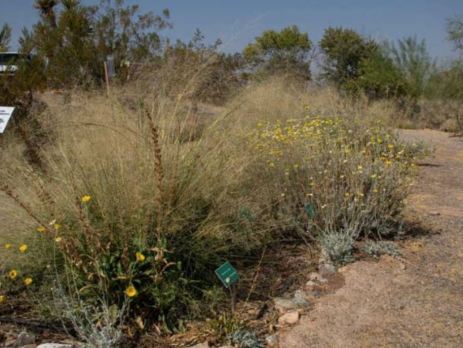
flowering plants growing in the desert

Extension programs help producers, communities manage pests sustainably

Agricultural land and natural ecosystems face growing threats from invasive and noxious grasses and weeds, feral animals, pests and diseases that impair ecosystem services and agricultural productivity. Chemical pesticides can pose human and environmental health risks. Extension educators at land-grant universities help agricultural producers and communities develop and implement pest management strategies that are cost-effective but also minimize risks. Here [...]

Read more...
an adult and teen work on a car

Extension programs drive economic growth and community vitality

Especially in rural areas, business owners, local leaders and others can have trouble finding support, information and resources. Across the nation, Extension programs are helping boost local economies and build vibrant communities. Here are a few examples of that work: In Mississippi, Extension professionals lead a program that educates new small business owners about resources and strategies that can help them [...]

Read more...
a marshy landscape with mountains in the distance

Extension helps Nevada counties gather planning, economic data

When county governments in Nevada apply for grants, want to assess the potential impact of a new industry or respond to federal public land inquiries, they can turn to the Nevada Economic Assessment Project for in-depth, up-to-date data and analysis.  Led by Extension professionals with the University of Nevada, the project collects and maintains baseline information on general demographic, social, economic, [...]

Read more...
honey sale sign at a farmers market

Developing new farmers, new products and new markets to boost agriculture sector

Many communities across the United States are seeing a decline in the agricultural workforce as experienced farmers retire. This issue has been exacerbated by national declines in new and beginning farmers. Land-grant universities are working to recruit and train new farmers, address their challenges and find ways to help them to thrive, including new crops and new marketing opportunities. [...]

Read more...
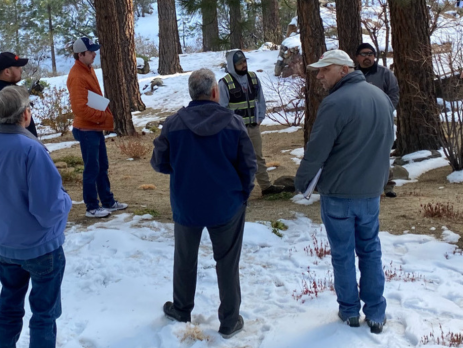
a group of training participants learn about fire safety

Promoting proactive wildfire mitigation

Many of the large wildfires that occur across Nevada each year happen in wildlands that are adjacent to communities, resulting in large-scale evacuations, substantial loss of property, extensive smoke inhalation and significant economic impacts on business and commerce. Wildfire preparedness education and the implementation of fire adapted community concepts can contribute to the long-term health of Nevada’s landscapes and [...]

Read more...
closeup photo of hands in a meditative pose

Innovative approaches to mental well-being

The need to care for our mental well-being is more evident than ever, post-pandemic. More than half of Americans report COVID-19 has negatively impacted their mental health. Extension networks across the country are working to tackle this crisis, often employing new and innovative programming. Here are a few examples of that work: In Michigan, the Mental Health First Aid program trains [...]

Read more...
an adult shows a child how to cut vegetables on a cutting board

Pairing cooking and reading aids in healthy eating, literacy and school readiness for preschoolers

Poor academic skills in the early educational years place children at risk for school failure and dropout, delinquency and running away, as well as unemployment or underemployment in adulthood. School readiness is incredibly important to the elementary years. Yet nationally, teachers report more than one third of kindergartners are not ready for school. Children gain critical school readiness skills by [...]

Read more...
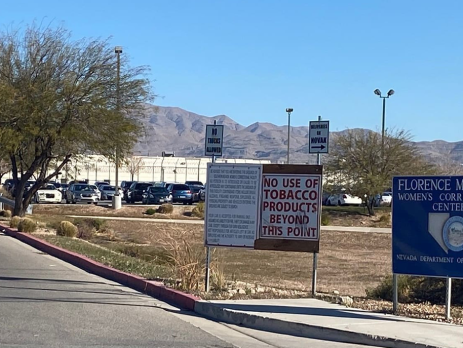
photo of signage at the entrance of the Florence McClure Women's Correctional Center

Reducing recidivism and improving mental health

Experiencing hopelessness and struggling to manage weight can have detrimental mental effects on a woman, leading to unhealthy eating habits, the misuse of prescription medications and even resorting to drug use as a form of self-medication. Teen girls between the ages of 12 and 17 have a higher likelihood of reporting a substance use disorder within the past year [...]

Read more...
nature trail surrounded by native Nevada plants

Trainings aim to reduce pesticide contamination in urban waterways

Nevada’s population is growing significantly, particularly in urban regions. Pesticide residue in waterways – especially from products used for nonagricultural purposes – underscores the need for education among landscape professionals, pesticide applicators and residents controlling pests in urban areas. Over the last decade, University of Nevada Cooperative Extension has developed integrated pest management (IPM) education that has led to a [...]

Read more...
A tractor sprays pesticides in an orchard

Safer, more sustainable pest management

Managing pests is essential to healthy, safe and productive agricultural, urban, residential and natural areas. But pesticides can cause air and water pollution and unintended harm to nontarget organisms. Pesticide exposure has also been linked to human health problems. In addition, many pests eventually develop resistance to commonly used chemicals, rendering those chemicals ineffective. Researchers and Extension educators across [...]

Read more...