Tag - Rhode Island

State/Territory

Healthy foods and exercise equipment.

Land-grant university research and Extension strengthen nutrition, health and well-being

Chronic diseases are the leading cause of illness, disability and death in America. Research and Extension are fighting back. Over half of adults who participated in a Texas diabetes education program now choose healthier foods, monitor glucose levels during exercise, and control their diabetes to avoid interference with daily life. These changes could help participants save up to $94,021 in [...]

Read more...
Vegetables for sale at a farmers market stand.

Research and Extension ensure everyone has ample access to affordable, safe, nutritious food

Invasive pests damage crops, costing U.S. agriculture an estimated $30 billion every year. Pest management research and Extension stabilize the food supply chain. Researchers and Extension specialists in Oregon, developed cost-effective alternatives to glyphosate for herbicide-resistant Russian thistle control, protecting more than 30,000 acres of wheat and preventing over $1 million in yield losses so far.Oregon State University Extension Service. [...]

Read more...
UConn Extension experts at a well water testing booth

Well water testing improves public health 

Clean and safe water is essential to public health, agricultural productivity and environmental sustainability. Those with private wells are responsible for their own water safety. Without accessible testing, education and coordinated planning, contaminants can threaten drinking water, food safety and ecosystem health, particularly in rural communities.  Here are a few examples of that work: In Connecticut, 65% of participating households took [...]

Read more...
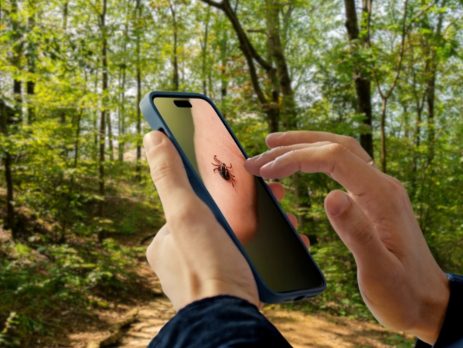
a person looks at a phone screen with a photo of a tick in a wooded area

Robust resource hub, outreach campaign help prevent tick bites, reduce spread of tickborne diseases

Tickborne diseases pose a growing public health threat — most notably Lyme disease, which affects nearly half a million Americans annually. Despite this increasing risk, the number of public health entomologists has declined, creating a critical gap in education and prevention efforts. The Centers for Disease Control and Prevention (CDC) has identified the urgent need for new tools to [...]

Read more...
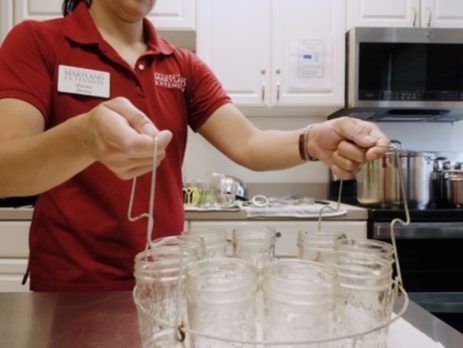
UME Agent, Shauna Henley, preparing mason jars for sterilization

Extension trainings keep Americans safe from foodborne illness

Foodborne illness is a widespread, costly public health concern in the United States. Each year, one in six Americans becomes sick from contaminated food, leading to hospitalizations, long-term health complications and even death. Pregnant women, the elderly, young children and people with weakened immune systems or chronic diseases are most at risk. Because food safety risks can occur at [...]

Read more...

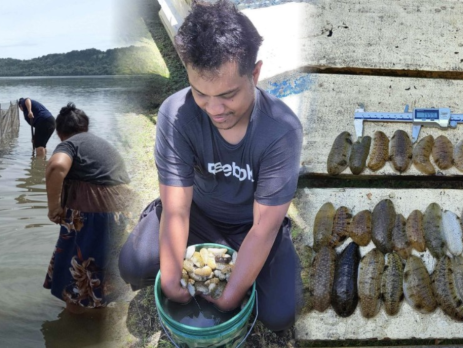
Making aquaculture more productive, safe and economical

The seafood industry is economically vital and provides an important source of protein for the world. Challenges to aquaculture include inefficient production methods, expensive feed inputs and food safety. Land-grant efforts are protecting and promoting this booming industry. Here are a few examples of that work: As feed is the most expensive cost of aquaculture, researchers in Alabama are developing feeds [...]

Read more...
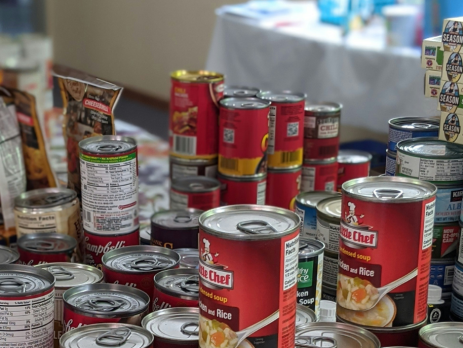
food stores waiting for delivery in a local church community food bank

Food Recovery relieves food waste in Rhode Island

In 2024, more than one-third of Rhode Island households struggled to afford food. While food pantries served over 84,000 people each month, food remained the largest contributor to landfill waste, generating potent methane emissions and shortening the life of the state’s only landfill. In response, Food Recovery for Rhode Island mobilized trained volunteers and community partners to recover and [...]

Read more...
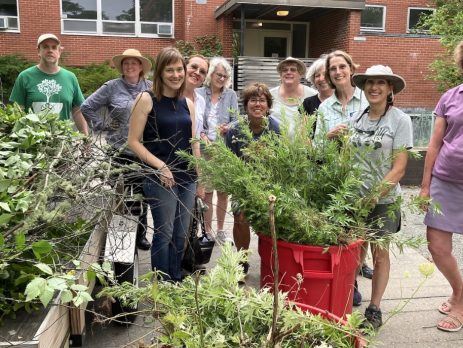
a smiling group of master gardeners

Horticulture programs sprout more resilient communities

Local horticulture is an important tool to combat food insecurity in underserved communities, while boosting environmental sustainability and community health. Volunteers with horticulture training through Extension Master Gardener programs partner with local organizations, schools and vulnerable communities to grow and distribute locally grown produce as well as create jobs.  Here are a few examples of that work: The Master Gardener program [...]

Read more...
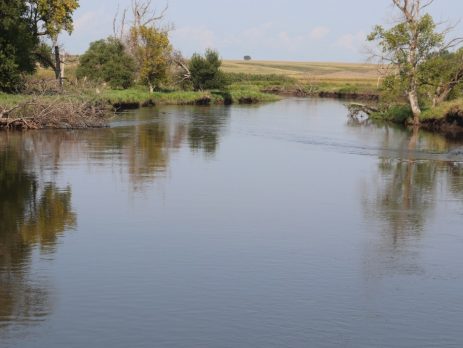
a lake

Strengthening water quality across landscapes

Access to clean, reliable water for communities, ecosystems and agriculture is increasingly threatened by issues such as nutrient pollution and emerging contaminants. Land‑grant universities are addressing these challenges through innovative research and hands‑on Extension programming that empowers volunteers, land managers and future water‑quality stewards. Here are a few examples of that work: Researchers in Montana found evidence that wetland conservation can [...]

Read more...