Tag - Mississippi State University

Institution

Healthy foods and exercise equipment.

Land-grant university research and Extension strengthen nutrition, health and well-being

Chronic diseases are the leading cause of illness, disability and death in America. Research and Extension are fighting back. Over half of adults who participated in a Texas diabetes education program now choose healthier foods, monitor glucose levels during exercise, and control their diabetes to avoid interference with daily life. These changes could help participants save up to $94,021 in [...]

Read more...
Vegetables for sale at a farmers market stand.

Research and Extension ensure everyone has ample access to affordable, safe, nutritious food

Invasive pests damage crops, costing U.S. agriculture an estimated $30 billion every year. Pest management research and Extension stabilize the food supply chain. Researchers and Extension specialists in Oregon, developed cost-effective alternatives to glyphosate for herbicide-resistant Russian thistle control, protecting more than 30,000 acres of wheat and preventing over $1 million in yield losses so far.Oregon State University Extension Service. [...]

Read more...
A river bisects a field and forested riparian area

Research and Extension support resilient ecosystems

Recent studies and programs are conserving and protecting water used for drinking, fishing, irrigation and recreation.  Washington research helped establish 25 anaerobic digesters across the Pacific Northwest, turning dairy manure from more than 143,000 cows into biogas that provides more than 126 million kilowatt-hours of renewable energy per year. Digesters decrease water quality risks associated with nutrient runoff from manure [...]

Read more...
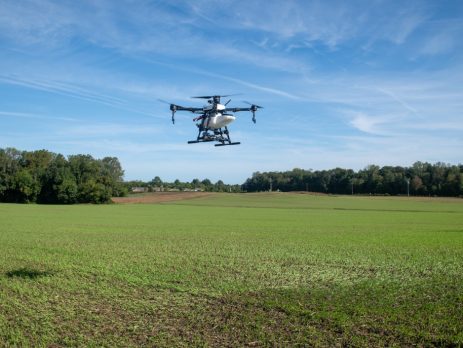
A drone flies over a field.

Research and Extension make agricultural systems more efficient, profitable, competitive and resilient

Strategies and tools for managing crop pests and diseases have increased productivity and profitability. For example: Extension units across the nation offer plant and pest diagnostic clinics. In New Mexico, free diagnoses saved producers an estimated $36,000 in testing fees in 2025, while also supporting biosecurity and export compliance. In Indiana, lab results and recommendations saved clients $890,000 in reduced [...]

Read more...
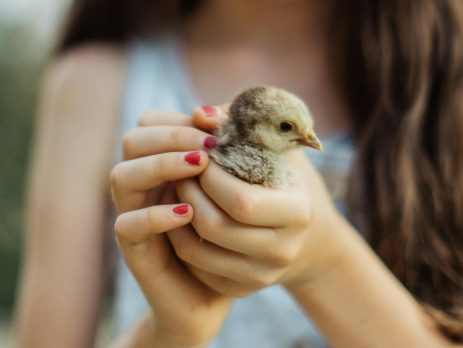
a young girl holds a chick

Extension program bridges poultry knowledge gap for Mississippi youths

Most Mississippi youths have limited exposure to agriculture and little understanding of poultry production, food systems and related careers, despite poultry being the state’s leading agricultural commodity. Declining agricultural literacy and fewer hands-on learning opportunities leave key concepts such as animal care, food production and biosecurity poorly understood.  Mississippi State University Extension addresses this gap through Poultry Hatch-Out and the [...]

Read more...
4-H teens and instructor baking

Extension programming educates, empowers teens to make informed health choices in supportive environments

Teenage youth are one of our greatest resources for influencing change that leads to healthier communities; they are our next generation of leaders. When creating programming for older youth, Extension specialists take into consideration the unique physical, emotional and social changes during adolescence to tailor programming effectively. Across the country, Extension is tackling health issues for teenagers with innovative [...]

Read more...
kebabs

Bots for kebabs

Consumer demand is strong for grilled kebabs — meat and vegetable cubes on skewers — that require highly labor-intensive tasks and complex hand-eye coordination. This repetitive, low-skilled job of producing kebabs is getting harder to fill, and even the existing semi-autonomous skewering systems require human handling and oversight. Food processing companies are increasingly recognizing the need to fully automate [...]

Read more...
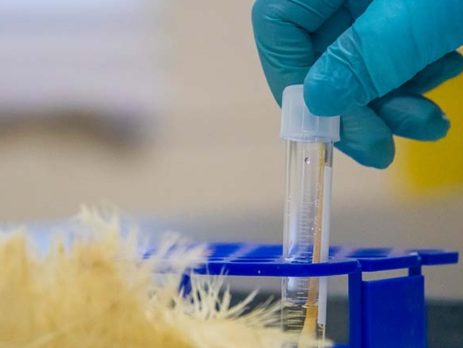
Scientists test a sample for C. perfringens at the MAFES H. H. Leveck Animal Research Center.

Billion-dollar bacterial test for poultry

Necrotic enteritis (NE) is estimated to cost $6 billion in annual losses to the poultry industry, where it causes the death of cells and tissue in the bird’s intestinal lining. It thrives in birds with prior gut damage and those that feed on diets high in wheat or fishmeal. Often, birds do not display symptoms until they have already [...]

Read more...
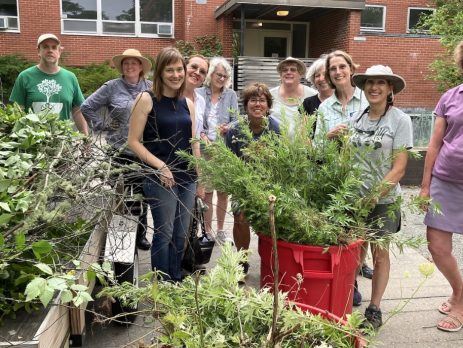
a smiling group of master gardeners

Horticulture programs sprout more resilient communities

Local horticulture is an important tool to combat food insecurity in underserved communities, while boosting environmental sustainability and community health. Volunteers with horticulture training through Extension Master Gardener programs partner with local organizations, schools and vulnerable communities to grow and distribute locally grown produce as well as create jobs.  Here are a few examples of that work: The Master Gardener program [...]

Read more...
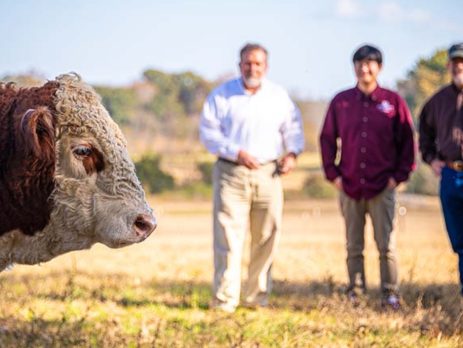
Scientists stand in a pasture with a bull in the foreground

Fine-tuning livestock production systems to overcome challenges

Livestock researchers are exploring new ways to achieve higher profitability through reproductive research, technology and traditional education outreach to help offset rising production costs. Here are a few examples of that work: In Louisiana, the Geaux Beef Heifer Development Program was created to support producers with expert-guided, forage-based heifer development. The program utilized artificial insemination or natural breeding combined with expert [...]

Read more...
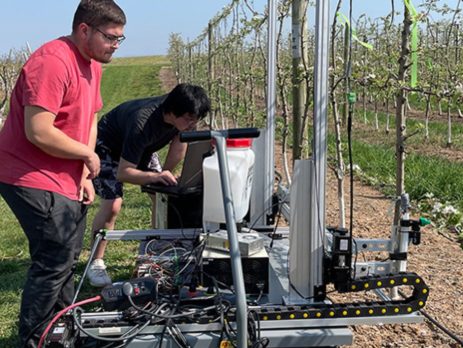
two scientists operate a robotic apple blossom sprayer

Emerging technology offers new tools for growers

Emerging technology is giving farmers tools to reduce the impacts of labor shortages, rising costs, changing weather patterns and regulatory demands, while improving production and profitability. These tools, using drones, robots, artificial intelligence and machine learning, offer a path to sustain productivity, worker safety and environmental performance in the agricultural economy. Projects demonstrate how these technical tools and artificial [...]

Read more...
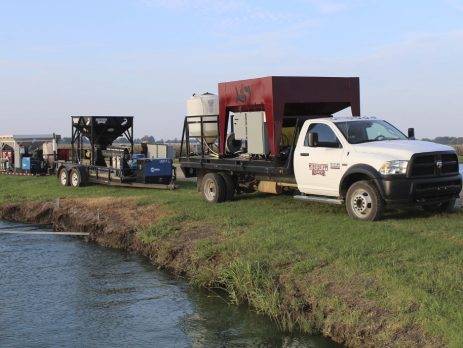
Scientists test a vaccine and delivery system at a catfish pond.

New vaccine and delivery system protect catfish against fatal disease, reduce antibiotic reliance

Catfish is the largest aquaculture industry in the United States. For decades, catfish producers have struggled against pervasive infestation from E. ictaluri, which mainly affects fingerlings (juveniles), targeting the fish’s brain and resulting in abnormal behavior and swimming patterns, swelling, ulcers and death. ESC has been treated with antibiotics delivered through feed. However, as orders for medicated feed rose [...]

Read more...
a group of children smile around a science experiment

Land-grant universities support youths, build stronger communities

The Land-grant University System plays a crucial role in equipping young people with the skills, knowledge and leadership abilities they need to thrive in their personal and professional lives. Here are a few examples of that work: In North Carolina, the Bertie DigiCon provided residents with tools and resources to overcome digital barriers. The event raised funds for youth development and [...]

Read more...
a family preparing a salad

Delivering nutrition and health education and resources at the community level

The SNAP-Ed program provides research-based nutrition education to SNAP recipients and those who are eligible for benefits, helping individuals and families make more nutritious food choices, stretch their food dollars and lead healthier lifestyles. Land-grant universities play a key role by leveraging Extension professionals to deliver nutrition education and resources directly to a wide audience of communities. The program [...]

Read more...
view of tree canopy from below

Private land stewardship protects environment and communities

Practicing good stewardship of private lands is important for the health of our ecosystems and communities. Researchers, Extension professionals and educators at land-grant universities across the United States provide training, tools and other resources to help private landowners manage their land in ways that are environmentally friendly and economically sustainable. Here are a few examples of that work: Extension professionals in [...]

Read more...
crops growing out of dry, cracked soil

Understanding and identifying solutions for weather impacts on agriculture

Drought, severe weather and wildfires can have significant economic impacts on agriculture. Research and educational programming by land-grant universities helps us understand these effects and strengthen resilience. Here are a few examples of that work: Red clover, a commonly used forage crop in the northeastern U.S., increases its phytoestrogen levels under drought conditions, potentially affecting livestock reproductive health. The economic impact [...]

Read more...
a creek through the woods

Precision monitoring aids decision makers and stakeholders in protecting key watersheds

Nutrient pollution, biodiversity losses and weather variability pose extraordinary challenges for the sustainability of natural ecosystems and the species that inhabit them. Land-grant universities are developing and applying emerging technologies that can help to more efficiently, accurately and safely monitor, measure and precisely manage these systems with minimal environmental impact. Here are a few examples of that work: To better understand [...]

Read more...
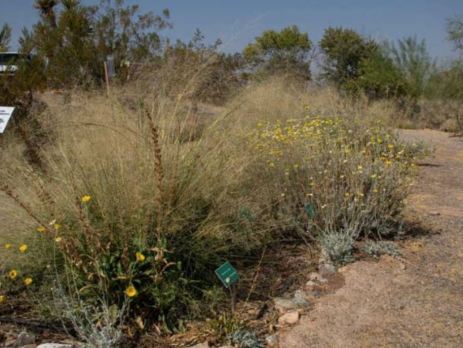
flowering plants growing in the desert

Extension programs help producers, communities manage pests sustainably

Agricultural land and natural ecosystems face growing threats from invasive and noxious grasses and weeds, feral animals, pests and diseases that impair ecosystem services and agricultural productivity. Chemical pesticides can pose human and environmental health risks. Extension educators at land-grant universities help agricultural producers and communities develop and implement pest management strategies that are cost-effective but also minimize risks. Here [...]

Read more...
an adult and teen work on a car

Extension programs drive economic growth and community vitality

Especially in rural areas, business owners, local leaders and others can have trouble finding support, information and resources. Across the nation, Extension programs are helping boost local economies and build vibrant communities. Here are a few examples of that work: In Mississippi, Extension professionals lead a program that educates new small business owners about resources and strategies that can help them [...]

Read more...
a family preparing a meal

Extension programs help families grow stronger as they navigate life’s challenges

Parenting isn’t easy — and neither are a myriad of other experiences that can arise in family life. To help people navigate situations like adjusting to co-parenting after a divorce, family disagreements and end-of-life planning, Extension professionals at land-grant universities lead research-backed initiatives that strengthen families and offer support for those going through difficult circumstances. Here are a few examples [...]

Read more...
pigweed

Research and outreach on invasive species keep agriculture productive, profitable

Land-grant university research and outreach is helping manage the impacts invasive weeds and species have on growers and agricultural productivity. Here are a few examples of that work: When invasive pigweed threatened Idaho agriculture, Extension educators educated stakeholders on identification and best management practices. Educational materials have been widely shared, including more than 50 presentations to more than 4,000 direct contacts [...]

Read more...
a robot picking berries

Digital agriculture enhances production, monitoring capabilities

Data modeling, automated machinery and drones are just a few of the technologies that are powering improved efficiencies in livestock and crop production. Land-grant universities are at the forefront of researching and applying these technologies, paving the way for increased productivity, better disease management and optimized harvest timing. Here are a few examples of that work: In Idaho, many cattle producers [...]

Read more...
a person wearing PPE and looking at a device

Land-grant universities support the viability of livestock production

From teaching producers biosecurity techniques to keeping poultry cool in extreme temperatures to identifying genetic traits that will optimize production, land-grant university researchers and Extension professionals are supporting the viability of livestock production in the United States. Here are a few examples of that work: Researchers at land-grant universities nationwide are developing and using advanced technologies and data to improve poultry [...]

Read more...
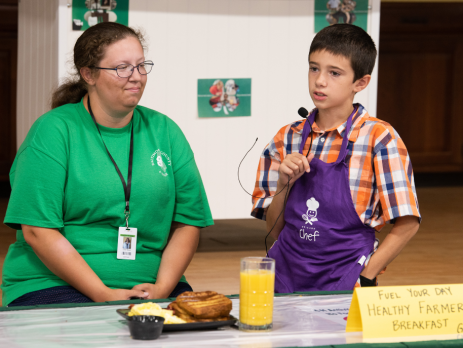
a 4-h participant and leader present a cooked meal

Youth volunteers lead wellness lessons through Mississippi Extension program

In Mississippi, 4-H members are stepping up to educate those in their communities about a wide variety of health topics.  Through the Mississippi State University Extension’s 4-H Junior Master Wellness Volunteer Program, 100 youths made 96,000 contacts in 2024 through one-on-one and group presentations, community service projects, social media messages and a health fair. After receiving training and with guidance [...]

Read more...
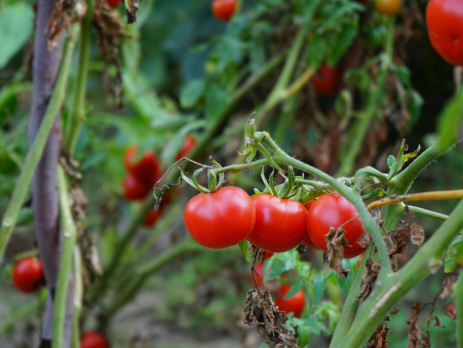
tomatoes on the vine

Optimizing nutrition for tomatoes enhances economic returns to growers

Nutrient deficiencies and excess can reduce tomato crop productivity, harvest quality and economic return. Mississippi State University Extension researchers evaluated nitrogen application rates in field tomato production in north Mississippi during the summer seasons of 2023 and 2024. They collected soil, water, leaf, fruit, stem and harvest samples, then processed and analyzed them. Based on the field studies, they determined [...]

Read more...