Tag - University of Guam

Institution

Healthy foods and exercise equipment.

Land-grant university research and Extension strengthen nutrition, health and well-being

Chronic diseases are the leading cause of illness, disability and death in America. Research and Extension are fighting back. Over half of adults who participated in a Texas diabetes education program now choose healthier foods, monitor glucose levels during exercise, and control their diabetes to avoid interference with daily life. These changes could help participants save up to $94,021 in [...]

Read more...
A river bisects a field and forested riparian area

Research and Extension support resilient ecosystems

Recent studies and programs are conserving and protecting water used for drinking, fishing, irrigation and recreation.  Washington research helped establish 25 anaerobic digesters across the Pacific Northwest, turning dairy manure from more than 143,000 cows into biogas that provides more than 126 million kilowatt-hours of renewable energy per year. Digesters decrease water quality risks associated with nutrient runoff from manure [...]

Read more...
a senior couple holds hands and looks at their land

Reducing farm stress

Farm stress management addresses the unique mental, emotional and financial pressures that agricultural producers face, helping them build resilience as they confront unpredictable weather, volatile markets and demanding workloads. Supporting farmers’ well‑being is critical not only for their personal health but also for the stability and sustainability of our food systems and rural communities. Extension plays an essential role [...]

Read more...
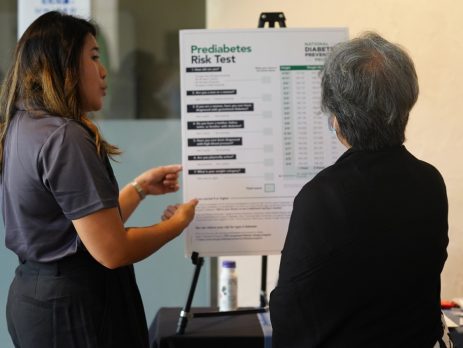
an Extension educator talks toa community member about a prediabetes risk test

Land-grant universities improve lives through diabetes education, prevention

More than 38 million Americans have diabetes, and nearly 98 million have prediabetes, which costs the U.S. $412.9 billion annually between health care and lost productivity. Those affected often lack access to education that supports day-to-day diabetes self-management. Complications can include kidney disease, heart disease, loss of limbs and vision loss. This prevalent chronic disease is a major contributor [...]

Read more...
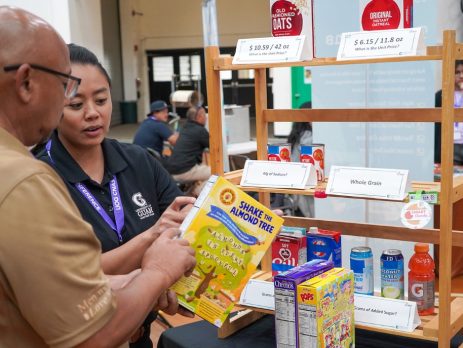
an Extension agent shows a member of the public how to read a nutrition label on a box of cereal

Improving food and nutrition knowledge and skills

The Expanded Food and Nutrition Education Program (EFNEP) helps adult and youth participants improve their nutrition and health. It promotes budget-friendly food choices by teaching skills in how to plan meals, shop wisely, and prepare affordable, nutritious foods. It empowers participants and builds self-confidence, leadership and lifelong healthy habits. By teaching food resource management and efficient use of available [...]

Read more...
farmers watch a demonstration at a field day

Hands-on learning through trials and demonstrations

Lack of awareness and understanding of the latest research and technologies can impact profitability on small farms. Land-grant universities provide hands-on learning opportunities where producers can learn from one another, see real-time demonstrations and learn about the latest research trials to support decision-making. Here are a few examples of that work: Turmeric, a tropical plant that thrives in Guam, has been [...]

Read more...
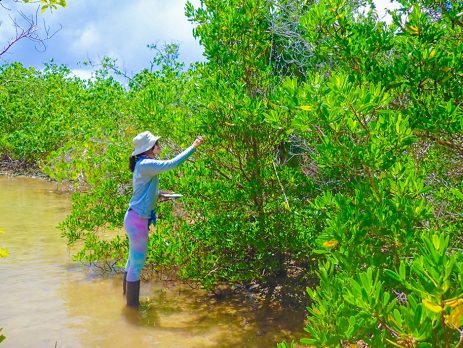
a researcher examines a mangrove

Early research helps prepare for new pest invasion in Pacific mangroves

The native mangrove tree Lumnitzera littorea (ngånga’ in CHamoru) is facing a new threat to its small population in Guam’s Sasa Bay Marine Preserve. Low germination rates have signaled an unknown pressure, but similar findings in Sri Lanka have pointed to the presence of micromoths that were infesting and destroying mangrove seeds. These trees provide important ecological functions, including [...]

Read more...
a purple flowering plant

Research provides more sustainable pest management options

Agricultural land and natural ecosystems face growing threats from invasive and noxious grasses and weeds, feral animals, pests and diseases that impair ecosystem services and agricultural productivity. Chemical pesticides can pose human and environmental health risks. Land-grant university research had led to findings, tools and strategies for managing pests more sustainably. Here are a few examples of that work: Research and [...]

Read more...
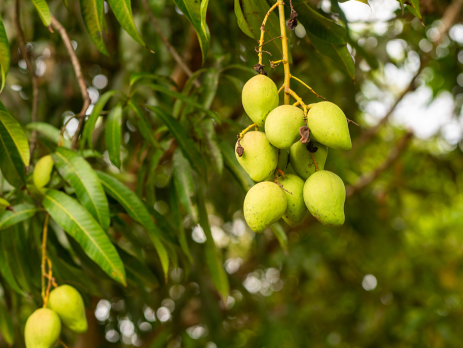
fruit growing on a tree

Understanding root causes of chronic health conditions, more natural ways to treat them

Chronic health concerns, including diabetes, autoimmune disorders and vitamin deficiency, are costly and debilitating to patients and the healthcare system. Researchers across the Land-Grant University System are looking at new and often natural ways to help ease the onset or effects of common, chronic conditions, and promote better health along the way. Here are a few examples of that work: In [...]

Read more...
a scientist examining plants in a controlled environment agriculture setting

Advancing sustainable food production in soilless environments

Land-grant universities across the nation are working to make the food supply more secure by exploring the best ways to produce crops without soil. Hydroponic and aquaponic systems have many benefits, including reducing the inputs and space needed to produce food. Researchers are studying how to make the foods grown in these controlled environments safer and better. Extension personnel [...]

Read more...
ducks

Protecting biodiversity for healthy ecosystems and communities

Biodiversity supports healthy ecosystems and recreation around the world. A diverse range of species ensures stability and resilience in the face of environmental changes. Protecting biodiversity also preserves the opportunity for new discoveries, such as species that can be used as biological pest control agents or medicines. Land-grant university researchers and Extension professionals are working to protect the biodiversity [...]

Read more...

Land-grant researchers and Extension educators protect essential pollinators

Pollinators play a critical role in the world’s ecosystems, facilitating the reproduction of flowering plants and ensuring the production of many crops. But many pollinator populations are declining or at risk due to habitat loss, pesticide use and changing environmental conditions. Researchers and Extension educators at land-grant universities across the United States are finding ways to protect pollinators. Here are [...]

Read more...
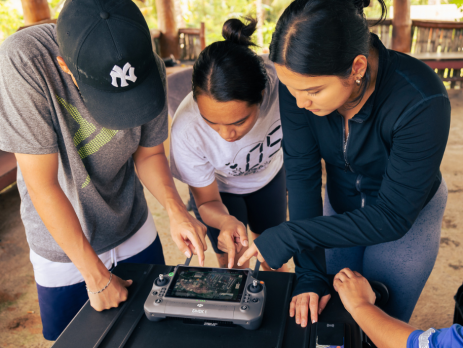
researchers observe drone data collection

Drone images help monitor for invasive beetle in Palau

The invasive coconut rhinoceros beetle has damaged at least 25% of Guam’s coconut trees, the Guam Department of Agriculture’s Biosecurity Division estimates. About 800 miles away, officials in the Micronesian island Palau are looking for efficient ways to monitor this invasive pest. They’re seeking to prevent a resurgence that could devastate the economy and livelihoods that rely on native [...]

Read more...
two scientists take samples from a tree

Research guides management decisions to protect Guam’s native forests

Guam’s limestone forests are being overtaken by an invasive overstory tree called Vitex parviflora, known commonly as the molave tree. Native to the Philippines, Vitex is now the most common invasive tree species in Guam. Because this tree tends to form a monoculture, it competes with the native species that are needed to balance and sustain Guam’s ecosystems. Clearing the [...]

Read more...
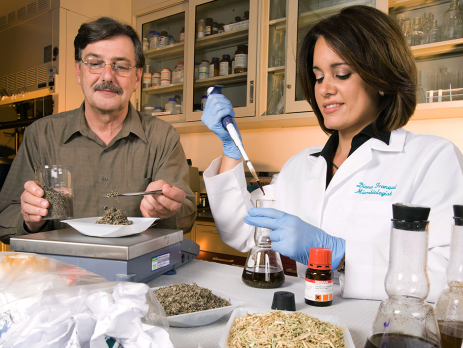
two scientists analyze samples in a food lab

Understanding how natural chemicals in food affect health

The foods and drinks we consume contain natural chemicals like vitamins, minerals, flavonoids, toxicants and hormones that can positively or negatively impact human health. Since 1971, a multistate project has brought together researchers at 22 land-grant universities to research the effects of these dietary bioactive chemicals. Studies shed light on mechanisms involved in bioactivity and determined how agricultural practices [...]

Read more...
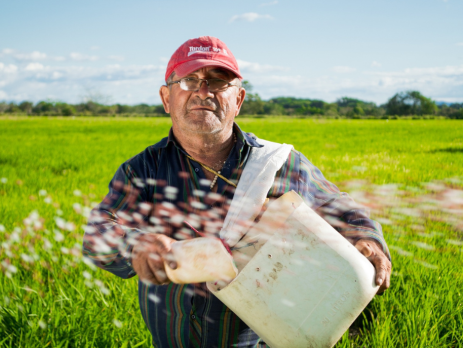
a farmer standing in a field

Aiding farmers and rural residents with mental health struggles

Agricultural producers have one of the highest suicide rates of any industry in the nation but can be hesitant to seek help when struggling with their mental health or have limited access to mental healthcare. Land-grant institutions across the country have implemented programming targeting mental health concerns. Here are a few examples of that work: The Farmer Focus Project surveyed producers [...]

Read more...