Tag - Invasive Species

Topic

Vegetables for sale at a farmers market stand.

Research and Extension ensure everyone has ample access to affordable, safe, nutritious food

Invasive pests damage crops, costing U.S. agriculture an estimated $30 billion every year. Pest management research and Extension stabilize the food supply chain. Researchers and Extension specialists in Oregon, developed cost-effective alternatives to glyphosate for herbicide-resistant Russian thistle control, protecting more than 30,000 acres of wheat and preventing over $1 million in yield losses so far.Oregon State University Extension Service. [...]

Read more...
A river bisects a field and forested riparian area

Research and Extension support resilient ecosystems

Recent studies and programs are conserving and protecting water used for drinking, fishing, irrigation and recreation.  Washington research helped establish 25 anaerobic digesters across the Pacific Northwest, turning dairy manure from more than 143,000 cows into biogas that provides more than 126 million kilowatt-hours of renewable energy per year. Digesters decrease water quality risks associated with nutrient runoff from manure [...]

Read more...
screwworm fly

The U.S. prepares for a potential screwworm outbreak

As a New World Screwworm (NWS) outbreak spreads from Central America to Mexico, states in the Southwest are ramping up efforts to raise awareness among livestock producers of the current status, management methods and the impacts this devastating pest may have on livestock in the event of a U.S. outbreak.  Numerous presentations have been offered in-person and online in Oklahoma [...]

Read more...
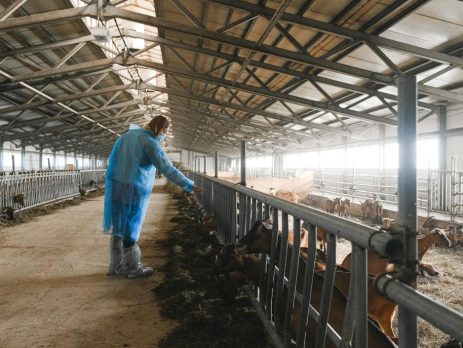
a person wearing PPE examines goats in a barn

Safeguarding farms through improved biosecurity

The University of Arkansas Cooperative Extension Service has been stepping up producer education in biosecurity and agroterrorism, and pest and disease surveillance and control, to safeguard the state’s agriculture and economy. Representatives from more than 100 counties and different agricultural sectors have participated in new agro- and bioterrorism training to increase awareness and expertise related to emerging risks in [...]

Read more...
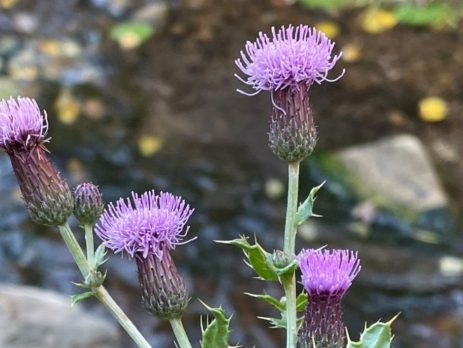
Canada thistle

Researchers show rust fungus helps control invasive Canada thistle

The noxious weed Canada thistle (Cirsium arvense L.), which originated from the eastern Mediterranean region, crowds out crops, forage and native plant species in the Intermountain West, creating challenges for producers and land management agencies. Some herbicides are effective against Canada thistle, but they can be costly, time-consuming and risky to apply.    In its native range, one factor that helps [...]

Read more...
Braham Dhillon, a molecular plant pathologist at UF/IFAS Fort Lauderdale Research and Education Center, demonstrates Robigus from his desktop.

New Robigus app allows viewers to track invasives, crop diseases worldwide

Plant diseases pose a global threat to food security, yet critical data on outbreaks are scattered across thousands of journals and reports. This fragmentation makes it difficult to access timely information about the disease, delaying the search for treatments and potential best management control practices.  The new app Robigus, developed by a researcher at the University of Florida Institute of [...]

Read more...
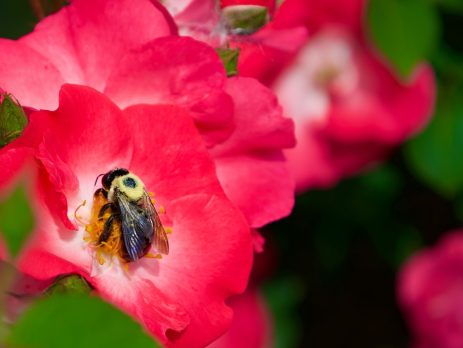
bee on a flower

Integrated approach identifies bee protection opportunities in rural, urban areas

Bees are essential pollinators for many fruits, vegetables and ornamental plants. Continuing declines in their populations jeopardize crop yields, food security and biodiversity. Over 400 bee species live in Ohio, including the federally endangered Rusty Patched Bumble Bee (RPBB), but they are threatened by pesticides, diseases, habitat degradation, heavy metal pollution and changing weather patterns.   Ohio State University researchers assessed [...]

Read more...
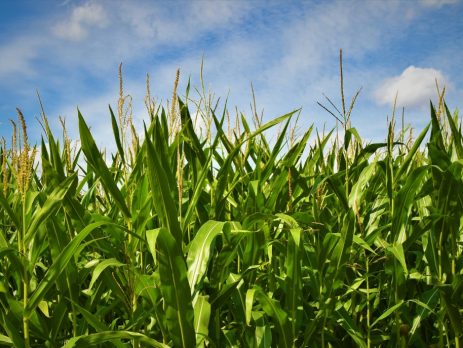
cornfield

Scientists unravel corn pest’s overwintering genes

Western and northern corn rootworms cost U.S. growers more than $1 billion each season. The larvae chew roots that anchor and feed corn plants, knocking down stalks and trimming grain weight. The beetles have become resistant to pesticide rotations and other control tactics, while the eggs they lay in soybean fields lie dormant until corn returns the following spring.  At the [...]

Read more...
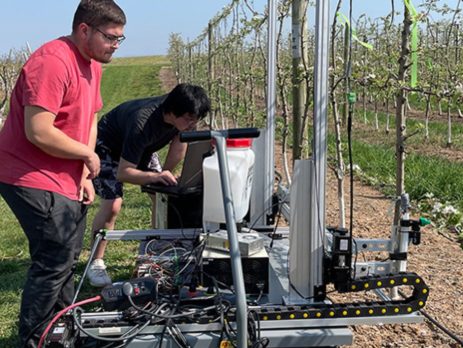
two scientists operate a robotic apple blossom sprayer

Emerging technology offers new tools for growers

Emerging technology is giving farmers tools to reduce the impacts of labor shortages, rising costs, changing weather patterns and regulatory demands, while improving production and profitability. These tools, using drones, robots, artificial intelligence and machine learning, offer a path to sustain productivity, worker safety and environmental performance in the agricultural economy. Projects demonstrate how these technical tools and artificial [...]

Read more...
Mario Soto and Aurelie Poncet with a plant and a light-emitting device.

Building resilient agriculture through pest management

Land-grant university pest management programs strengthen agricultural resilience by delivering research-based education that helps farmers manage pests more effectively and safely. These programs improve pest control decisions, reduce unnecessary pesticide use and minimize health and environmental risks—supporting healthier ecosystems and long-term productivity. Here are a few examples of that work: Louisiana State University’s AgCenter’s Field Crop Integrated Pest Management (IPM) Program [...]

Read more...
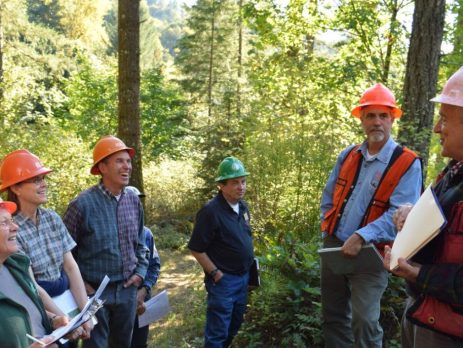
OSU Extension Master Woodland Managers attend a workshop.

Protecting private forests by growing good stewardship

More than half of forest land in the United States is privately owned. This land produces nearly all of the harvested timber that is used for building houses or made into forest products. Practicing good stewardship of private lands is important for ecosystem and community health. Because the more than 10 million private owners of these lands are often [...]

Read more...
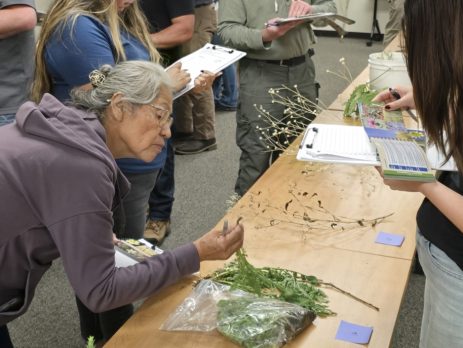
Weed Warriors participants practice their weed identification skills.

Integrated Pest Management practices protect Nevada waterways

Encouraging people to adopt Integrated Pest Management (IPM) strategies can lower the risk of pesticide residues that harm water quality.  The University of Nevada, Reno Extension hosted educational activities in 2025 focused on Integrated Pest Management to address the need for cleaner and safer Nevada waterways. These Community IPM Trainings reached Weed Warriors, Master Gardeners and others. Extension partnered with [...]

Read more...
The top of a Pheonix canariensis palm tree due to Thielaviopsis trunk rot.

Florida researchers find a speedier way to screen palms for disease resistance

Florida’s iconic palms are under attack by Thielaviopsis trunk rot, a fungal disease that causes plants to collapse and die suddenly. With little information known about disease resistance in palms, homeowners and landscapers were left without guidance on which species are more resilient in the face of the new threat.  Researchers at the University of Florida Institute of Food and [...]

Read more...
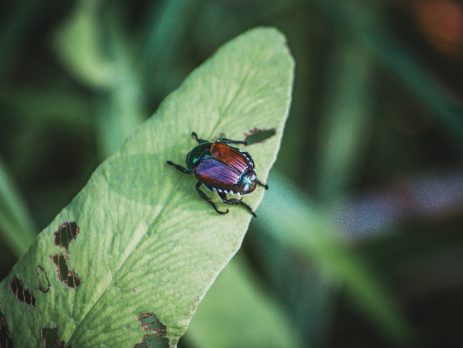
Japanese beetle

Extension is on the front line in the fight against invasive pests in Colorado

In Colorado, a population boom has driven increased interest in home horticulture, highlighting the need for research-based pest management education that’s easy to find and use.  With the state’s population rising by 15% from 2010 to 2020 and most residents concentrated along the Front Range, communities are facing greater exposure to high-priority pests such as Japanese beetle and emerald ash [...]

Read more...
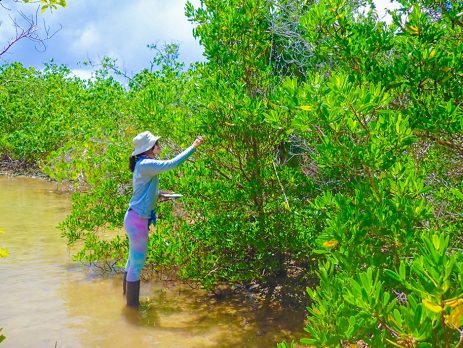
a researcher examines a mangrove

Early research helps prepare for new pest invasion in Pacific mangroves

The native mangrove tree Lumnitzera littorea (ngånga’ in CHamoru) is facing a new threat to its small population in Guam’s Sasa Bay Marine Preserve. Low germination rates have signaled an unknown pressure, but similar findings in Sri Lanka have pointed to the presence of micromoths that were infesting and destroying mangrove seeds. These trees provide important ecological functions, including [...]

Read more...
a purple flowering plant

Research provides more sustainable pest management options

Agricultural land and natural ecosystems face growing threats from invasive and noxious grasses and weeds, feral animals, pests and diseases that impair ecosystem services and agricultural productivity. Chemical pesticides can pose human and environmental health risks. Land-grant university research had led to findings, tools and strategies for managing pests more sustainably. Here are a few examples of that work: Research and [...]

Read more...
a cicada

Land-grant universities help farmers manage pests in food crops

The challenges of managing pests and pesticide resistance requires ongoing, vigilant attention. Researchers and Extension specialists, in cooperation with farmers and industry across the United States, are helping farmers identify pests and determine whether and how to manage them. Effective pest management can help prevent crop failure, related economic losses and higher consumer prices. Here are a few examples of [...]

Read more...
ducks

Protecting biodiversity for healthy ecosystems and communities

Biodiversity supports healthy ecosystems and recreation around the world. A diverse range of species ensures stability and resilience in the face of environmental changes. Protecting biodiversity also preserves the opportunity for new discoveries, such as species that can be used as biological pest control agents or medicines. Land-grant university researchers and Extension professionals are working to protect the biodiversity [...]

Read more...
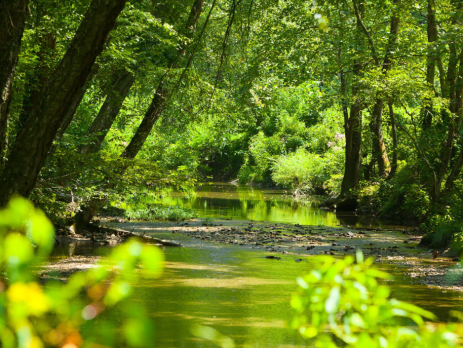
a creek through the woods

Precision monitoring aids decision makers and stakeholders in protecting key watersheds

Nutrient pollution, biodiversity losses and weather variability pose extraordinary challenges for the sustainability of natural ecosystems and the species that inhabit them. Land-grant universities are developing and applying emerging technologies that can help to more efficiently, accurately and safely monitor, measure and precisely manage these systems with minimal environmental impact. Here are a few examples of that work: To better understand [...]

Read more...
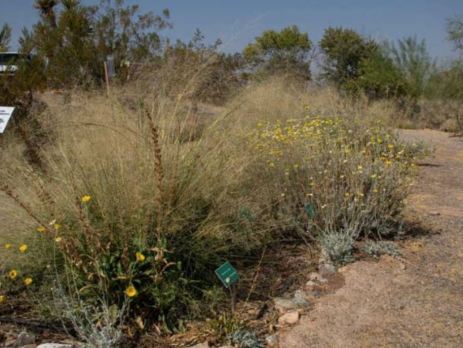
flowering plants growing in the desert

Extension programs help producers, communities manage pests sustainably

Agricultural land and natural ecosystems face growing threats from invasive and noxious grasses and weeds, feral animals, pests and diseases that impair ecosystem services and agricultural productivity. Chemical pesticides can pose human and environmental health risks. Extension educators at land-grant universities help agricultural producers and communities develop and implement pest management strategies that are cost-effective but also minimize risks. Here [...]

Read more...
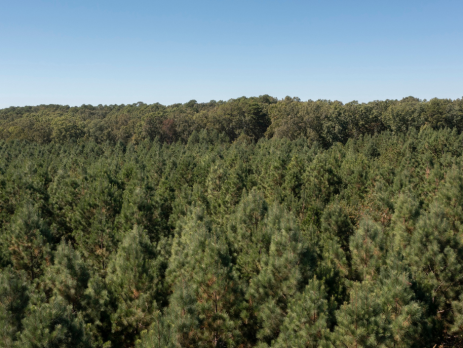
a forest

Preserving and managing our forests

Forests provide a variety of goods, including food, lumber, and paper. They also provide wildlife habitat as well as green space and recreation. As natural carbon sinks, forests absorb carbon dioxide from the atmosphere and store carbon in soils. But rising temperatures, pests and diseases pose threats to forests. Researchers, Extension professionals and educators at land-grant universities across the [...]

Read more...
two people sawing a tree

Volunteers help protect and restore local environments

Land-grant universities across the United States are finding ways to engage the public in science and stewardship that address real-world problems in their communities. With training and tools, volunteers are able to collect important data that help scientists, natural resource organizations, community members and the government protect and restore land, air and water resources — and the ecosystem services [...]

Read more...
pigweed

Research and outreach on invasive species keep agriculture productive, profitable

Land-grant university research and outreach is helping manage the impacts invasive weeds and species have on growers and agricultural productivity. Here are a few examples of that work: When invasive pigweed threatened Idaho agriculture, Extension educators educated stakeholders on identification and best management practices. Educational materials have been widely shared, including more than 50 presentations to more than 4,000 direct contacts [...]

Read more...
researchers observe drone data collection

Drone images help monitor for invasive beetle in Palau

The invasive coconut rhinoceros beetle has damaged at least 25% of Guam’s coconut trees, the Guam Department of Agriculture’s Biosecurity Division estimates. About 800 miles away, officials in the Micronesian island Palau are looking for efficient ways to monitor this invasive pest. They’re seeking to prevent a resurgence that could devastate the economy and livelihoods that rely on native [...]

Read more...
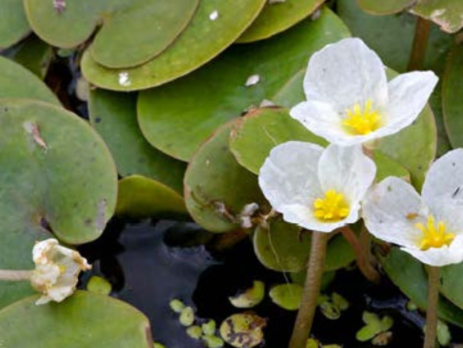
European frog-bit, an invasive species of aquatic plant

Preventing the spread of aquatic invasive species in Michigan

Hobbies such as aquarium keeping and water gardening can bring nature into homes but can also inadvertently contribute to the introduction and spread of invasive species into local lakes and streams. These invaders, often characterized by hardiness and rapid growth, can threaten ecosystems and native species. Because hobbyists rely on retailers for guidance on disposing of unwanted aquatic plants [...]

Read more...