The U.S. prepares for a potential screwworm outbreak
As a New World Screwworm (NWS) outbreak spreads from Central America to Mexico, states in the Southwest are ramping up efforts to raise awareness among livestock producers of the current status, management methods and the impacts this devastating pest may have on livestock in the event of a U.S. outbreak.
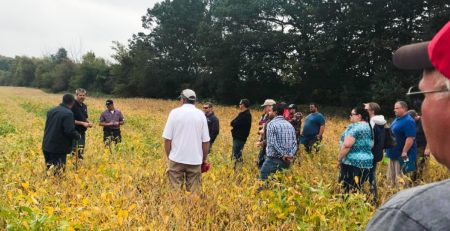
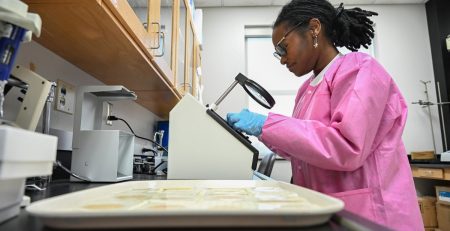
Numerous presentations have been offered in-person and online in Oklahoma providing information on the biology/life cycle of NWS, how to identify it and the extreme costs of managing a potential U.S. outbreak. The state is also using diagnostic laboratories for initial identification and screening of potential NWS samples.
In New Mexico, a statewide effort is underway to assess producers’ knowledge of the screwworm threat and their primary sources of information. With this information they are testing possible messages and developing communications. The goal is to be proactive rather than reactive in providing producers with information on prevention efforts.
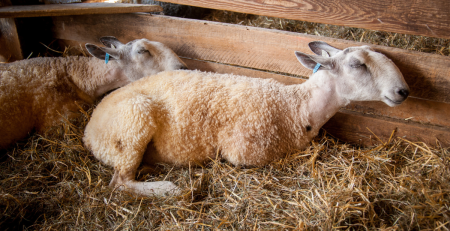
The New World Screwworm impacts all mammals, so in addition to livestock, it is a threat to wildlife, people and pets. Since the United States was declared free of the pest in 1982, the benefit to the nation’s livestock industry has surpassed an estimated $13 billion annually, when adjusted for inflation.
Oklahoma Cooperative Extension Service; New Mexico Agricultural Experiment Station; New Mexico State University Cooperative Extension Service | Projects supported by Smith-Lever (3b&c) capacity funds; state appropriations.