Breeding corn with orange grain high in antioxidant carotenoids
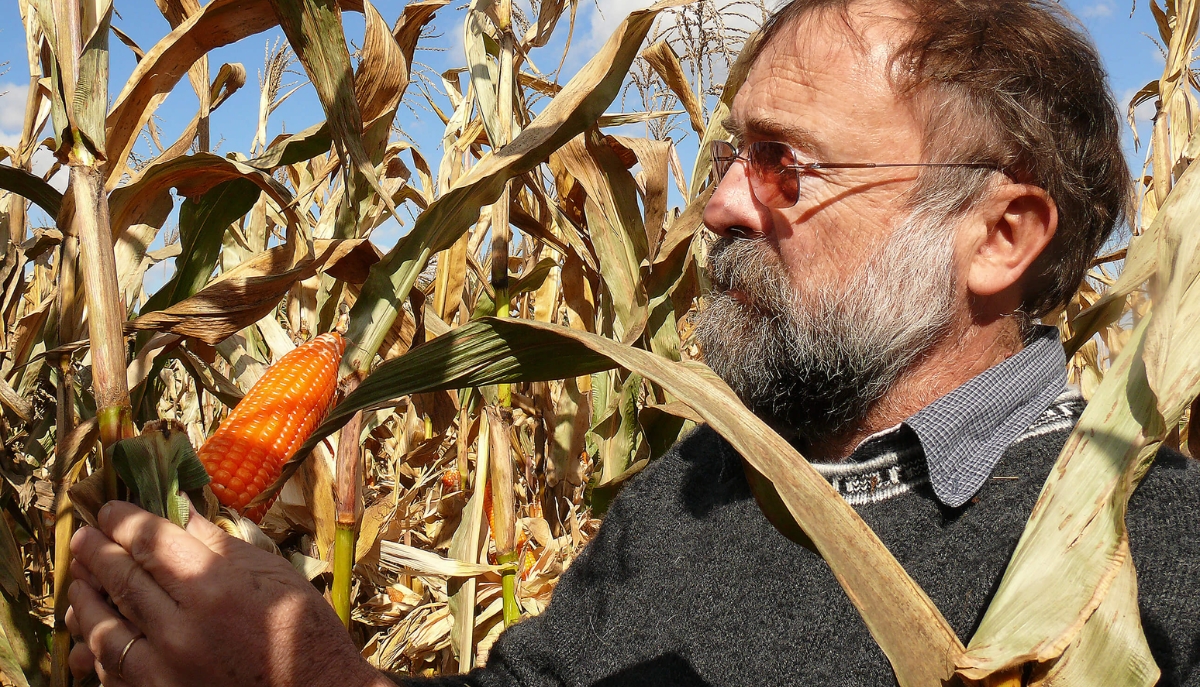
Carotenoids are antioxidant compounds naturally found in plants, but humans cannot synthesize them and must obtain them through diet. In the U.S., there are widespread deficiencies in two key macular carotenoids — lutein and zeaxanthin — which accumulate in the retina and brain. Low levels of these nutrients are linked to poorer visual health, increased risk of age‑related macular degeneration and higher likelihood of developing dementias such as Alzheimer’s disease. To address these concerns, researchers are breeding orange‑grained corn with elevated levels of lutein and zeaxanthin, paired with improved grain yield, to support the creation of nutritionally enriched food products.
Over the past year, researchers at Purdue University in Indiana made significant progress in raising the grain yields of orange corn. Higher yields were achieved both at Purdue’s Agronomy Center for Research and Education and in on‑farm trials across ten Midwestern states. They also expanded research efforts into organic farming systems, resulting in strong yield improvements under organic management.
The primary focus for end‑use has shifted from milled food products to poultry feed, where orange corn can naturally enhance egg yolk color through its carotenoid content. This may reduce or eliminate the need for costly carotenoid supplements, which is especially attractive to organic poultry producers who face high supplement costs and lower typical grain yields. Economic modeling shows that orange corn becomes viable when its yields are within 10% of standard yellow corn hybrids.
Organic on‑farm trials have been especially promising. In Pennsylvania and Iowa, orange corn outperformed the non‑GMO conventional organic hybrids grown on the same farms. Conventional trial results also show improvements, with new experimental hybrids outperforming earlier versions and likely to boost organic system yields in upcoming seasons.
Consumers can already purchase orange corn products online and in stores, increasing public access to foods enriched with beneficial carotenoids and raising awareness about improving the nutritional value of staple crops.
Purdue University Research | Project supported by Hatch capacity funds. Photo courtesy of Natalie van Hoose/Purdue Agricultural Communication.