Developing informed guidelines for safer rice storage
Rice is a crop critical to the food security of citizens in the United States and globally, where half the world’s population relies on rice as a staple. However, an estimated 15% of rice production is lost annually due to contamination from fungi and other harmful organisms. When rice is exposed to high temperatures and humidity in storage, the likelihood of contamination increases and can result in toxic compounds, including mycotoxins known to cause cancer in humans and pose special risks to children’s health.
The window of opportunity is narrow for removing contamination as rice is processed. Aflatoxins are difficult to eliminate, once produced. Even temperatures as high as 200 degrees Celsius (392 degrees Fahrenheit), won’t reliably eliminate aflatoxins.
To address this challenge, researchers with the Arkansas Agricultural Experiment Station, with support from the U.S. Department of Agriculture, studied aflatoxin development in local rough, brown and milled rice, which had been steam-sterilized and non-steam sterilized. The scientists inoculated the different test fractions with Aspergillus flavus, a type of aflatoxin-producing fungus, and measured how temperature, humidity, storage time and moisture affected contamination levels.
Their findings resulted in important guidance for rice storage and processing. Their tests showed that temperature and humidity had the most significant impacts on fungal growth. For example, proper rice storage conditions to reduce the risk of aflatoxin contamination included a temperature below 20 degrees Celsius (68 degrees Fahrenheit) and relative humidity below 75%. The researchers also found that extra fats and carbon in brown rice made it more prone to aflatoxin development, flagging the need for extra attention to management of this valuable product.
View the full statement on the NIDB.
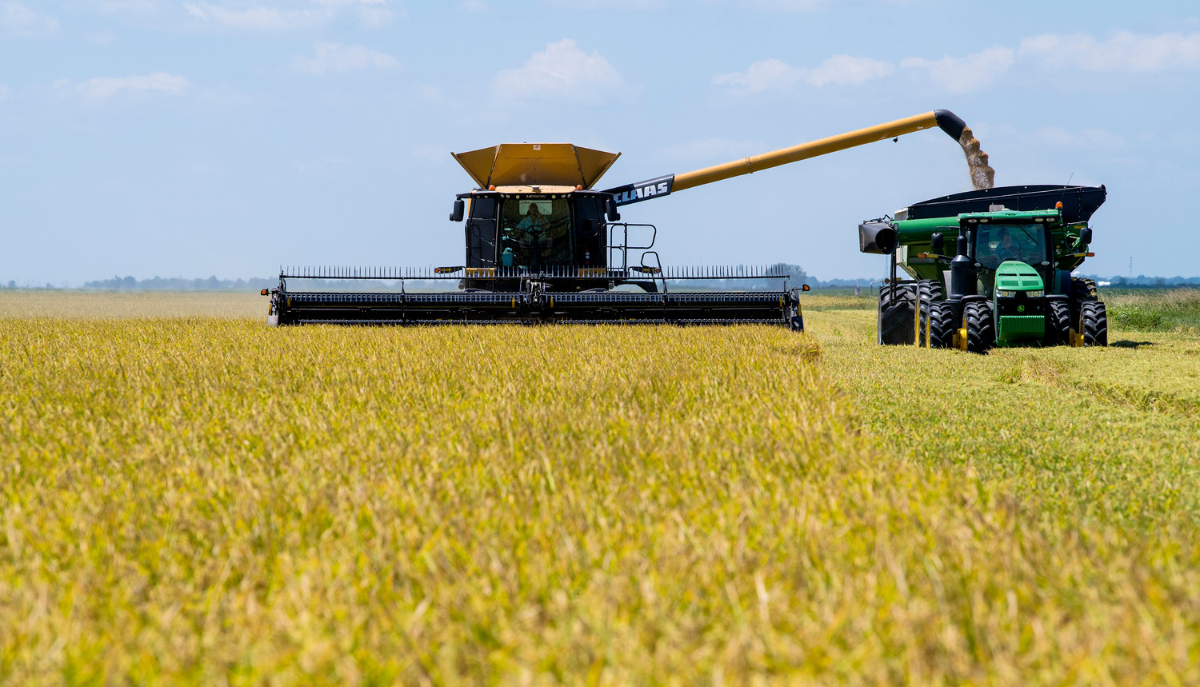
Project supported by Hatch funds and State Appropriations. Photo courtesy of the Arkansas Agricultural Experiment Station.