Expanding rural youth access to biomedical research careers
Rural students often have limited access to immersive STEM experiences that expose them to advanced scientific research and biomedical career pathways. Without early engagement and mentorship, many young people, particularly first-generation college students, lack awareness of academic opportunities in health science and regenerative medicine fields. This gap limits workforce pipeline development and participation in high-demand STEM careers.
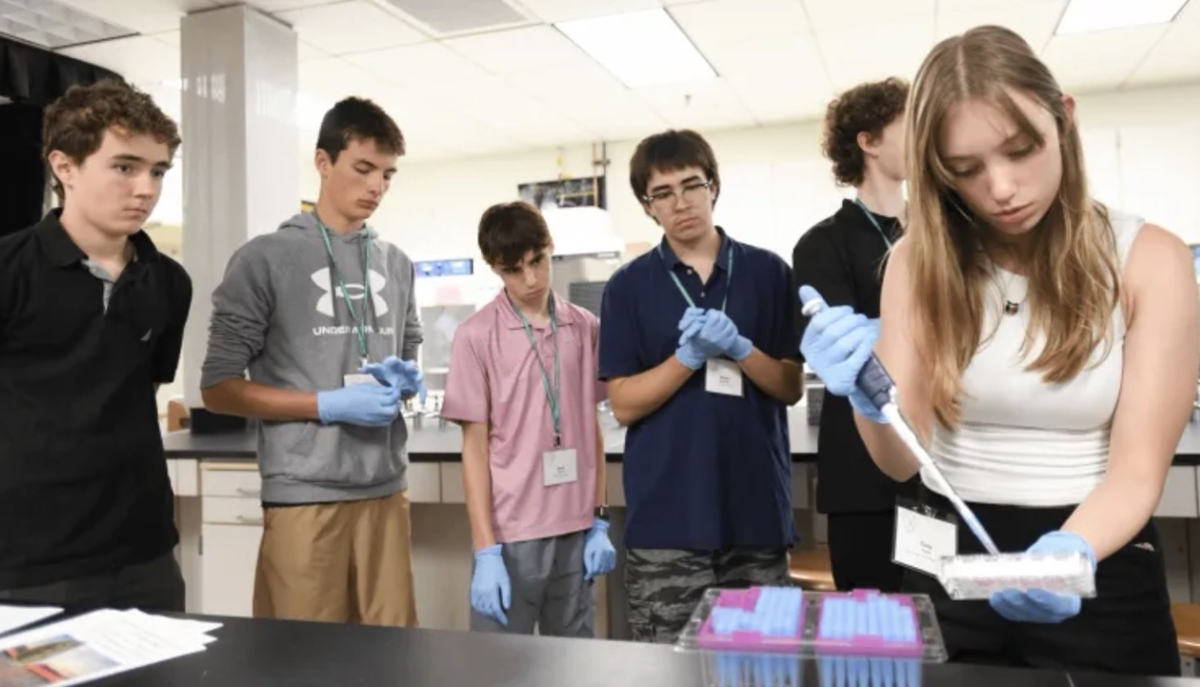
The University of Vermont Robert Larner College of Medicine integrated a dedicated youth education track into its 20th Anniversary Stem Cells, Cell Therapies and Bioengineering in Lung Biology and Diseases Conference in July 2025. Twenty-six high school students participated alongside more than 150 national and international researchers, industry professionals, graduate students and postdoctoral fellows. Students engaged in hands-on laboratory activities, including precision-cut lung slicing, respiratory biomechanics testing and organoid development. The program also provided structured networking opportunities with scientists and academic mentors to introduce students to biomedical research pathways.
Participants gained applied STEM skills, increased understanding of regenerative medicine and direct exposure to professional research environments. Students reported improved confidence in engaging with scientists and stronger interest in pursuing biomedical and molecular science careers. Many participants developed awareness of postsecondary pathways in health sciences that were previously unknown to them.
This program strengthened rural STEM education by exposing youth to advanced research experiences and professional mentorship. It supports long-term workforce development by building early interest in biomedical science careers. Communities benefit from a stronger pipeline of future researchers and healthcare innovators prepared to address complex public health challenges.
University of Vermont Extension | Project supported by state appropriations. Photo courtesy of David Seaver Photography.