The relationship between irrigation and child nutrition
There is an assumption that irrigation automatically leads to better food security. But irrigation doesn’t consistently improve nutrition because regions with sufficient water often use irrigation for export-oriented cash crops, which are less likely to enter the local food system.
A major study had Vermont researchers partnering with other institutions to show that irrigation expansion in the Global South is linked to improved child nutrition — but there is a catch. The greatest benefits occur in regions already facing water scarcity, raising concerns about the long-term viability of irrigation to solve nutrition challenges. The researchers analyzed data from over 70,000 rural households in 26 countries.
As a result of the findings, researchers also recommend several key actions:
- Prioritize water conservation by ensuring irrigation expansion does not outpace local water availability or compete with existing uses.
- Promote nutrition-sensitive planning by directing irrigation toward crops that improve local diets, especially for children in rural areas.
- Safeguard staple food production using regulations or incentives to prevent irrigation from displacing local food crops in favor of exports.
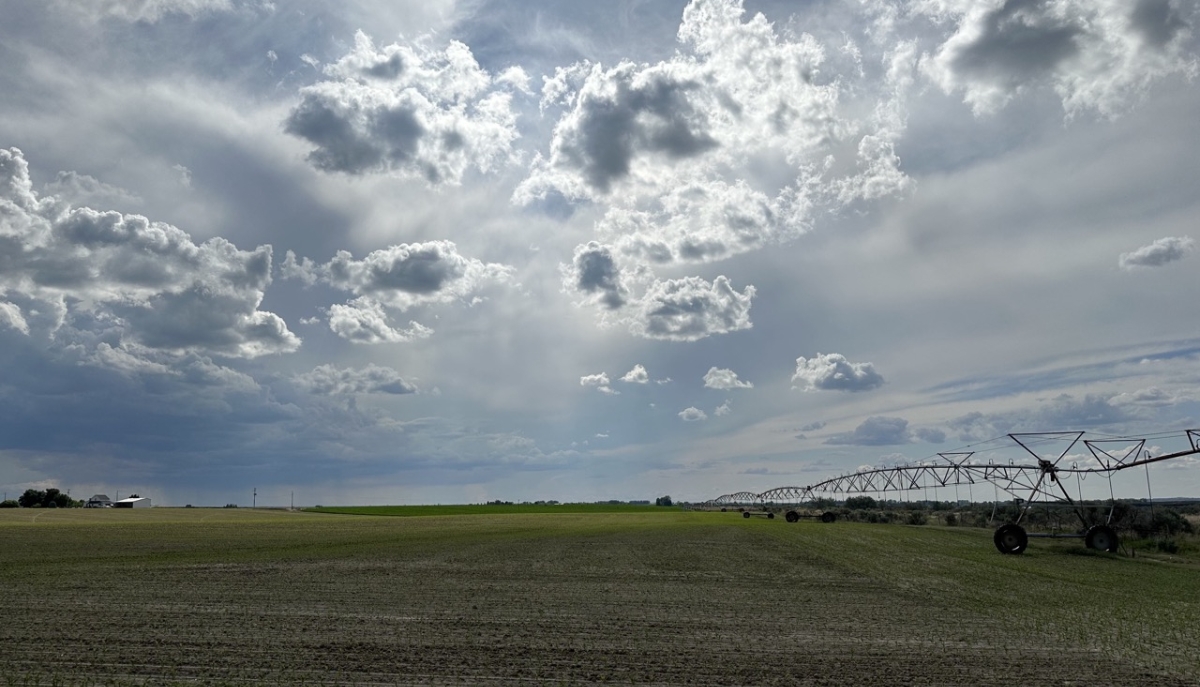
University of Vermont Extension; University of Delaware | Project supported by integrated funds. Photo courtesy of Piyush Mehta/UVM.