Research and development of water-resilient sorghum expands rural economic opportunities in the West
In water-limited agricultural landscapes of the West, sustaining food crops for beef and dairy has become increasingly challenging. Traditional feed crops such as maize and alfalfa require large amounts of water, threatening herds and pushing researchers to explore more resilient alternatives.
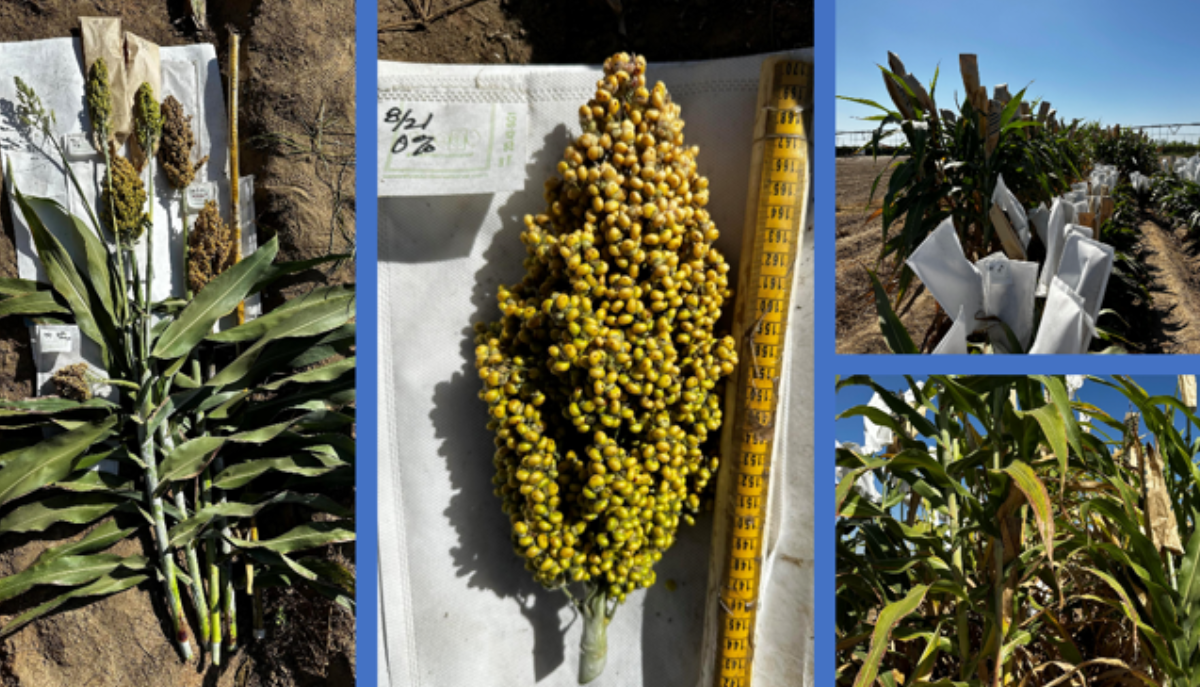
As a result, scientists with the Nevada Agricultural Experiment Station are combining genetic improvements and precision agriculture to improve yields and nutritional value of sorghum, a naturally drought-tolerant crop.
Through a multiyear study, researchers combined genetic selection with remote sensing technology to measure above- and below-ground plant traits under varying irrigation regimes. The work identified water-efficient sorghum varieties that maintained strong yields, improved protein and starch levels and enhanced palatability for animal feed and other food uses.
A second study paired these advances with precision irrigation and crop monitoring techniques, allowing researchers to fine-tune water use based on plant growth above- and below- ground.
As demand grows for specialty grains such as non-GMO and gluten-free products, this research offers producers a path to more resilient, water-efficient farming and access to emerging, high-value specialty markets, expanding economic opportunities in rural areas.
Nevada Agricultural Experiment Station | Project supported by integrated funds; non-profit grants and contracts. Photo courtesy of Nevada Agricultural Experiment Station.