Near-peer mentors expand 4-H program reach in Tennessee
While Tennessee 4-H serves over 140,500 youths across the state, many rural communities and communities with limited resources do not have the same programs that give youths high-quality experiential learning opportunities in STEM, agriculture and leadership. Summer 4-H camps help bridge this programming gap but staffing and capacity constraints limit potential impact.
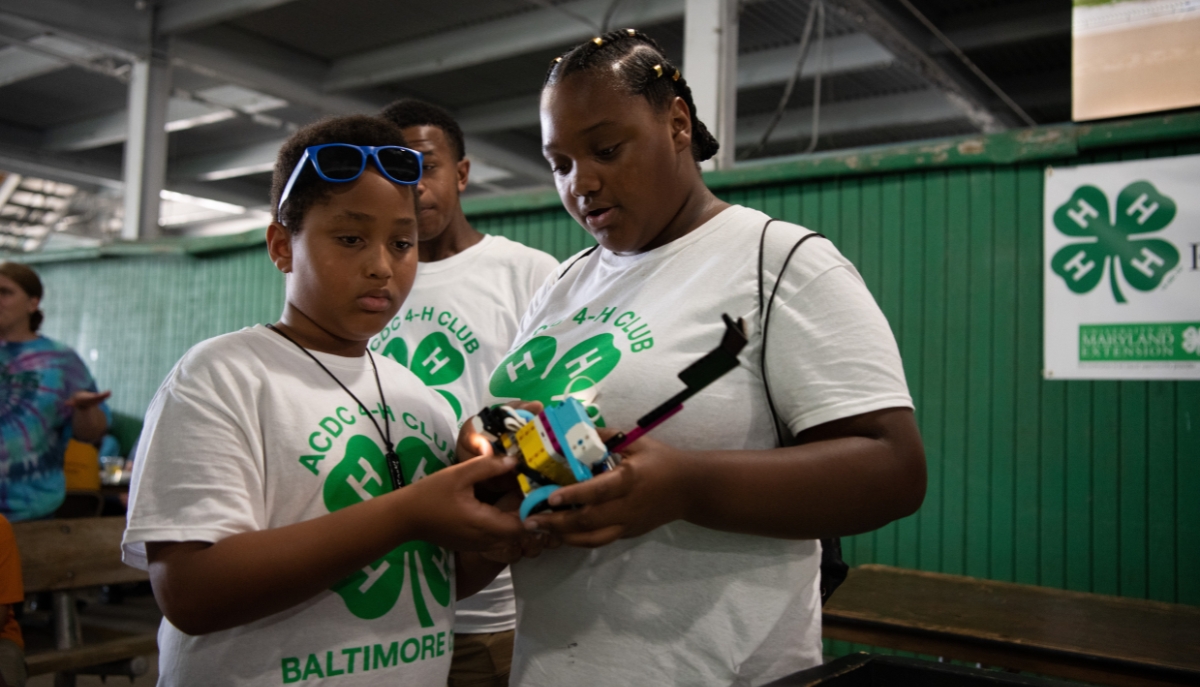
In 2025, six Tennessee State University (TSU) NEXTGen interns helped address this resource shortage by serving as near-peer mentors at Tennessee 4-H camps. These interns helped with daily camp programming, supervised youth attendees and provided STEM and agriculture instruction and leadership development experiences.
The NEXTGen interns directly supported 2,922 youth across the state, improving the reach and quality of 4-H camp programs. With better staff-to-youth ratios, programs ran more efficiently and Extension personnel experienced reduced instructional burden. Extension staff and camp leaders reported increased youth participation and engagement in STEM, agriculture and leadership activities, as camp youths benefited from the additional support of near-peer mentorship.
Serving as near-peer mentors provided workforce-relevant competencies and skills in teaching, youth development, Extension and agriculture education and leadership facilitation. The TSU NEXTGen interns are better prepared to be future educators and Extension professionals after their experience supporting Tennessee 4-H youth summer camps.
Tennessee State University Agricultural Research and Extension Center | Project supported by 1890 Extension capacity funds; USDA competitive funds. Photo courtesy of Christophe Paul/USDA.