Trainings aim to reduce pesticide contamination in urban waterways
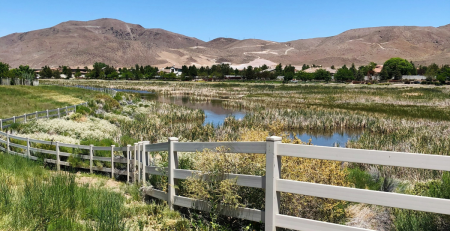
Nevada’s population is growing significantly, particularly in urban regions. Pesticide residue in waterways – especially from products used for nonagricultural purposes – underscores the need for education among landscape professionals, pesticide applicators and residents controlling pests in urban areas.
Over the last decade, University of Nevada Cooperative Extension has developed integrated pest management (IPM) education that has led to a substantial reduction in pesticide residues detected in urban sites across Nevada. Programs have included a bilingual training program for Spanish-speaking landscapers and their supervisors and a noxious weed training curriculum.
Through IPM, Extension has brought attention to the challenges faced by Nevada’s diminishing waterways, emphasizing pesticide-free, alternative landscape management practices.
The program has fostered intercultural appreciation and language diversity by introducing bilingual materials, specifically catering to Nevada’s Hispanic residents and promoting English as a second language. In addition to its educational impact, the program has successfully expanded Extension’s partnerships with regional institutions and government agencies.
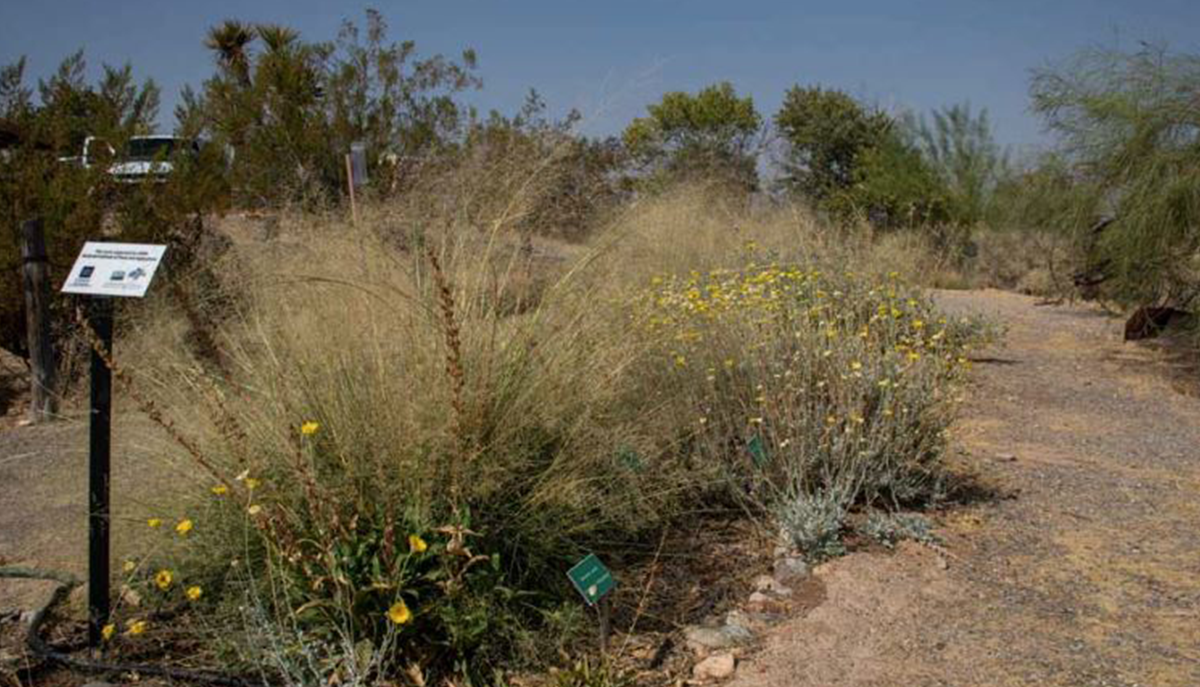
Project supported by USDA Capacity – Extension funds. Photo courtesy University of Nevada Cooperative Extension.