Smart irrigation helps farmers save water
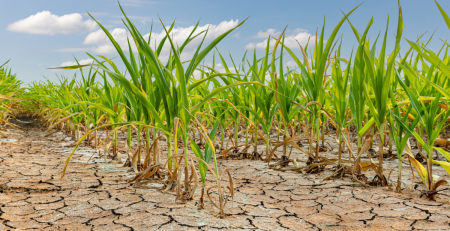
Many farmers rely on traditional methods to decide when to irrigate their fields, using visual cues like wilting leaves or the feel of dry soil. But these methods lack the precision necessary to preserve water resources and may not meet the needs of crops.
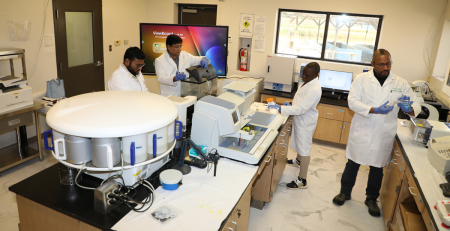
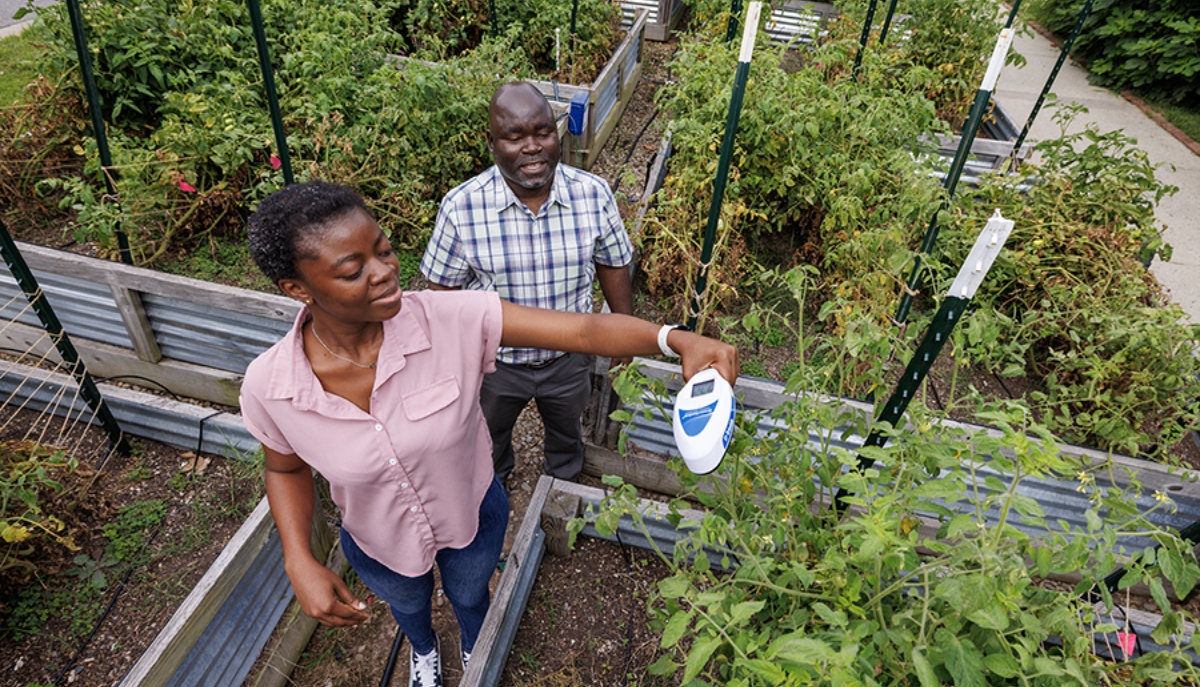
North Carolina A&T Cooperative Extension researchers are using sensor technology and soil data to help farmers determine when to water. The project includes computer crop modeling, which uses local weather and soil data to simulate outcomes for different irrigation scenarios. The research team tested sensors of varying prices to measure the amount of water in the soil or its “matric potential,” the resistance to water uptake by plant roots in the soil that is measured in kilopascal (kPa). The group installed sensors in raised tomato beds, experimenting with three watering thresholds: watering when the soil is just starting to dry out (15 kPa), letting it get drier (45 kPa) and watering based on what the plant looks like.
Data from the 2024 and 2025 growing seasons for tomatoes showed no significant differences in yield among the three treatments. By using soil electrical resistance sensors, some of which cost around $45 and come with a simple handheld reader, farmers can determine more precisely their crops’ water needs and conserve water.
The researchers, along with Extension specialists and staff, highlighted their research results at irrigation management workshops for approximately 100 growers and Extension agents. Growers expressed strong interest in adopting sensor-guided irrigation to reduce water use, labor demands and uncertainty in irrigation timing.
North Carolina A&T Cooperative Extension Program | Project supported by Evans-Allen capacity funds. Photo courtesy of N.C. A&T State University Department of Natural Resources and Environmental Design.