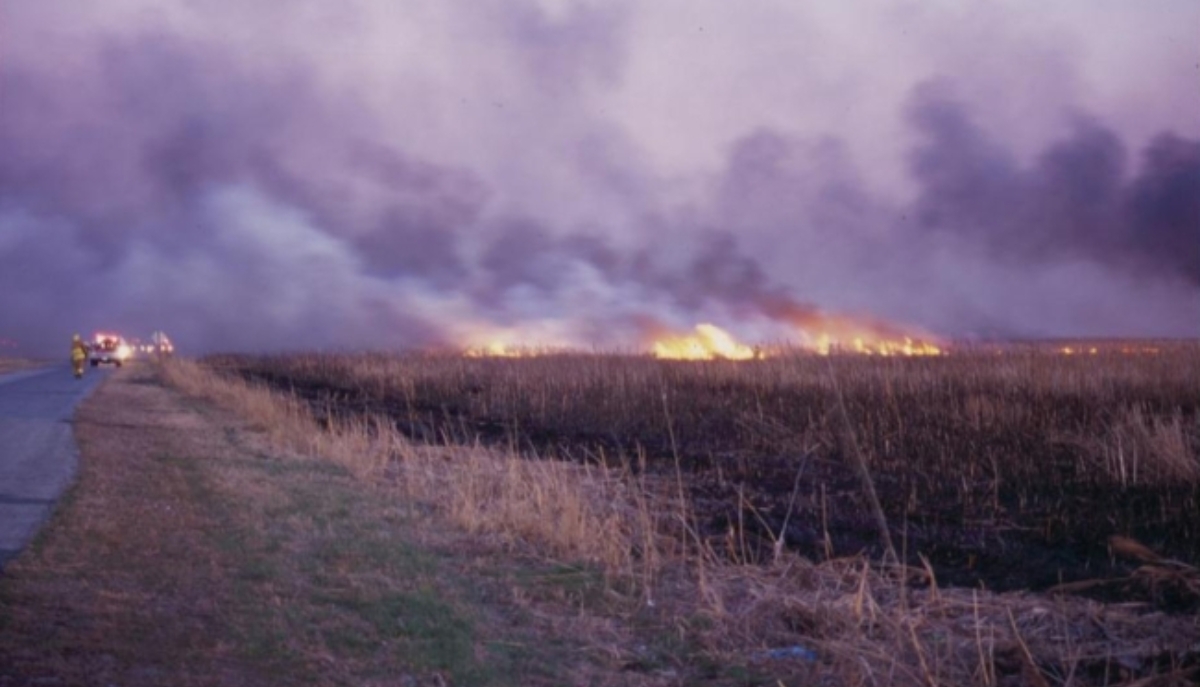
Utah researchers investigate connection between wildfires, floods
Many people might assume that streams and reservoirs aren’t affected by wildfires. But uncontrolled blazes can threaten these water sources, which are essential for agriculture, wildlife and families.
When vegetation is lost during a fire, exposed soil becomes highly vulnerable to erosion. Subsequent storms can then wash sediment, woody debris and excess runoff into nearby waterways, altering water flow and increasing the risk of flash flooding. Because much of the nation’s water infrastructure was built before wildfire driven erosion was widely understood, many towns and cities are now situated in high-risk areas.
To better anticipate where these threats are greatest, researchers at Utah State University deployed advanced modeling tools to evaluate postfire impacts across the state. By integrating geospatial data, watershed characteristics and historical erosion patterns, the team developed models capable of tracking sediment movement, estimating flood likelihood and predicting how much material may accumulate in downstream reservoirs. Data from 18 recent fires in the Intermountain West strengthened the accuracy and relevance of these projections.
Using these models, scientists assessed the wildfire vulnerability of Utah’s 137 largest reservoirs and evaluated treatment or mitigation options for 13 high-priority watersheds. The results confirmed that postfire erosion can significantly reduce reservoir storage capacity, increase flood hazards and complicate water treatment processes. In extreme cases, reservoirs may lose up to 20% of their storage volume following major burns.
This research provides critical guidance for emergency response, watershed restoration and infrastructure planning — helping land managers, communities and policymakers better protect water supplies, reduce flood risks and safeguard habitats and recreational waterways for future generations.
Utah Agricultural Experiment Station | Photo courtesy of U.S. Fish and Wildlife Service.