Tag - Wildlife

Topic

Vegetables for sale at a farmers market stand.

Research and Extension ensure everyone has ample access to affordable, safe, nutritious food

Invasive pests damage crops, costing U.S. agriculture an estimated $30 billion every year. Pest management research and Extension stabilize the food supply chain. Researchers and Extension specialists in Oregon, developed cost-effective alternatives to glyphosate for herbicide-resistant Russian thistle control, protecting more than 30,000 acres of wheat and preventing over $1 million in yield losses so far.Oregon State University Extension Service. [...]

Read more...
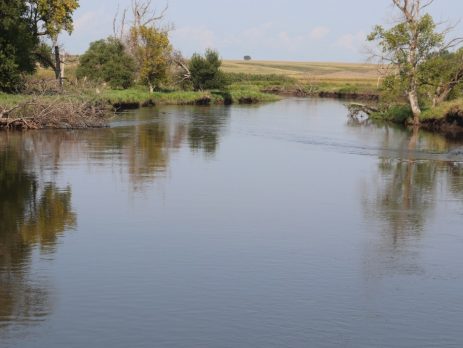
A river bisects a field and forested riparian area

Research and Extension support resilient ecosystems

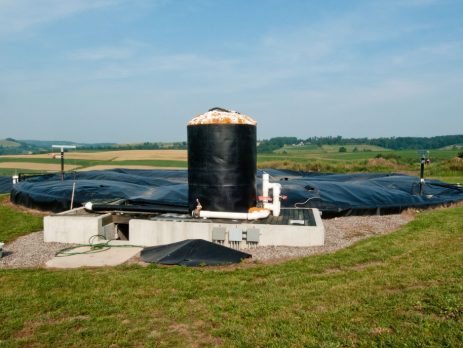
Recent studies and programs are conserving and protecting water used for drinking, fishing, irrigation and recreation.  Washington research helped establish 25 anaerobic digesters across the Pacific Northwest, turning dairy manure from more than 143,000 cows into biogas that provides more than 126 million kilowatt-hours of renewable energy per year. Digesters decrease water quality risks associated with nutrient runoff from manure [...]

Read more...

Land-grant university research and Extension drive new biofuels, bioplastics, biochar and other bio-based products, strengthening rural economies, environmental health and energy security

Here are a few examples of that work:  Partnering with a private company, scientists in Pennsylvania roduced and tested biomaterials to replace single-use, petroleum-based plastics. New composites made from cellulose and starch have improved stability and barrier properties and have been developed into compostable food packaging and handling products; adhesives and foams for packaging, wood composites and construction materials; and [...]

Read more...
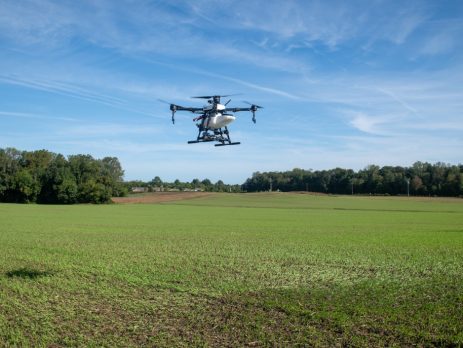
A drone flies over a field.

Research and Extension make agricultural systems more efficient, profitable, competitive and resilient

Strategies and tools for managing crop pests and diseases have increased productivity and profitability. For example: Extension units across the nation offer plant and pest diagnostic clinics. In New Mexico, free diagnoses saved producers an estimated $36,000 in testing fees in 2025, while also supporting biosecurity and export compliance. In Indiana, lab results and recommendations saved clients $890,000 in reduced [...]

Read more...
screwworm fly

The U.S. prepares for a potential screwworm outbreak

As a New World Screwworm (NWS) outbreak spreads from Central America to Mexico, states in the Southwest are ramping up efforts to raise awareness among livestock producers of the current status, management methods and the impacts this devastating pest may have on livestock in the event of a U.S. outbreak.  Numerous presentations have been offered in-person and online in Oklahoma [...]

Read more...

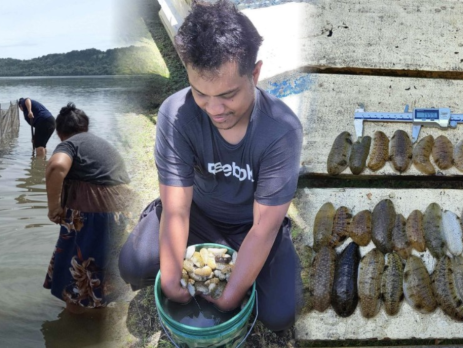
Making aquaculture more productive, safe and economical

The seafood industry is economically vital and provides an important source of protein for the world. Challenges to aquaculture include inefficient production methods, expensive feed inputs and food safety. Land-grant efforts are protecting and promoting this booming industry. Here are a few examples of that work: As feed is the most expensive cost of aquaculture, researchers in Alabama are developing feeds [...]

Read more...
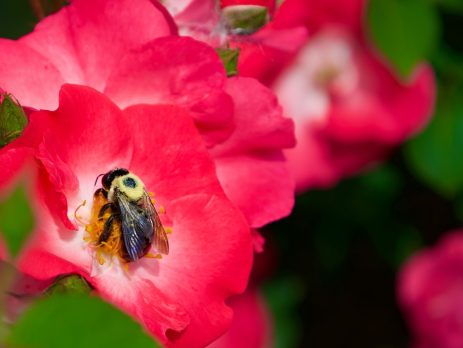
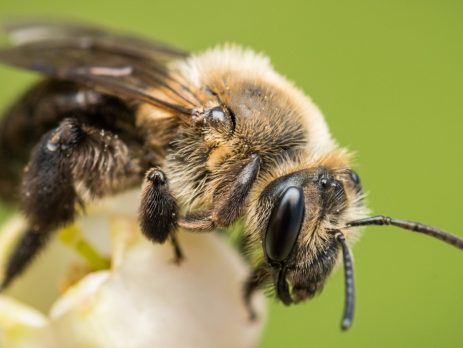
bee on a flower

Integrated approach identifies bee protection opportunities in rural, urban areas

Bees are essential pollinators for many fruits, vegetables and ornamental plants. Continuing declines in their populations jeopardize crop yields, food security and biodiversity. Over 400 bee species live in Ohio, including the federally endangered Rusty Patched Bumble Bee (RPBB), but they are threatened by pesticides, diseases, habitat degradation, heavy metal pollution and changing weather patterns.   Ohio State University researchers assessed [...]

Read more...
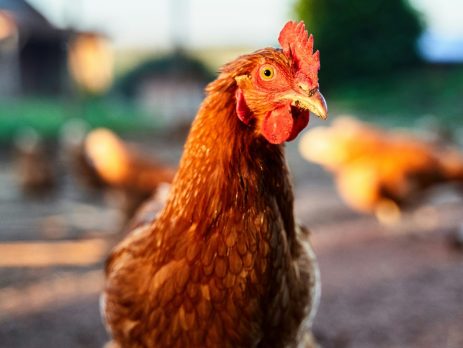
chicken

Artificial intelligence helps protect from Avian influenza

In the fight against the costly impacts of avian influenza, protecting poultry flocks from contact with wild birds is an important deterrent. However, the methods for effectively controlling wild birds are limited. In Georgia, researchers developed a novel method for detecting wild birds on farms, using night vision technology and artificial intelligence.  To aid in monitoring wild bird activities near [...]

Read more...
a chicken being held about to receive a swab test

Producers learn to manage for bird flu during outbreak

Highly pathogenic avian influenza, also known as bird flu, plagues the U.S. poultry industry. In addition to poultry impacts, the dairy industry experienced a spillover event and a one-time occurrence was identified in pigs.  Because of the changing nature of the outbreaks, Purdue Extension in Indiana worked with other state agencies to provide up-to-date information to animal producers, Extension educators [...]

Read more...
Bennett Trust logo

Land stewardship program strengthens Edwards Plateau

With a goal to empower landowners to care for the Edwards Plateau, the Bennett Trust Land Stewardship program at Texas A&M AgriLife Extension provides practical, research-based guidance emphasizing conservation, sustainable ranching and natural resource management.  The annual Women’s Land Stewardship Conference has drawn over 350 women from a variety of backgrounds, equipping them with a practical tool for brush control, [...]

Read more...
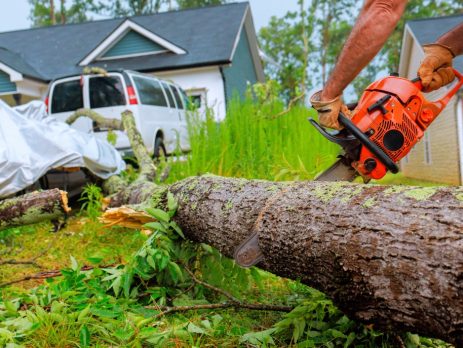
Worker cuts down fallen tree with chainsaw in suburban neighborhood after storm

Disaster response and recovery: partnering in times of local community need

As threats from wildfire and extreme weather increase, producers and communities need information to help prepare and resources to support recovery once impacted. Land-grant universities are responding with tools, resources, communications and staffing support that will strengthen resilience and long-term recovery. Here are a few examples of that work: In response to impacts from Hurricane Helene, Extension in Georgia mobilized to [...]

Read more...
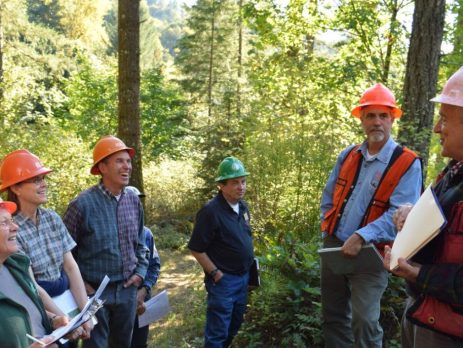
OSU Extension Master Woodland Managers attend a workshop.

Protecting private forests by growing good stewardship

More than half of forest land in the United States is privately owned. This land produces nearly all of the harvested timber that is used for building houses or made into forest products. Practicing good stewardship of private lands is important for ecosystem and community health. Because the more than 10 million private owners of these lands are often [...]

Read more...
mouse

New Hampshire researchers study how small mammals adapt when forest seed cycles shift

Interactions between plants and animals are key to the biodiversity and long-term ecological resilience of forests. Small mammals such as mice, voles and shrews play an essential role in this system by dispersing seeds, allowing new trees to grow. Because seed production can fluctuate dramatically from year to year, especially during large “masting” events, understanding how these animals adjust [...]

Read more...
bee

Leveraging a highly trained volunteer network to document bee biodiversity

Many high-value crops such as flowering fruit trees, berries and vegetables rely on native bee populations, but these critically important pollinators are declining nationwide. Scientists can monitor the diversity and abundance of species using data collected across broad geographic ranges through public natural history social platforms such as iNaturalist. The challenge, however, is that photography-based monitoring can introduce unintended [...]

Read more...
a lake

Strengthening water quality across landscapes

Access to clean, reliable water for communities, ecosystems and agriculture is increasingly threatened by issues such as nutrient pollution and emerging contaminants. Land‑grant universities are addressing these challenges through innovative research and hands‑on Extension programming that empowers volunteers, land managers and future water‑quality stewards. Here are a few examples of that work: Researchers in Montana found evidence that wetland conservation can [...]

Read more...
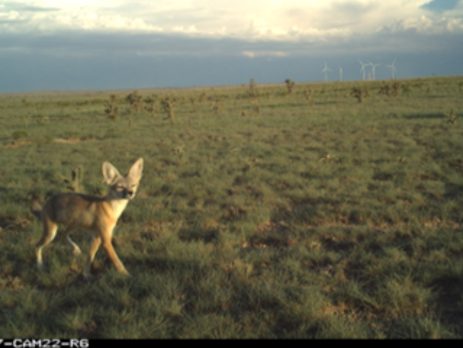
fox on a trailcam with wind turbines in the background

How wind energy affects land mammals’ habitat selection

Renewable energy is an important source of electricity around the world. Wind energy facilities are among the fastest-growing forms of renewable energy, and they’re usually built in areas with the highest wind speeds. However, installing these turbines and maintaining these facilities can affect wildlife in the area. Birds and bats have died at wind energy facilities, but not much [...]

Read more...
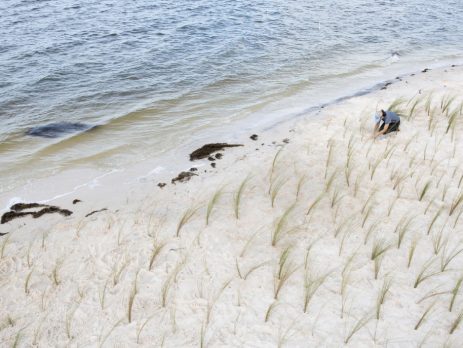
aerial view of an agent planting seagrass

Fighting coastal erosion with nature-based shoreline solutions

More than half of Florida’s waterfront property owners have constructed seawalls and bulkheads to protect against erosion and flooding. These armored shorelines provide some protection but are known to fail during extreme weather events and can disrupt waterflow as well as interfere with marine life.  Extension agents with the University of Florida and the Florida Sea Grant developed two multi-day [...]

Read more...
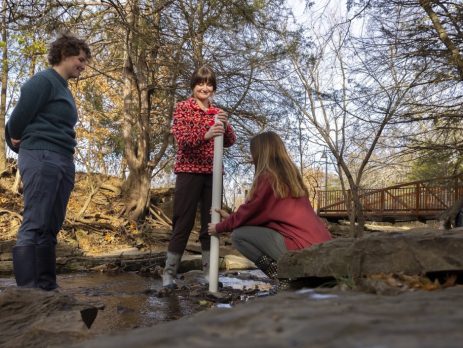
Three women stand in a shallow creekbed. One watches as the other two use a large plastic pipe to collect water samples.

Arkansas researchers study environmental effects of de-icers

Winter road safety depends heavily on salt-based deicers, but there are concerns about how their use is contributing to increased salinity in streams and affecting aquatic ecosystems. Beet brine, which is made from a mixture of salt and beet molasses, has emerged as a potential alternative because it reduces overall salt application. But unlike traditional road salt, beet brine [...]

Read more...
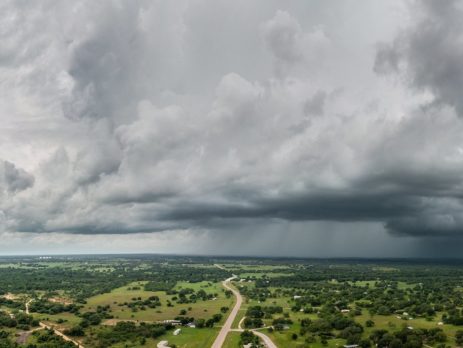
storm over farmland

Preparing for extreme weather

Extreme weather can affect communities, farms, businesses and livelihoods. These weather events, such as drought, wildfires and flooding can pose harm to people, livestock, plants and water quality. As extreme weather becomes more frequent and more intense, land-grant universities are equipping farmers, ranchers and communities with the proper tools to be prepared for and recover from its impacts. Here are [...]

Read more...
a purple flowering plant

Research provides more sustainable pest management options

Agricultural land and natural ecosystems face growing threats from invasive and noxious grasses and weeds, feral animals, pests and diseases that impair ecosystem services and agricultural productivity. Chemical pesticides can pose human and environmental health risks. Land-grant university research had led to findings, tools and strategies for managing pests more sustainably. Here are a few examples of that work: Research and [...]

Read more...
ducks

Protecting biodiversity for healthy ecosystems and communities

Biodiversity supports healthy ecosystems and recreation around the world. A diverse range of species ensures stability and resilience in the face of environmental changes. Protecting biodiversity also preserves the opportunity for new discoveries, such as species that can be used as biological pest control agents or medicines. Land-grant university researchers and Extension professionals are working to protect the biodiversity [...]

Read more...
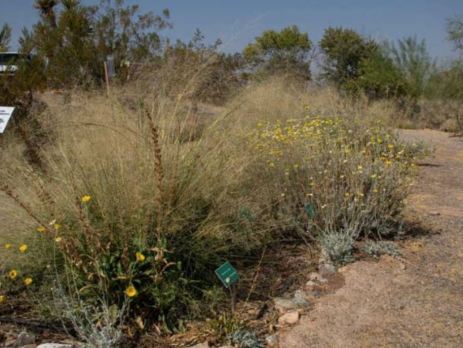
flowering plants growing in the desert

Extension programs help producers, communities manage pests sustainably

Agricultural land and natural ecosystems face growing threats from invasive and noxious grasses and weeds, feral animals, pests and diseases that impair ecosystem services and agricultural productivity. Chemical pesticides can pose human and environmental health risks. Extension educators at land-grant universities help agricultural producers and communities develop and implement pest management strategies that are cost-effective but also minimize risks. Here [...]

Read more...
a small body of water

Protecting valuable water resources

Water resources that sustain agriculture and communities continue to face critical challenges. Land-grant universities are working to discover new ways to increase water use efficiency, reduce water use and protect water quality. Here are a few examples of that work: Researchers at Cornell University in New York engineered novel enzymes that can break down microplastics into small products that can be [...]

Read more...
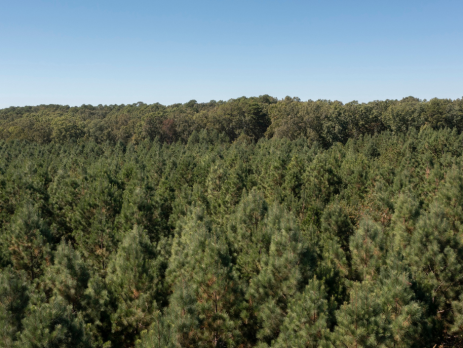
a forest

Preserving and managing our forests

Forests provide a variety of goods, including food, lumber, and paper. They also provide wildlife habitat as well as green space and recreation. As natural carbon sinks, forests absorb carbon dioxide from the atmosphere and store carbon in soils. But rising temperatures, pests and diseases pose threats to forests. Researchers, Extension professionals and educators at land-grant universities across the [...]

Read more...
two people sawing a tree

Volunteers help protect and restore local environments

Land-grant universities across the United States are finding ways to engage the public in science and stewardship that address real-world problems in their communities. With training and tools, volunteers are able to collect important data that help scientists, natural resource organizations, community members and the government protect and restore land, air and water resources — and the ecosystem services [...]

Read more...