Leveraging a highly trained volunteer network to document bee biodiversity
Many high-value crops such as flowering fruit trees, berries and vegetables rely on native bee populations, but these critically important pollinators are declining nationwide. Scientists can monitor the diversity and abundance of species using data collected across broad geographic ranges through public natural history social platforms such as iNaturalist. The challenge, however, is that photography-based monitoring can introduce unintended bias in the training data and may fail to capture the full picture of biodiversity.
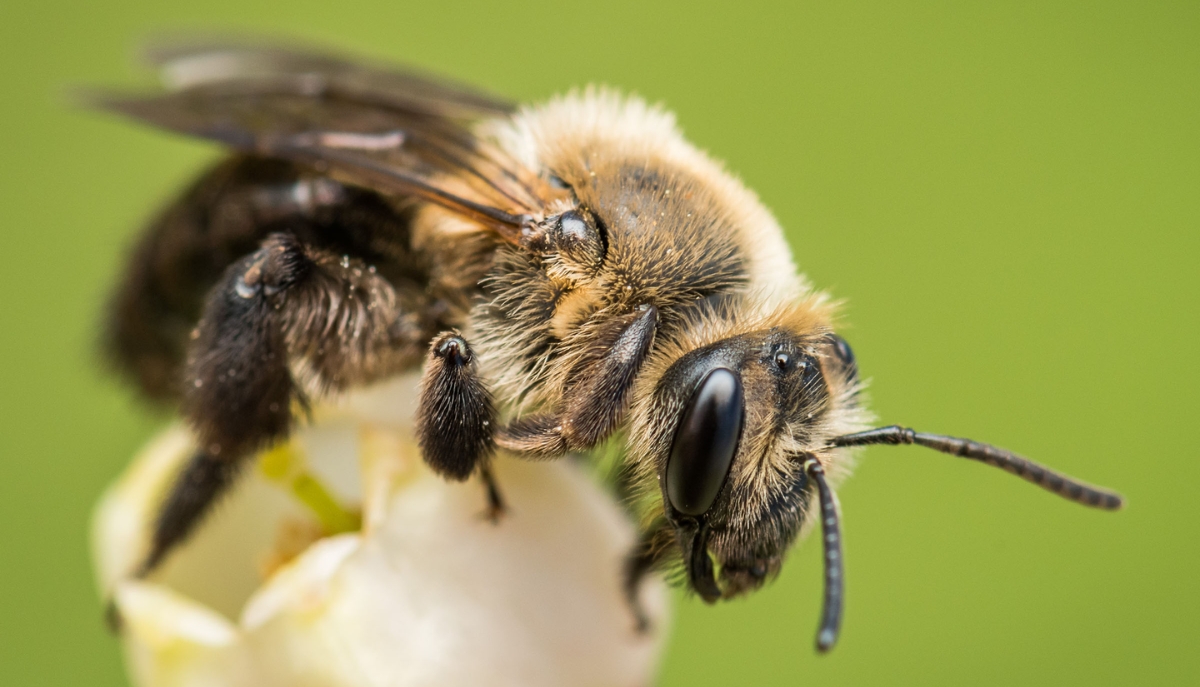
Scientists at Pennsylvania State University recruited participants, mostly Master Gardeners, from across the Commonwealth to participate in intensive training for identifying and collecting samples of bee species. Twenty-six participants collected 9,062 bees over 14 months, documenting more than twice as many species than the data collected from iNaturalist observations during the same period. The community scientists reported multiple new species of bees not previously documented in Pennsylvania, illustrating the value of community science in helping to improve our understanding of the pollinator biodiversity that supports local food production.
The scientists added the data from the project to public databases, providing critical information for the scientific community at large with valuable information on regional patterns of biodiversity and abundance of the more 450 species found in the state. Their work also demonstrates how meaningful partnerships with local communities can serve as a model for other programs and future volunteer-based efforts to protect biodiversity.
Pennsylvania Agricultural Experiment Station | Project supported by Hatch capacity funds. Photo courtesy of Pennsylvania Agricultural Experiment Station.