Tag - University of Maryland Eastern Shore

Institution

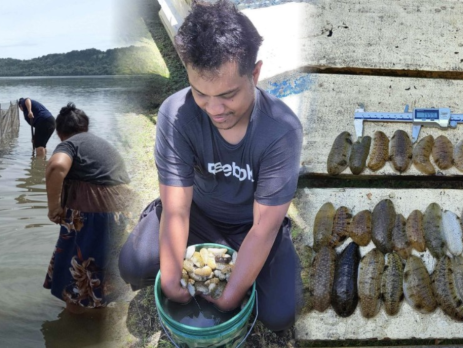
Making aquaculture more productive, safe and economical

The seafood industry is economically vital and provides an important source of protein for the world. Challenges to aquaculture include inefficient production methods, expensive feed inputs and food safety. Land-grant efforts are protecting and promoting this booming industry. Here are a few examples of that work: As feed is the most expensive cost of aquaculture, researchers in Alabama are developing feeds [...]

Read more...
farmers watch a demonstration at a field day

Hands-on learning through trials and demonstrations

Lack of awareness and understanding of the latest research and technologies can impact profitability on small farms. Land-grant universities provide hands-on learning opportunities where producers can learn from one another, see real-time demonstrations and learn about the latest research trials to support decision-making. Here are a few examples of that work: Turmeric, a tropical plant that thrives in Guam, has been [...]

Read more...
Tahirah Johnson examines testing samples under a magnifying glass in a research lab on the University of Maryland Campus in 2024.

Innovative methods for safer, healthier food production practices

Regional food production is critical to local economies and supporting American food systems. Rising reports of foodborne illnesses, increased antibiotic resistance and newer production systems like soilless agriculture necessitate a better understanding of the risks and options to improve the safety and health value of food products from produce to shellfish and tree nuts. 1890 land-grant universities are examining [...]

Read more...
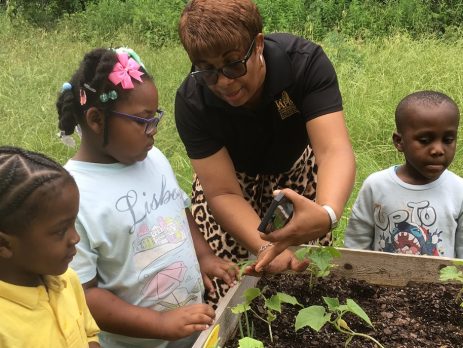
preschoolers look at plants in a raised bed

Strengthening youth development through experiential learning

Experiential learning equips young people with hands-on skills, critical thinking abilities and real-world problem-solving experiences that strengthen academic success, workforce readiness and lifelong learning. Through community-based programs, 1890 land-grant universities play a vital role in ensuing opportunities by connecting research, Extension, and education to support youth and prepare the next generation of leaders. Here are a few examples of that [...]

Read more...
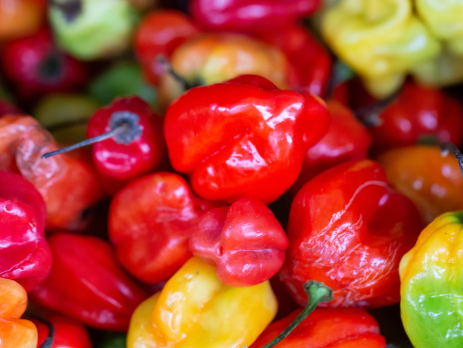
peppers

Land-grant universities foster community, student resilience

The 1890 land-grant universities are committed to strengthening communities, farmers and students through meaningful outreach initiatives. Their engagement ensures that resources are tailored to meet local needs such as food security and economic development. Through these efforts, the universities are fostering more resilient communities for generations to come. Here are a few examples of that work: A food bank needs assessment [...]

Read more...
a hand touches a growing plant

Extension, Food Bank partner to satisfy food demand, while opening economic opportunities to local farmers

A Maryland Food Bank needs assessment showed a growing desire for more non-native vegetables. An alternative crop specialist with the University of Maryland Eastern Shore Extension noted the economic opportunity for farmers. Alternative crops are high value, creating a niche market that sets small-scale farmers apart from commercial growers and increases their income potential. In 2023, the alternative crop specialist [...]

Read more...
two scientists take a sample

Land-grant universities drive sustainability through innovative agricultural practices

The 1890 land-grant universities are dedicated to improving the well-being of economically challenged communities. By focusing on sustainable practices, these institutions help address key challenges like food security, environmental stewardship and economic resilience. Through research, Extension and education, they equip farmers and communities with innovative techniques that preserve resources for future generations. Here are a few examples of that work: Researchers [...]

Read more...
the torso of a person checking something off on a clipboard

Research and education combine to fight food contamination

The U.S. Centers for Disease Control estimate that 48 million people become ill from foodborne illnesses annually, resulting in 3,000 deaths. Through research and education, land-grant institutions are working to reduce the pathogens contained in food and increase food security. Here are a few examples of that work: In Vermont, a certification program known as CAPS+ was developed to assure retailers [...]

Read more...