Tag - Alabama

State/Territory

young child walking in strawberry patch

Land-grant university research and Extension support resilience for youths, families and communities nationwide

Here are a few examples of that work:  The effectiveness of the Department of Defense’s Military Family Readiness System depends on well-trained Extension professionals with research-based tools and resources. Extension specialists in Kentucky contributed by providing personal finance training to military service providers so they can pass on knowledge, tools and resources that help military families prevent and navigate financial [...]

Read more...
Healthy foods and exercise equipment.

Land-grant university research and Extension strengthen nutrition, health and well-being

Chronic diseases are the leading cause of illness, disability and death in America. Research and Extension are fighting back. Over half of adults who participated in a Texas diabetes education program now choose healthier foods, monitor glucose levels during exercise, and control their diabetes to avoid interference with daily life. These changes could help participants save up to $94,021 in [...]

Read more...
Vegetables for sale at a farmers market stand.

Research and Extension ensure everyone has ample access to affordable, safe, nutritious food

Invasive pests damage crops, costing U.S. agriculture an estimated $30 billion every year. Pest management research and Extension stabilize the food supply chain. Researchers and Extension specialists in Oregon, developed cost-effective alternatives to glyphosate for herbicide-resistant Russian thistle control, protecting more than 30,000 acres of wheat and preventing over $1 million in yield losses so far.Oregon State University Extension Service. [...]

Read more...
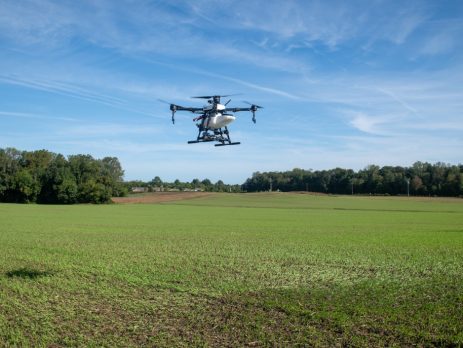
A drone flies over a field.

Research and Extension make agricultural systems more efficient, profitable, competitive and resilient

Strategies and tools for managing crop pests and diseases have increased productivity and profitability. For example: Extension units across the nation offer plant and pest diagnostic clinics. In New Mexico, free diagnoses saved producers an estimated $36,000 in testing fees in 2025, while also supporting biosecurity and export compliance. In Indiana, lab results and recommendations saved clients $890,000 in reduced [...]

Read more...
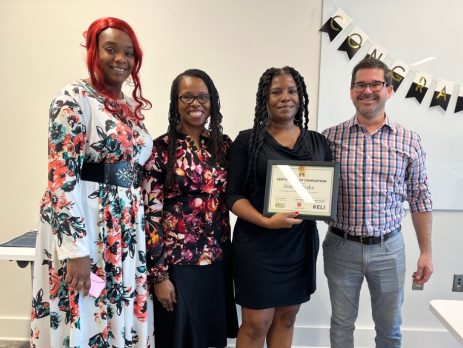
smiling program participant with a certificate

Extension program empowers Alabama entrepreneurs to build successful businesses

Business failures in Alabama mirror national patterns, often fueled by poor planning, weak financial management, ineffective marketing, cash flow problems and ineffective leadership.  According to the U.S. Bureau of Labor Statistics and Lendio, 23.5% of businesses in Alabama fail within the first year, 45.6% fail within the first 5 years and 63.9% fail within the first 10 years.  To help aspiring [...]

Read more...
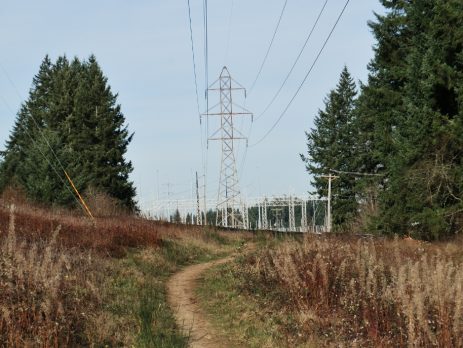
power lines in a field

Connecting communities through digital skills, broadband initiatives

Extension programs at land-grant universities address community needs nationwide by expanding digital infrastructure, supporting economic development and building technology skills. These efforts strengthen educational connections and learning opportunities for families, youths and older adults. Here are a few examples of that work: Illinois Extension is partnering statewide to expand broadband planning, funding and adoption. Since 2020, these efforts have leveraged $228 [...]

Read more...
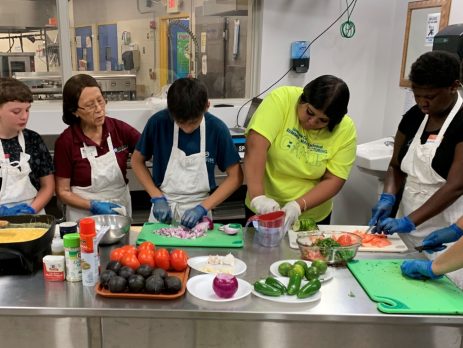
a group of youth and an instructor cook in an industrial kitchen

Expanding food and nutrition education among youth

Early habits among youth often last a lifetime. Extension provides the Expanded Food and Nutrition Education Program (EFNEP) to both youth and adults to improve habits in nutrition, physical activity and food safety. Youth-centered programs help participants develop healthy habits, reduce obesity levels and promote overall well-being. Here are a few examples of that work: Youth in Maine face high rates [...]

Read more...

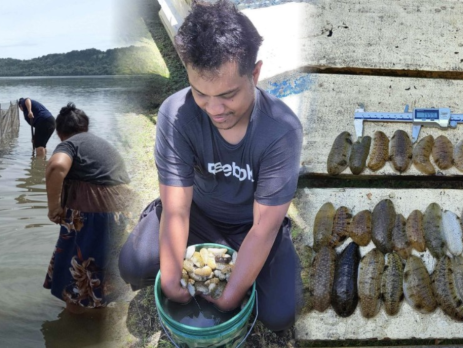
Making aquaculture more productive, safe and economical

The seafood industry is economically vital and provides an important source of protein for the world. Challenges to aquaculture include inefficient production methods, expensive feed inputs and food safety. Land-grant efforts are protecting and promoting this booming industry. Here are a few examples of that work: As feed is the most expensive cost of aquaculture, researchers in Alabama are developing feeds [...]

Read more...
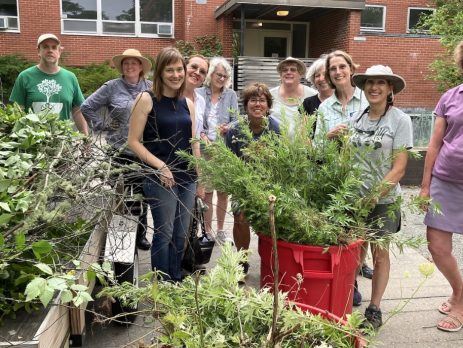
a smiling group of master gardeners

Horticulture programs sprout more resilient communities

Local horticulture is an important tool to combat food insecurity in underserved communities, while boosting environmental sustainability and community health. Volunteers with horticulture training through Extension Master Gardener programs partner with local organizations, schools and vulnerable communities to grow and distribute locally grown produce as well as create jobs.  Here are a few examples of that work: The Master Gardener program [...]

Read more...
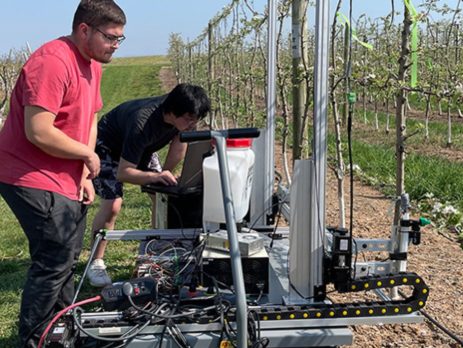
two scientists operate a robotic apple blossom sprayer

Emerging technology offers new tools for growers

Emerging technology is giving farmers tools to reduce the impacts of labor shortages, rising costs, changing weather patterns and regulatory demands, while improving production and profitability. These tools, using drones, robots, artificial intelligence and machine learning, offer a path to sustain productivity, worker safety and environmental performance in the agricultural economy. Projects demonstrate how these technical tools and artificial [...]

Read more...
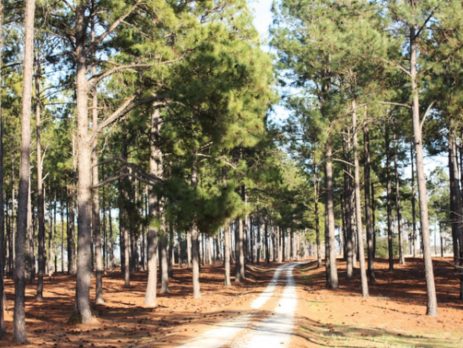
forest

Bringing automation to forest production with precision tools

Rising equipment costs, unpredictable weather, long hours and hazardous conditions make logging a high-risk industry. Not only is it difficult to attract and maintain skilled workers to forest production, but these challenges also make it difficult for firms to forecast the impacts of external factors to remain competitive.  Researchers at Auburn University in Alabama partnered with equipment manufacturers to develop [...]

Read more...
two UAPB athletes speaking at a meeting

Land-grant universities educate individuals and communities about health, nutrition and chronic disease prevention

Many American individuals and communities struggle with building or maintaining healthy lifestyles that contribute to better health outcomes. A lack of awareness of health information and resource constraints limit people’s abilities to eat healthy foods or get enough physical activity. Extension leaders from 1890 land-grant universities are bringing information to communities struggling with high rates of obesity and chronic [...]

Read more...
a piggy bank with the "Financial Literacy in Progress" logo

Empowering economic resilience through Extension

Across 1890 land-grant universities, Extension programs play a critical role in strengthening economic stability by delivering trusted, community-based education and technical assistance to underserved rural and urban populations. By expanding access to financial literacy, farm management training and wealth-building resources, these efforts empower families and producers to make informed decisions, protect assets and build long-term resilience that supports community [...]

Read more...
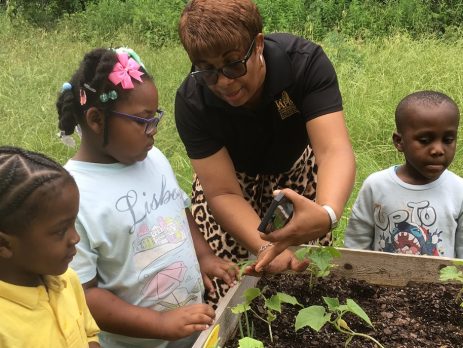
preschoolers look at plants in a raised bed

Strengthening youth development through experiential learning

Experiential learning equips young people with hands-on skills, critical thinking abilities and real-world problem-solving experiences that strengthen academic success, workforce readiness and lifelong learning. Through community-based programs, 1890 land-grant universities play a vital role in ensuing opportunities by connecting research, Extension, and education to support youth and prepare the next generation of leaders. Here are a few examples of that [...]

Read more...
a young boy uses a laptop

Empowering communities by advancing digital literacy

Digital literacy is essential to economic mobility, civic engagement and workforce readiness in today’s communities. Extension programs at 1890 land‑grant universities play a vital role in expanding opportunities in rural and urban communities to build technology skills and support workforce development. Here are a few examples of that work: In Georgia, an Extension initiative is strengthening connectivity and technology skills across [...]

Read more...
chickens around a feeder

Mitigating costly poultry diseases

Avian diseases pose a major challenge to the nation’s $77 billion poultry industry and drastically increase the cost of poultry products for consumers. Avian diseases can also pose a health threat to other animals and humans. At the same time, there is a demand to produce poultry without antibiotics or other drugs commonly used to fight diseases. Working together, [...]

Read more...
crops growing out of dry, cracked soil

Understanding and identifying solutions for weather impacts on agriculture

Drought, severe weather and wildfires can have significant economic impacts on agriculture. Research and educational programming by land-grant universities helps us understand these effects and strengthen resilience. Here are a few examples of that work: Red clover, a commonly used forage crop in the northeastern U.S., increases its phytoestrogen levels under drought conditions, potentially affecting livestock reproductive health. The economic impact [...]

Read more...
peppers

Land-grant universities foster community, student resilience

The 1890 land-grant universities are committed to strengthening communities, farmers and students through meaningful outreach initiatives. Their engagement ensures that resources are tailored to meet local needs such as food security and economic development. Through these efforts, the universities are fostering more resilient communities for generations to come. Here are a few examples of that work: A food bank needs assessment [...]

Read more...
students work on a plant-based science experiment

Recruiting the next generation of students to STEM careers

As the population grows, the demand for innovative, science-driven solutions in food production and resource management increases. Agricultural STEM careers will play a vital role in boosting global food security and economic development while sustaining natural resources. The 1890 land-grant universities are key in bridging the gap between high school students and these STEM careers. Here are a few examples [...]

Read more...
researcher Pam Roberts standing in experimental tomato crops

Multistate project studies solutions to bacterial spot in tomatoes, peppers

Tomatoes are big business for Florida farmers, contributing $500 million annually. Bell and chili peppers are also popular crops among consumers with production value of more than $536 million. However, bacterial spot is a threat to yields and harvest revenue.  University of Florida researchers are working to solve this major issue along with scientists at the University of Georgia, North [...]

Read more...
a group of scientists smile around the AI-powered robot in an experimental field

Robots make plant inventory easy as 1, 2, 3

Ornamental plant growers manually count tens of thousands of plants each season to get an accurate inventory before they commit to fulfilling major orders. An Alabama ornamental nursery might have as many as 80,000 plants per acre, with larger nurseries covering more than 1,000 acres. Some growers estimate they spend more than $6.5 million in labor each year simply [...]

Read more...
two scientists take a sample

Land-grant universities drive sustainability through innovative agricultural practices

The 1890 land-grant universities are dedicated to improving the well-being of economically challenged communities. By focusing on sustainable practices, these institutions help address key challenges like food security, environmental stewardship and economic resilience. Through research, Extension and education, they equip farmers and communities with innovative techniques that preserve resources for future generations. Here are a few examples of that work: Researchers [...]

Read more...
young woman examines a plant in her garden

Historically Black land-grant universities reach diverse communities

In 1890, the Land-grant University System was expanded to include institutions for Black citizens. Today, these institutions continue to provide access to higher education for underserved communities, and their research and Extension programs impact people worldwide through advancements in agricultural productivity and sustainability, food security, human health, and community and youth development. Here are a few examples of that work: First-time [...]

Read more...
photo of a jar being removed from canning water by a pair of tongs

Holistic programs address community health

Obesity is on the rise in the United States, and this increases the risk of diabetes, hypertension and poor overall quality of life. Moreover, health disparities among low-income populations are well documented because food insecurity issues mean they lack nutritionally adequate and safe food. The Land-grant University System uses holistic programs to address community health. Here are a few examples [...]

Read more...
crops growing in a field

Creating new, sustainable products from agricultural waste and biomass

Petroleum and other nonrenewable materials are commonly used for plastics, industrial chemicals, pharmaceuticals, cosmetics and other products we use on a daily basis. But many of these products can be made from biomass, including food and agricultural wastes. Bioproducts offer a way to improve energy security, food security and national security while also cutting back on fossil fuel-related pollution [...]

Read more...