
Tag - Wildlife

Topic

Land-grant researchers and Extension educators protect essential pollinators

Pollinators play a critical role in the world’s ecosystems, facilitating the reproduction of flowering plants and ensuring the production of many crops. But many pollinator populations are declining or at risk due to habitat loss, pesticide use and changing environmental conditions. Researchers and Extension educators at land-grant universities across the United States are finding ways to protect pollinators. Here are [...]
Read more...
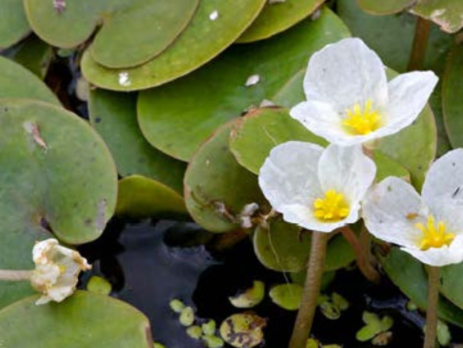
European frog-bit, an invasive species of aquatic plant

Preventing the spread of aquatic invasive species in Michigan

Hobbies such as aquarium keeping and water gardening can bring nature into homes but can also inadvertently contribute to the introduction and spread of invasive species into local lakes and streams. These invaders, often characterized by hardiness and rapid growth, can threaten ecosystems and native species. Because hobbyists rely on retailers for guidance on disposing of unwanted aquatic plants [...]

Read more...
two scientists take samples from a tree

Research guides management decisions to protect Guam’s native forests

Guam’s limestone forests are being overtaken by an invasive overstory tree called Vitex parviflora, known commonly as the molave tree. Native to the Philippines, Vitex is now the most common invasive tree species in Guam. Because this tree tends to form a monoculture, it competes with the native species that are needed to balance and sustain Guam’s ecosystems. Clearing the [...]

Read more...
a feral hog

Trapping training helps reduce feral hog population in Arkansas

Feral hogs cause extensive economic losses in agricultural economies and impact forests, wildlife habitat and the landscape. The U.S. Department of Agriculture estimates feral hogs cause $41.3 million in crop, pasture and livestock losses annually in Arkansas alone. To address feral hog populations, Arkansas Extension agents received training in net capture systems and installed eight systems to capture the hogs. [...]

Read more...