Florida researchers find a speedier way to screen palms for disease resistance
Florida’s iconic palms are under attack by Thielaviopsis trunk rot, a fungal disease that causes plants to collapse and die suddenly. With little information known about disease resistance in palms, homeowners and landscapers were left without guidance on which species are more resilient in the face of the new threat.
Researchers at the University of Florida Institute of Food and Agricultural Sciences resolved to fill this knowledge gap.
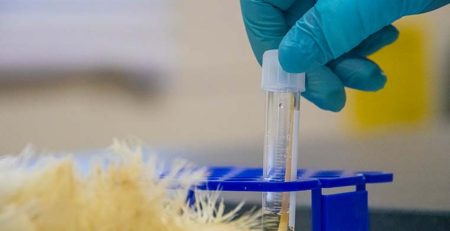
They developed a groundbreaking method for testing which palm species are resistant to Thielaviopsis trunk rot. Unlike traditional methods, which required sacrificing entire trees and months of waiting for results, the researchers were able to get answers within three days using detached leaflets.
Because they can now get test results quickly, the scientists have been able to evaluate 29 palm species from 17 genera, marking the first large-scale survey of disease resistance in palms. They’ve found that 79% of tested palms are resistant to Thielaviopsis trunk rot infection. Some species, including coconut and Puerto Rico royal palms, showed variable resistance.
The faster, non-destructive screening protocol allows repeat testing on palms to monitor for changes in resistance. It also supports breeding programs for disease-resistant palms and can be a useful tool for resilient landscape planning.
University of Florida / IFAS Extension | Project supported by USDA Capacity – Research. Photo courtesy of Monica Elliott/UF/IFAS.