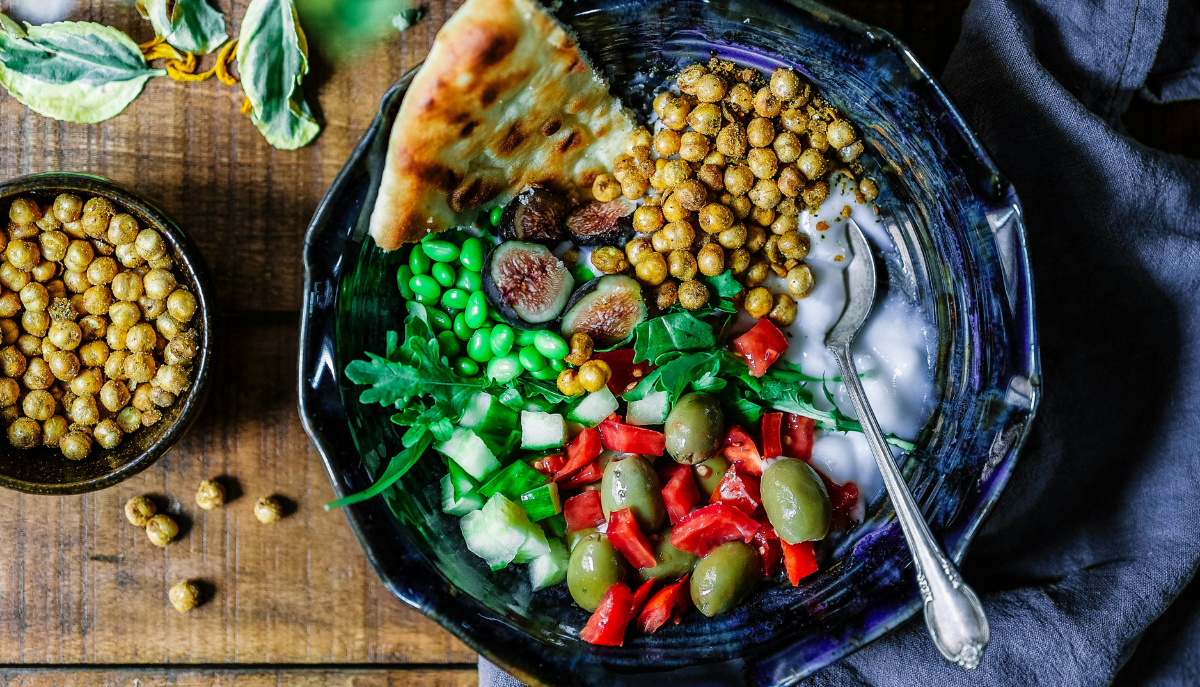
Mediterranean diet decreases medication needs
Chronic diseases such as heart disease, stroke, cancer and diabetes remain the leading causes of death and disability in New Mexico and across the United States. The Centers for Disease Control and Prevention reports that six in 10 Americans live with at least one chronic disease, contributing to rising healthcare costs. Unhealthy diets, obesity and physical inactivity are key risk factors. In New Mexico, obesity rates have climbed to 31%, while only 10.3% of adults meet daily vegetable intake recommendations, and just 12.3% consume enough fruit. Addressing these challenges requires effective nutrition education to promote healthier lifestyles.
The Med Instead of Meds program hosted by the New Mexico State University Cooperative Extension Service provides an evidence-based approach to chronic disease prevention by encouraging adoption of the Mediterranean diet. This dietary pattern emphasizes fruits, vegetables, whole grains, healthy fats and lean proteins, combined with mindful eating and regular physical activity. The program features six weekly sessions, each lasting 60 to 90 minutes, blending educational presentations, food tastings and interactive discussions. Participants can choose between in-person or webinar formats, that residents statewide have opportunities to participate. A dedicated website makes program materials broadly available.
Since its 2023 launch, Med Instead of Meds has demonstrated significant impact. The spring 2024 session reached six participants with 54 educational hours. Webinars engaged 47 participants across six counties, amounting to 282 educational hours.
Evaluation results highlight the program’s success in improving dietary habits and knowledge. Adherence to the Mediterranean diet increased by 16.3%, with post-series assessments reflecting an average adherence of 10.3%. Knowledge scores rose from 58.2% to 91.7%, and confidence in making healthier food choices improved from 63% to 92.5%. Participants reported notable behavioral changes: 100% increased vegetable consumption, 83.5% planned more Mediterranean-style meals and 50% replaced solid fats with olive oil.
Participant feedback underscores the program’s impact. One individual shared, “The materials and program got me on a better path.” Another celebrated, “Lost 5.5 lbs. during the six-week class. Yay!” By fostering sustainable dietary changes, Med Instead of Meds contributes to a healthier, more resilient community while reducing long-term healthcare costs.