Identifying carrot seed disease pathogen to prevent yield loss
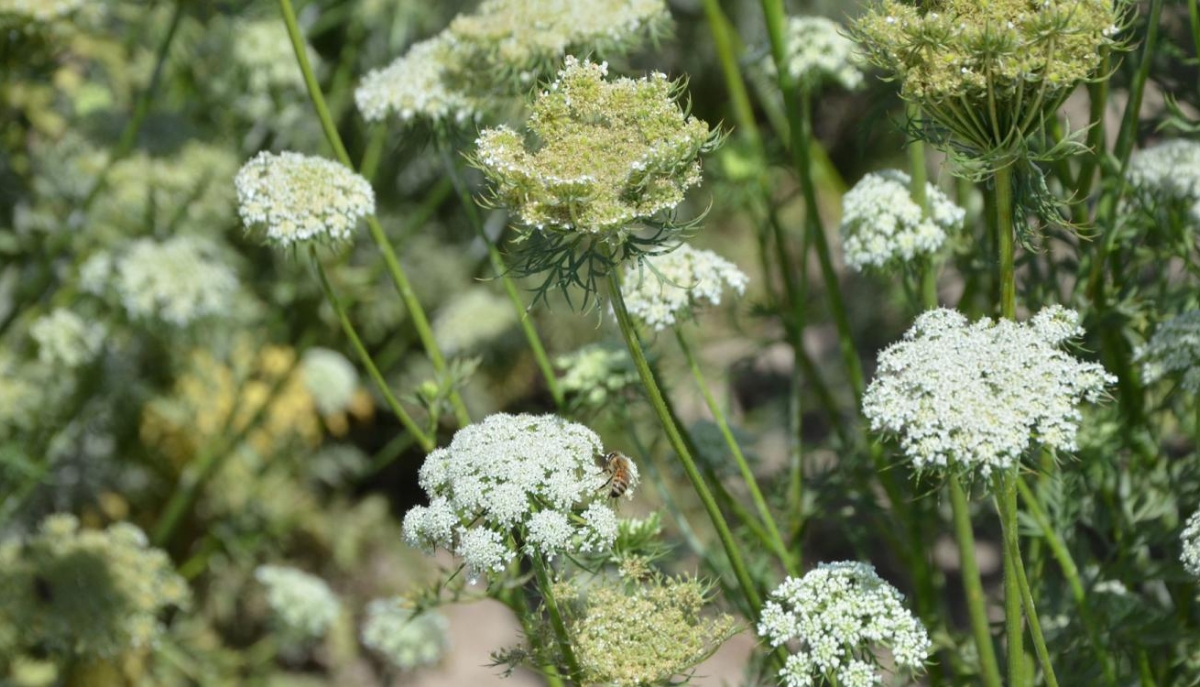
Central Oregon produces some of the world’s most valuable hybrid carrot seed, supporting a high-value specialty crop sector. Bacterial blight threatens seed quality yields and long-term industry viability, putting farm profitability and export competitiveness at risk.
Researchers at the Oregon State University Extension Service led a year-long field study in two commercial carrot seed fields to determine when bacterial blight becomes airborne. The study found that bacterial blight pathogen was airborne more than 80% of the time during the growing season in both fields and appeared as early as September, shortly after planting and harvesting the previous crop. The study findings confirmed airborne exposure occurs throughout most of the year rather than only during harvest and that overlapping carrot seed fields create a green bridge that allows the disease to persist between seasons.
By discovering how and when the damaging pathogen spreads, Oregon State has enabled the seed industry to reduce disease losses, protect a high-value export crop and strengthen resilience of specialty crop production critical to Oregon’s agricultural economy.
Oregon State University Extension Service; Central Oregon Agricultural Research and Extension Center | Project supported by USDA competitive funds. Photo courtesy of Central Oregon Agricultural Research and Extension Center.