Land-grant universities help farmers manage pests in food crops
The challenges of managing pests and pesticide resistance requires ongoing, vigilant attention. Researchers and Extension specialists, in cooperation with farmers and industry across the United States, are helping farmers identify pests and determine whether and how to manage them. Effective pest management can help prevent crop failure, related economic losses and higher consumer prices.
Here are a few examples of that work:
- Arkansas farmers annually lose an estimated $1 billion in value from cotton, soybean and corn fields due to plant-pathogenic nematodes. Extension professionals are helping farmers in the state and far beyond battle nematodes. Recent studies found that few varieties marketed as “resistant” were effective, but 15 soybean lines offered a promising avenue for breeding programs. In addition, a new fungicide may offer a more effective solution for nematode management.
University of Arkansas Cooperative Extension Service; Smith-Lever (3b&c), USDA Competitive. See full statement. - Slugs and snails are a major crop pest in Alaska, where they can quickly devastate crops such as lettuce, cabbage and flowers. As there was little scientific knowledge about these pests and their distribution, Extension specialists set up an online portal so citizen scientists could report slug and snail findings. Ten slug species and two species of invasive snails have been identified so far, informing ongoing work with farmers, gardeners and businesses to manage these damaging pests.
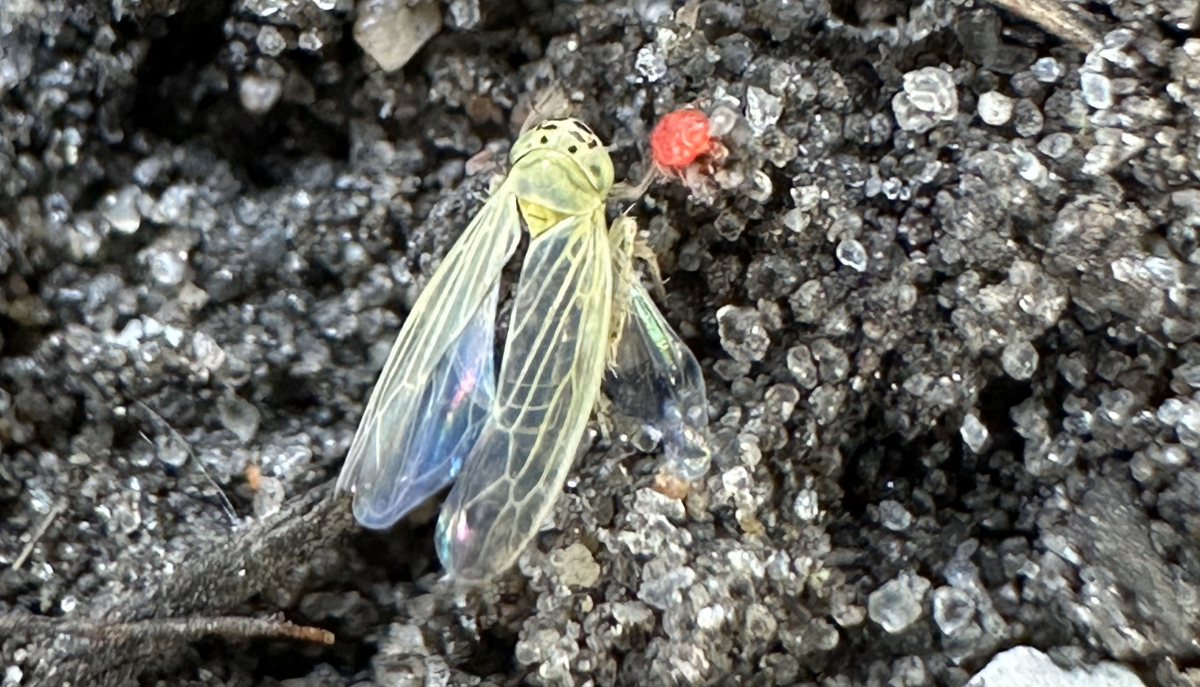
University of Alaska Fairbanks Cooperative Extension Service; USDA Competitive, Smith-Lever (3b&c). See full statement. - An unusual, severe infestation of leafhoppers in North Dakota’s sugarbeets left farmers wondering if the pests would cause yield losses and whether infested fields should be treated with insecticide or replanted. Extension educators developed guidance for managing the pest and preventing its resurgence.
North Dakota State University Extension Service; State appropriations, Smith-Lever. See full statement.
Photo courtesy of NDSU Extension Service.