Researchers show rust fungus helps control invasive Canada thistle
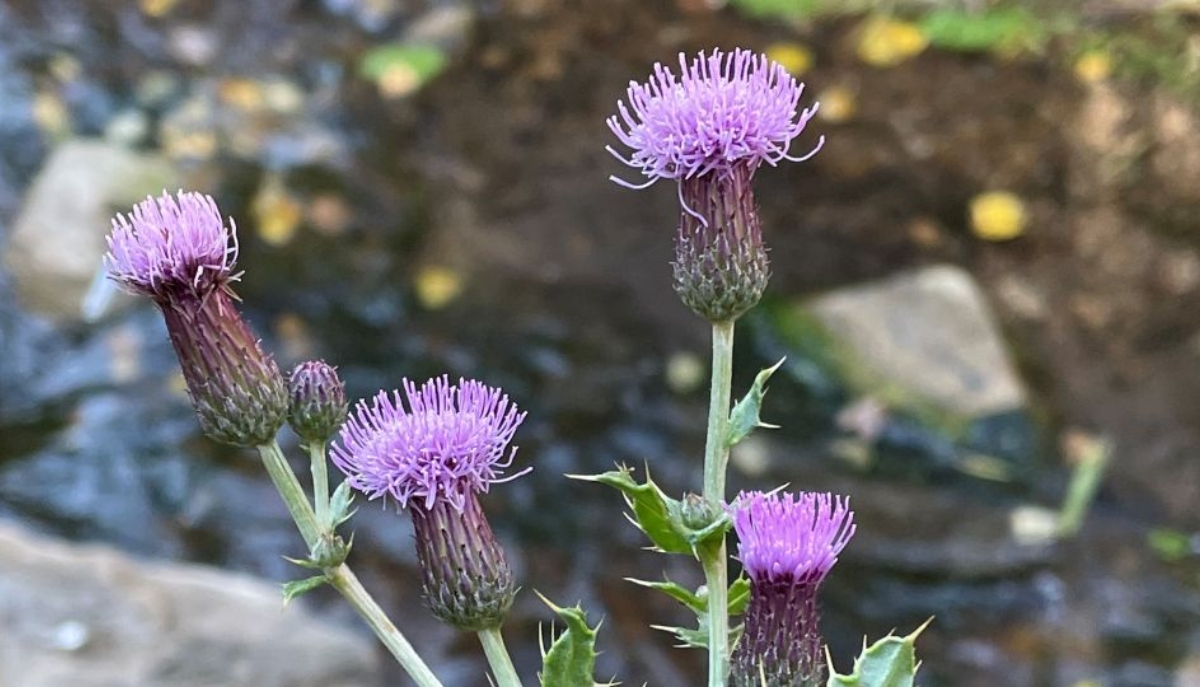
The noxious weed Canada thistle (Cirsium arvense L.), which originated from the eastern Mediterranean region, crowds out crops, forage and native plant species in the Intermountain West, creating challenges for producers and land management agencies. Some herbicides are effective against Canada thistle, but they can be costly, time-consuming and risky to apply.
In its native range, one factor that helps control Canada thistle is a type of rust fungus. It already exists in the United States and doesn’t harm other plant species. Researchers at Utah State University investigated the rust fungus and participated in a multiyear field trial with the Colorado Department of Agriculture. They showed that Canada thistle rust can be an invaluable tool to protect rangelands, native plants, insects and the wildlife that depend on them.
While the fungus did not eradicate the thistle, it was effective in control, especially where thistles grew close together and when the treatment was applied frequently and in larger doses. Herbicides alone or in conjunction with rust were more effective than the fungus alone, but herbicides left more bare ground behind. Consequently, the fungus may be a better option in situations where maintaining vegetation coverage is important.
Project outputs include a guide to identifying Canada thistle rust and how to use it. The project has led to more than 1,000 requests for the fungus.
Utah Agricultural Experiment Station | Project supported by USDA competitive funds. Photo courtesy of Cory Ransom/Utah State University.