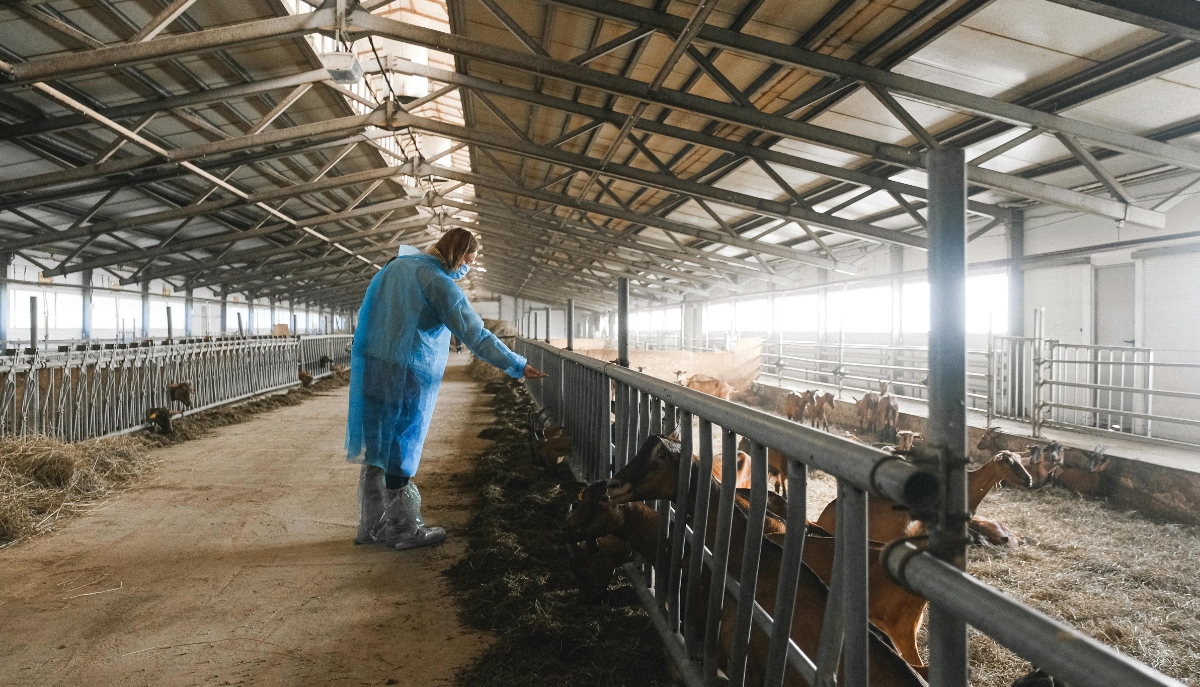
Safeguarding farms through improved biosecurity
The University of Arkansas Cooperative Extension Service has been stepping up producer education in biosecurity and agroterrorism, and pest and disease surveillance and control, to safeguard the state’s agriculture and economy. Representatives from more than 100 counties and different agricultural sectors have participated in new agro- and bioterrorism training to increase awareness and expertise related to emerging risks in the state and nationwide. Results have led to many successes.
Early identification of highly pathogenic avian influenza (HPAI) H5N1 subtype in the state, along with Asian longhorned ticks and tick-borne Theileriosis, guided management practices that reduced spread of these damaging diseases and pests. Rice delphacid — an insect that reduces rice quality and yields and, if unchecked, can transmit the plant-killing Hoja Blanca virus — was identified and controlled. New research also led to better guidance on effective residual control of the pest.
Strawberries are an important crop for local markets in Arkansas, grossing between $5 and $10 million in produce and plants each year. Recent outbreaks of Neo-P, or strawberry Neopestalotiopsis, left nurseries struggling against this devastating plant disease. Targeted outreach on Neo-P reached thousands through blogs, videos, webinars and field visits, helping growers maintain successful production.
Although the United States eradicated the New World screwworm decades ago, Arkansas remains especially vulnerable due to conditions that would allow the parasite to spread quickly if it were reintroduced. Extension led development and implementation of an updated New World screwworm protocol which was shared via newsletters, social media and expanded producer meetings.
University of Arkansas Cooperative Extension Service; Oklahoma Cooperative Extension Service | Project supported by state appropriations; USDA competitive funds.