Developing sustainable domestic biofuels
Land‑grant universities are developing sustainable bioproduct solutions that transform renewable biomass, including food and agricultural wastes, into valuable materials. These bioproducts strengthen national energy and food security, lower greenhouse gas emissions and support rural economies. They also create new markets, provide farmers with additional income opportunities and help to reduce dependence on fossil fuels.
Here are a few examples of that work:
- The foundational ingredient of biofuels is oil that can be extracted from plant seeds, but scientists are still learning how the formation of oils interconnects with other functions like photosynthesis. Plant biochemists in Missouri discovered how to increase a plant’s ability to produce more oil, overturning a long-held assumption that oil content in seeds is inversely proportional to the protein. Their discovery is an important step toward plants that are grown for both oil and protein traits, helping to maximize a plant’s potential for new products.
University of Missouri Agriculture Experiment Station; Washington Agricultural Experiment Station. See full statement.
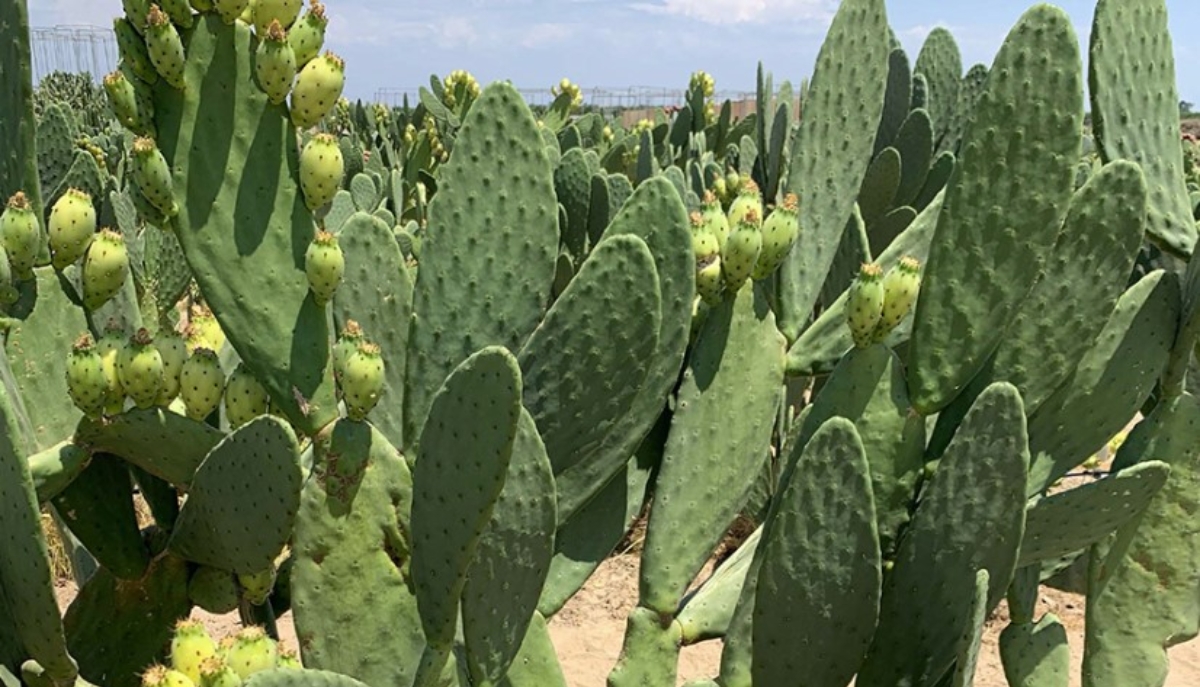
- In arid states like Nevada, growing conventional bioenergy crops that require substantial water inputs is a challenge. Researchers are evaluating varieties of cactus pear, a drought tolerant plant, as a viable alternative bioenergy crop that produces substantial biomass yields with low water demand.
Nevada Agricultural Experiment Station. Supported by USDA Capacity – Research; Hatch capacity funds. See full statement.
- Researchers in Illinois developed a process to turn food waste into sustainable aviation fuel that meets strict industry standards without blending with fossil fuels. Scaling up this technology for commercial production creates opportunities for business growth and reducing reliance on petroleum-based products.
Illinois Agricultural Experiment Station. See full statement.
Photo courtesy of John Cushman/University of Nevada, Reno.