Strengthening the agricultural workforce for the future
The workforce is changing. Across industries and states, trained workers are in demand to support local food systems, meet community needs, ensure safety and increase productivity. Land-grant universities are rising to the challenge of meeting these needs through partnerships, trainings, certifications and hands-on learning opportunities that strengthen the agricultural workforce.
Here are a few examples of that work:
- Health and safety of urban and suburban forests depend on the expertise of trained professionals. In Georgia, a three-day ISA Certified Arborist Exam Prep Course met the critical need for accessible, specialized training within the tree care industry to expand knowledge, safety and effectiveness of tree management practices for the community. The course provided in-depth instruction across a range of topics and offered scholarships to reduce financial barriers.
University of Georgia Cooperative Extension. Supported by county funding. See full statement.
- Fumigants are important in keeping grains safe from insects, and care is needed to ensure fumigation is done correctly. In Oklahoma and Missouri, Extension delivered workshops to support individuals seeking to become licensed fumigators or maintain their current license.
Oklahoma Cooperative Extension Service. Supported by state appropriations; fee-based funding. See full statement.
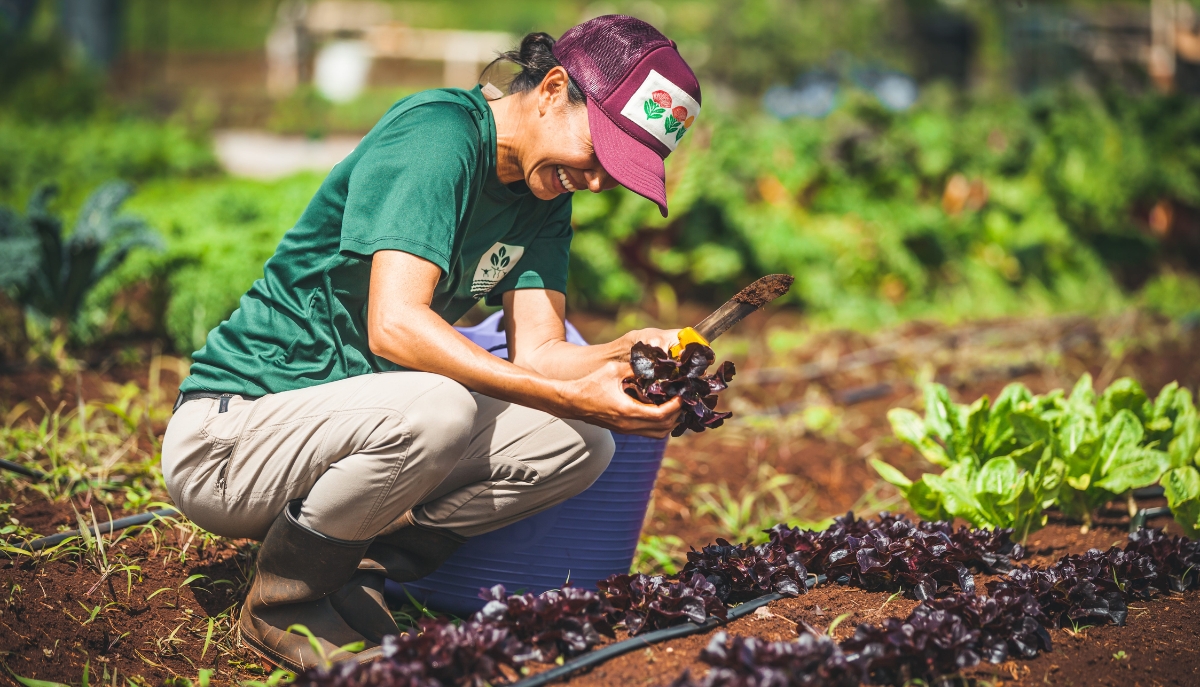
- Hawai’i is the most vulnerable state in the nation for food supply disruptions and has an aging farm workforce. Extension started GoFarm Hawai’i to train and support new farmers, training over 600 graduates in farming and business start-up skills. Over the past three years, about 90% of graduates launched a farm business or entered the food systems workforce.
CTAHR Cooperative Extension Service. Supported by USDA competitive funds; USDA Capacity – Extension. See full statement.
- Aquaculture is a complex and highly regulated industry with high start-up costs and long permitting processes, and Connecticut is among the nation’s leading shellfish producers. To sustain and grow the industry, Extension’s 12-week Foundations course equips participants with knowledge, resources and hands-on experience. In four years, four new farms have launched directly from the program, with several others in development.
University of Connecticut Extension. Supported by Smith-Lever (3b&c) capacity funds. See full statement.
- Responding to a 2022 survey identifying the need for more horticulture workers, University of Maine Cooperative Extension developed the Horticulture Apprentice Training program that builds on the Master Gardener volunteer program and includes 18 weeks of self-paced training and a 200-hour apprenticeship leading to a micro-credential. Through the program, thirty-seven businesses have hosted apprenticeships to date and at least nine have hired their apprentices after completion.
University of Maine Cooperative Extension. Supported by Smith-Lever (3b&c) capacity funds; state appropriations. See full statement.
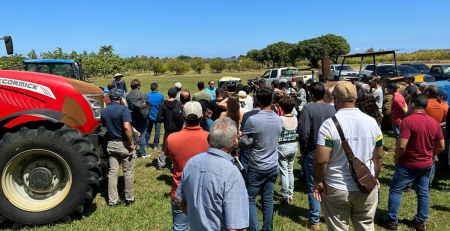
- The specialty cut flower industry has seen significant growth, attracting new farmers, many of whom lack agricultural experience or horticultural training. To address the need for beginner-level education, Michigan State University Extension developed a series of farm tours, with each emphasizing a specific educational theme and providing commercial growers with hands-on learning opportunities. Participants gained firsthand insights into successful production practices and strategies.
Michigan State University Extension. Supported by Smith-Lever (3b&c) capacity funds. See full statement.
- Teaching small-scale farmers how to transition from a declining product to one of profitability improves not only their bottom lines but also strengthens rural economies. North Carolina A&T Cooperative Extension launched a program teaching small-scale farmers impacted by the decline of tobacco to produce pigs. In 2025 seventeen farmers graduated, resulting in 25 jobs and thirteen graduates transitioning to pig farming and pork production.
North Carolina A&T Cooperative Extension Program. Supported by state appropriations. See full statement.
- Urban, small-scale food production is a rapidly growing part of local food systems in Kentucky. In 2025 Extension launched the Urban Growers Program to equip urban producers with knowledge, skills and resources to launch or strengthen their operations. After completion of the workshops, participants reported increased knowledge in pest and disease management as well as other practices.
Kentucky State University Cooperative Extension Program. Supported by USDA Capacity – Extension; USDA competitive funds. See full statement.
- In New Mexico women represent 41% of agricultural producers. Launched in the state in 2020, Annie’s Project offers risk management and business training to women as the primary program audience. Nearly 40 participants have attended with some traveling over 200 miles to participate.
New Mexico State University Cooperative Extension Service. See full statement.
Growing skills and second chances
As of January 2025, over 45,000 people were incarcerated in Ohio. With the shortage of farm labor and the opportunity to rehabilitate inmates, Extension partnered to develop and deliver the Specialty Crop Manager Program. Based on their interest and ability to work on a prison farm, inmates participated in the educational program and hands-on activities, including running the farm and accruing apprenticeship hours. By 2025, production grew from ¾ acre to 1.5 acres with over 31,500 pounds of produce harvested over three years.
Central State University Extension. Supported by 1890 Extension capacity funds. See full statement.
Photo courtesy of GoFarm Hawaii/UH Manoa’s College of Tropical Agriculture and Human Resilience.