Encouraging health and wellness in U.S. youth through hands-on activities, education
One in five school-aged children nationally suffer from obesity, and regular physical activity and balanced diets can lead to improved focus, behavior, self-esteem and academic performance. Encouraging healthy behaviors at an early age fosters a value for physical activity, healthy eating and preventive habits. These healthy behaviors can lead to fewer chronic diseases, resulting in lower health care costs and a better quality of life. Extension programs across the country tailor youth activities, events and education to fostering lifelong wellness, starting at a young age.
Here are a few examples of that work:
- Extension staff in Arkansas hosted a Nutrition Café, offering facts on nutrition, healthy recipes and a food demonstration by a master chef. Participants sampled fresh vegetables and a sugar-free dessert, received healthy recipe handouts and earned door prizes. The event highlighted the Evans Allen Demonstration Garden Site Project, an initiative focused on encouraging children to eat healthy, starting with fresh fruits and vegetables in the classroom. In addition to families and children in attendance, the Nutrition Café brought childcare providers together to brainstorm ways to inspire healthy eating through curriculum, modeling and classroom activities. The event reinforced that early nutrition education can shape healthier lifestyles – even during tailgating, homecoming and holiday season – and efforts are underway to extend the project so its benefits continue within the community.
University of Arkansas Cooperative Extension Service-University of Arkansas at Pine Bluff. Supported by Evans-Allen capacity funds. See full statement.
- Extension educators in Idaho secured a grant from the USDA Food and Agriculture Service Learning Program to increase access to local food in a rural area of the state with high obesity rates. Titled “PEARS: Providing Educational Agriculture to Rural Schools,” the project focuses on experiential learning opportunities through school gardens to increase fruit, vegetable and legume consumption; foster business and leadership skills; and develop integrated educational curricula to improve students’ food, garden and nutrition knowledge. All students were provided a fresh fruit or vegetable snack for 12 weeks in each fall of 2024 and 2025 along with an educational worksheet. In spring 2025, students were also provided with soup kits featuring local ingredients. In the summer, farmers market activities focused on farm-to-table themes such as fruit and vegetable tasting, eating the rainbow, making ice cream and more. Connecting schools, farms, students and the broader community has a number of benefits. It strengthens local food systems, expands nutrition and agricultural education capacity in rural schools, increases community engagement and helps prepare the next generation of leaders in food and agriculture.
University of Idaho Extension. Supported by USDA competitive funds. See full statement.
- In North Carolina, Extension relaunched their Speedway to Healthy program featuring an exhibit and classroom activities. The program helps students in elementary school connect nutrition, physical activity and daily routines like teeth brushing, to their bodies and their health. The classroom activities helped 293 understand organ systems and use the MyPlate model to teach the importance of eating healthy foods. Through the exhibit, 2,604 students “raced” through the body system learning about healthy behaviors like good nutrition, physical activity and drinking water. The exhibit is also a model for community buy-in, as approximately 400 volunteers assisted in bringing this exhibit to their local community.
North Carolina A&T Cooperative Extension Program. Supported by 1890 Extension capacity funds. See full statement.
- In Texas, the Balancing Food and Play program promotes lifelong healthy behaviors among third- through fifth-grade students through evidence-based nutrition education, physical activity and family engagement. The program offers fun, age-appropriate and interactive activities that build knowledge and skills related to healthy eating and active living. In 2025, 1,873 youth from 25 Texas counties participated in the program. Following participation, children reported engaging in more physical activity during their free time, consuming fewer sugar-sweetened beverages, eating more fruit and limiting screen time more often. Additionally, self-reported health status improved, with participants rating their health as very good or excellent increasing from 68% to 73%.
Texas A&M AgriLife Extension. Supported by state appropriations. See full statement.
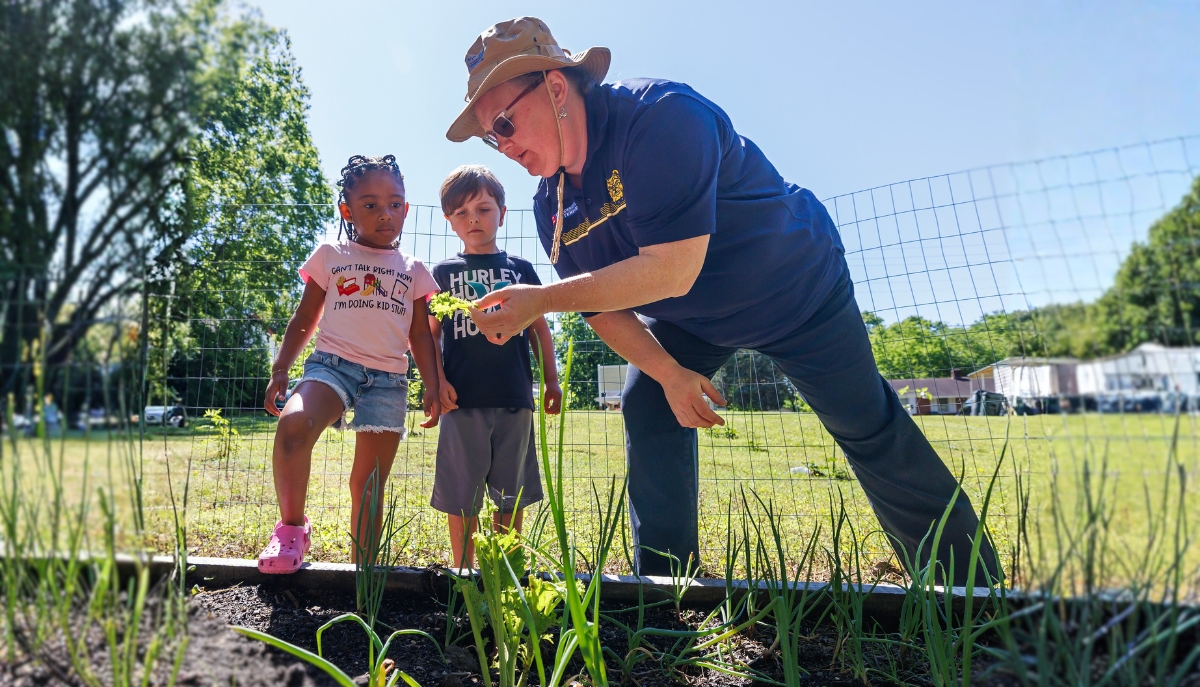
Photo courtesy of North Carolina A&T State University.