Tag - Arkansas

State/Territory

a group of smiling students

Advancing higher education and career readiness

Sectors across the agricultural landscape need more educated and skilled workers to support our national and local food systems. 1890 land-grant universities offer different pathways to introduce students to career opportunities and prepare them for employment. Here are a few examples of that work: In Tennessee, Extension leaders brought a cohort of undergraduate students to the Farm Credit Mid-America headquarters to [...]

Read more...
chickens around a feeder

Mitigating costly poultry diseases

Avian diseases pose a major challenge to the nation’s $77 billion poultry industry and drastically increase the cost of poultry products for consumers. Avian diseases can also pose a health threat to other animals and humans. At the same time, there is a demand to produce poultry without antibiotics or other drugs commonly used to fight diseases. Working together, [...]

Read more...
a purple flowering plant

Research provides more sustainable pest management options

Agricultural land and natural ecosystems face growing threats from invasive and noxious grasses and weeds, feral animals, pests and diseases that impair ecosystem services and agricultural productivity. Chemical pesticides can pose human and environmental health risks. Land-grant university research had led to findings, tools and strategies for managing pests more sustainably. Here are a few examples of that work: Research and [...]

Read more...
view of tree canopy from below

Private land stewardship protects environment and communities

Practicing good stewardship of private lands is important for the health of our ecosystems and communities. Researchers, Extension professionals and educators at land-grant universities across the United States provide training, tools and other resources to help private landowners manage their land in ways that are environmentally friendly and economically sustainable. Here are a few examples of that work: Extension professionals in [...]

Read more...
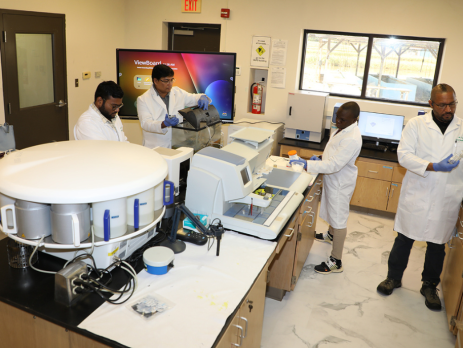
scientists in a lab

Harnessing artificial intelligence for agricultural innovation

Land-grant universities are leveraging artificial intelligence (AI) to improve agricultural efficiency, productivity and sustainability. Here are a few examples of that work: In Georgia, researchers are developing an AI-powered app to help farmers accurately identify Sericea lespedeza, a valuable forage crop with natural anthelmintic properties, reducing time ad labor costs.Fort Valley State University; USDA Capacity-Research. See full statement.   In Arkansas, researchers are [...]

Read more...
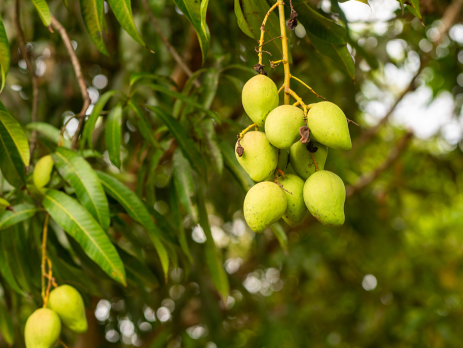
fruit growing on a tree

Understanding root causes of chronic health conditions, more natural ways to treat them

Chronic health concerns, including diabetes, autoimmune disorders and vitamin deficiency, are costly and debilitating to patients and the healthcare system. Researchers across the Land-Grant University System are looking at new and often natural ways to help ease the onset or effects of common, chronic conditions, and promote better health along the way. Here are a few examples of that work: In [...]

Read more...
a scientist takes notes

Optimizing use of heat to minimize food safety risks, maximize food quality

Using heat is essential for reducing the risk of foodborne illnesses in fresh products like eggs and milk and dry goods like spices, flour and powdered milk. In addition, a number of commodities require use of heat for processing. Finding the right balance of heat to ensure food quality and safety is an ongoing process, and one that researchers [...]

Read more...
a cicada

Land-grant universities help farmers manage pests in food crops

The challenges of managing pests and pesticide resistance requires ongoing, vigilant attention. Researchers and Extension specialists, in cooperation with farmers and industry across the United States, are helping farmers identify pests and determine whether and how to manage them. Effective pest management can help prevent crop failure, related economic losses and higher consumer prices. Here are a few examples of [...]

Read more...
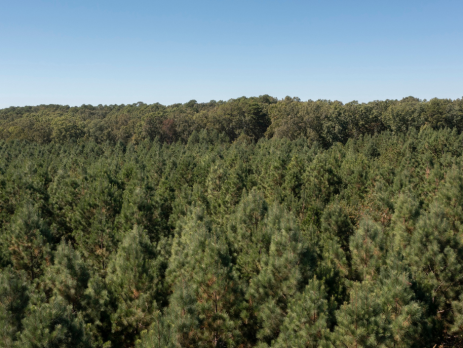
a forest

Preserving and managing our forests

Forests provide a variety of goods, including food, lumber, and paper. They also provide wildlife habitat as well as green space and recreation. As natural carbon sinks, forests absorb carbon dioxide from the atmosphere and store carbon in soils. But rising temperatures, pests and diseases pose threats to forests. Researchers, Extension professionals and educators at land-grant universities across the [...]

Read more...
a person looks at information on their phone and laptop

Extension builds financial resilience for community prosperity

Extension professionals at land-grant universities across the United States are helping communities build financial resilience by providing access to education and resources that foster financial literacy and money management. Here are a few examples of that work: Twenty-one percent of Oklahoma children live below the poverty level. An Extension program called Reality Check helped youths learn money management practices and job [...]

Read more...
fruit growing on a tree

Specialty crop growers benefit from land-grant university research

Scientists at land-grant universities are responding to local grower needs to strengthen specialty crop quality and economics. Here are a few examples of that work: Researchers in New York are studying a new threat to vineyards. Research on how the disease is spread through hoppers led to recommendations on management practices to manage the virus spread.Cornell AgriTech. See full statement.   Two-thirds of [...]

Read more...
pigweed

Research and outreach on invasive species keep agriculture productive, profitable

Land-grant university research and outreach is helping manage the impacts invasive weeds and species have on growers and agricultural productivity. Here are a few examples of that work: When invasive pigweed threatened Idaho agriculture, Extension educators educated stakeholders on identification and best management practices. Educational materials have been widely shared, including more than 50 presentations to more than 4,000 direct contacts [...]

Read more...
a person wearing PPE and looking at a device

Land-grant universities support the viability of livestock production

From teaching producers biosecurity techniques to keeping poultry cool in extreme temperatures to identifying genetic traits that will optimize production, land-grant university researchers and Extension professionals are supporting the viability of livestock production in the United States. Here are a few examples of that work: Researchers at land-grant universities nationwide are developing and using advanced technologies and data to improve poultry [...]

Read more...
sheep

Advancing food security through sustainable livestock and crop innovations

Research at 1890 land-grant universities addresses critical challenges in animal and plant production. Collectively, these projects support sustainable food systems and food security by improving livestock and crop health, reducing reliance on agrochemicals and increasing production efficiency. Here are a few examples of that work: An Arkansas study on sheep health explored natural dietary supplements to reduce antibiotic and dewormer dependency, [...]

Read more...
students work on a plant-based science experiment

Recruiting the next generation of students to STEM careers

As the population grows, the demand for innovative, science-driven solutions in food production and resource management increases. Agricultural STEM careers will play a vital role in boosting global food security and economic development while sustaining natural resources. The 1890 land-grant universities are key in bridging the gap between high school students and these STEM careers. Here are a few examples [...]

Read more...
youth learn about financial education in a fair setting

Empowering Arkansas families to make informed financial decisions

The Financial Capability Survey revealed that nearly 20% of Arkansans report spending more than their income, and 50% do not have an emergency savings fund. Additionally, 67% could not correctly answer more than three of five questions about financial management.  Extension programs can enhance financial stability, reduce economic stress and contribute to stronger, more resilient communities. The University of Arkansas [...]

Read more...

Land-grant university research helps stakeholders lower costs with renewable energy solutions

Non-renewable energy sources are limited, and growing demand exacerbates pollution and health issues. Enhancing energy efficiency and developing renewable sources are crucial to meet demand, reduce costs, create jobs and boost rural prosperity. Reducing fossil fuel reliance improves national security and public health. Researchers and educators in the Land-grant University System are finding innovative ways to improve energy efficiency [...]

Read more...
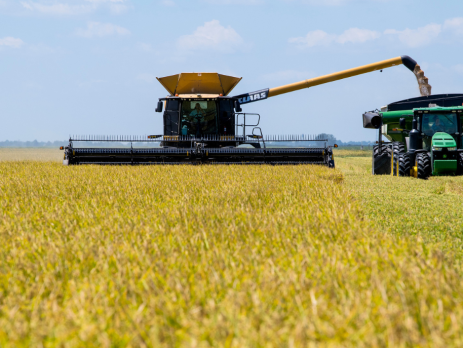
rice harvester

Developing informed guidelines for safer rice storage

Rice is a crop critical to the food security of citizens in the United States and globally, where half the world’s population relies on rice as a staple. However, an estimated 15% of rice production is lost annually due to contamination from fungi and other harmful organisms. When rice is exposed to high temperatures and humidity in storage, the [...]

Read more...
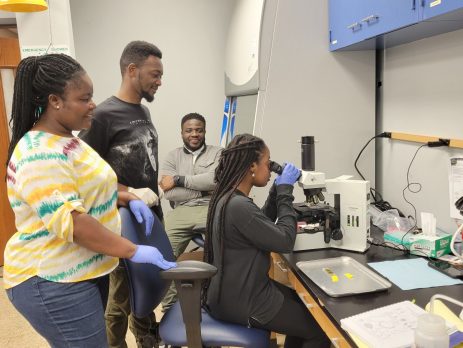
students and faculty examine samples under a microscope

Researchers find natural ways to provide sheep immunity from parasites

Overuse of antibiotics and dewormers in animal production can lead to the development of parasite resistance. As a result, conventional control programs relying solely on chemical interventions are becoming increasingly ineffective.  At the University of Arkansas at Pine Bluff, researchers are looking for natural means of controlling livestock parasites. In a two-year study they tested black walnut-hull powder and a [...]

Read more...
two people reference a tablet in an outdoor setting

Involving youths in agriculture

A growing need to produce a qualified workforce to solve issues in agriculture such as changing environmental conditions means involving more youths. Youths have a strong potential to grow into leaders who can address these issues. The University of Arkansas at Pine Bluff (UAPB) is establishing educational centers related to regenerative agriculture and aquaculture on campus and at the UAPB [...]

Read more...
a feral hog

Trapping training helps reduce feral hog population in Arkansas

Feral hogs cause extensive economic losses in agricultural economies and impact forests, wildlife habitat and the landscape. The U.S. Department of Agriculture estimates feral hogs cause $41.3 million in crop, pasture and livestock losses annually in Arkansas alone. To address feral hog populations, Arkansas Extension agents received training in net capture systems and installed eight systems to capture the hogs. [...]

Read more...
two scientists take a sample

Land-grant universities drive sustainability through innovative agricultural practices

The 1890 land-grant universities are dedicated to improving the well-being of economically challenged communities. By focusing on sustainable practices, these institutions help address key challenges like food security, environmental stewardship and economic resilience. Through research, Extension and education, they equip farmers and communities with innovative techniques that preserve resources for future generations. Here are a few examples of that work: Researchers [...]

Read more...
a scientist in a university laboratory

Developing the next generation of agricultural workers

A skilled workforce is critical to sustaining agriculture, advancing food security and fostering economic growth. Land-grant universities are preparing students for the agricultural workforce through hands-on training, research opportunities and industry partnerships. These programs focus on historically underserved communities, ensuring broad participation in food and agriculture careers. Here are a few examples of that work: Georgia Extension professionals are helping students [...]

Read more...
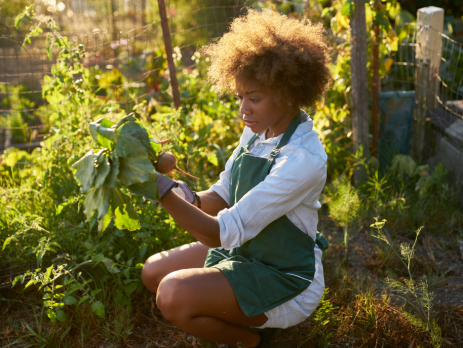
young woman examines a plant in her garden

Historically Black land-grant universities reach diverse communities

In 1890, the Land-grant University System was expanded to include institutions for Black citizens. Today, these institutions continue to provide access to higher education for underserved communities, and their research and Extension programs impact people worldwide through advancements in agricultural productivity and sustainability, food security, human health, and community and youth development. Here are a few examples of that work: First-time [...]

Read more...
grandfather and grandchildren watering a garden

Arkansas grandparents grow relationship with grandchildren through gardening

An increasing number of grandparents are raising their grandchildren. University of Arkansas at Pine Bluff’s Cooperative Extension Program is developing ways to support them and provide necessary resources. One way is by helping grandparents to grow their own food. The university’s School of Agriculture, Fisheries and Human Sciences partnered with the Jefferson County Cooperative Extension Service and the Pine Bluff [...]

Read more...