
Using genomics and machine learning to predict food-borne illness outbreaks
Each year about one in six Americans get sick from contaminated food. The germs that cause food-borne illnesses – like E. coli, salmonella and listeria – pop up throughout the food system. These outbreaks are hard to predict because scientists don’t yet know enough about how the germs survive and proliferate.
At the University of Maryland, researchers received funding from the U.S. Department of Agriculture National Institute of Food and Agriculture to develop new tools using genomics and machine learning to better predict the conditions that lead to contaminated-food outbreaks. The team is analyzing the genomes of food pathogens using publicly available databases. They hope to find genetic indicators that help pathogens persist, resist cleaning agents, evade human immune responses or survive in certain moisture or temperature conditions.
That information will be combined, and the team expects to find patterns, using machine learning, that can predict what conditions and circumstances help food-borne pathogens proliferate.
View the full statement on the NIDB.
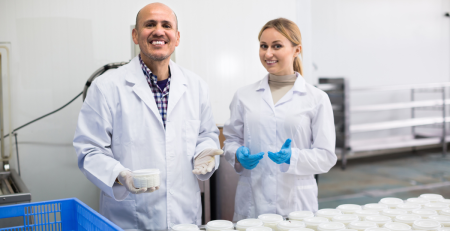
Photo courtesy of University of Maryland.