Land-grant universities help communities tackle stormwater challenges
Across the country, communities face challenges in managing runoff after rainfall. When not properly managed, stormwater can cause flooding, erode land and transport contaminants and debris into waterbodies. Land-grant universities are helping residents, businesses and local governments find solutions — from installing rain gardens to changing the way ditches are drained — while raising public awareness of stormwater issues and engaging volunteers.
Here are a few examples of that work:
- In Connecticut, Extension experts have designed a comprehensive program that educates homeowners, businesses and municipalities about rain gardens, which can help filter and absorb stormwater while providing pollinator habitat and aesthetic benefits. As a low-cost, nature-based solution, these rain gardens empower people to make their communities more resilient to heavy rains and to protect waterways from pollution in runoff.
University of Connecticut Extension; Connecticut Storrs Agricultural Experiment Station. Supported by Smith-Lever (3b&c) capacity funds. See full statement.
- Extension educators in Maryland are taking a community-based, partnership-driven approach to improving stormwater management across the state. In 2025, educators delivered 79 classes to 2,521 participants about protecting the Chesapeake Bay watershed. They also conducted 65 stormwater site assessments, supported two restoration projects and one watershed assessment, and assisted with the implementation of more than 350 small-scale green infrastructure projects statewide.
University of Maryland Extension. Supported by USDA Capacity – Extension; private grants and contracts. See full statement.
- Extension personnel in New York are working to help local governments recalibrate decades-old networks of roadside ditches to reduce flooding and pollution. They are leading an outreach campaign that encourages disconnecting ditches from streams, redirecting water to infiltration basins and revegetating these areas. The initiative has brought together ditch managers from around the state, fostering communication about policies and procedures.
Cornell Cooperative Extension. Supported by Smith-Lever (3b&c) capacity funds. See full statement.
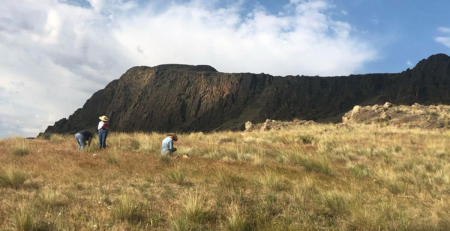
- Researchers in Utah are using modeling technology to study wildfires’ effects on erosion and waterways, which can reduce reservoirs’ water-holding capacity, increase flood risks and complicate water treatment. These efforts have provided important new insights for emergency response planning.
Utah Agricultural Experiment Station. See full statement.
Master Watershed Steward volunteers help township save money, improve water quality
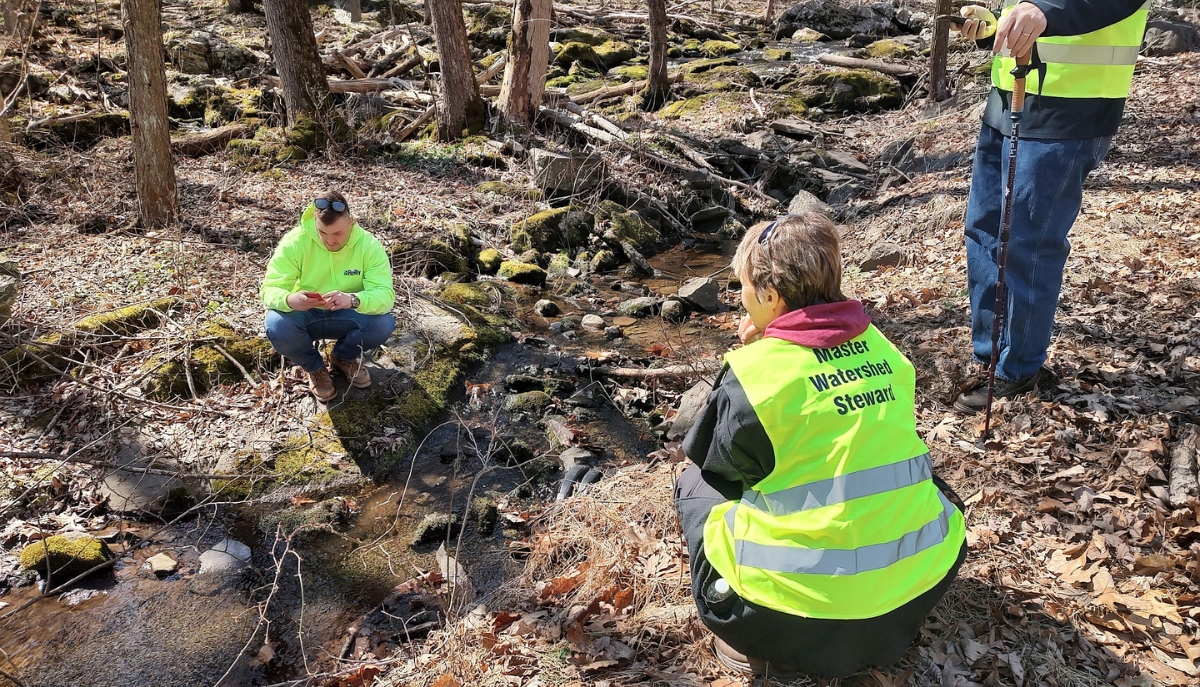
In Pennsylvania, an Extension program trains Master Watershed Steward volunteers to perform stormwater inspections on behalf of Stroud Township. They measure levels of contaminants at sites where stormwater drains into waterways, offering the township an affordable way of complying with Clean Water Act rules. The volunteers also offer educational presentations to the community about watershed stewardship, lead cleanups and help monitor for illegal dumping along waterways — all of which contribute to cleaner water and reduced storm impacts.
Pennsylvania Agricultural Experiment Station. Supported by Smith-Lever (3b&c) capacity funds. See full statement.
Photo courtesy of Pennsylvania Agricultural Experiment Station.