Tag - North Central

Region

Multiple glass containers with orange and red fruit liquids in them sit on a table.

Researchers look to science for healthier, better tasting food and drink

Working to create better tasting and more wholesome foods via science means not only healthier consumers, but also more markets for producers and value-added opportunities for entrepreneurs. At land-grant universities across the country, food scientists work to make sure agricultural commodities and value-added products have the best taste, texture, aroma and appearance possible, without compromising — and sometimes even [...]
Read more...
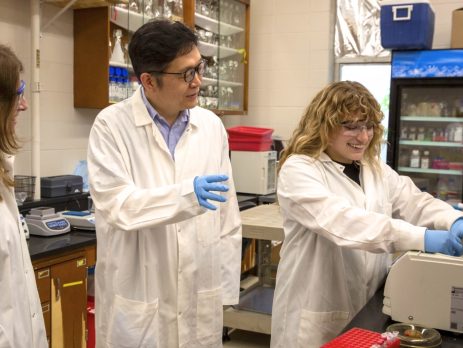
scientists working in the lab

Research at land-grant universities looks to answer complicated disease questions

The basic and applied research that happens in labs at land-grant universities across the country helps to answer questions about the origins of devastating diseases such as ovarian cancer, early-onset Alzheimer’s, kidney fibrosis and Zika virus by diving into disease modeling, gene identification, cancer receptors and cell aging. This research works toward preventions, therapies and perhaps even cures. Here are [...]

Read more...
a senior couple holds hands and looks at their land

Reducing farm stress

Farm stress management addresses the unique mental, emotional and financial pressures that agricultural producers face, helping them build resilience as they confront unpredictable weather, volatile markets and demanding workloads. Supporting farmers’ well‑being is critical not only for their personal health but also for the stability and sustainability of our food systems and rural communities. Extension plays an essential role [...]

Read more...
seniors doing chair exercises

Reducing fall risk and promoting independence

Falls and physical inactivity are critical public health concerns for older adults. National data indicate that only 21.6% of men and 17.6% of women aged 50–64 meet the recommended guidelines for aerobic and muscle-strengthening activities. This number decreases to just 9% among adults aged 65 and older. Insufficient activity leads to reduced muscle strength, balance and mobility, which in [...]

Read more...
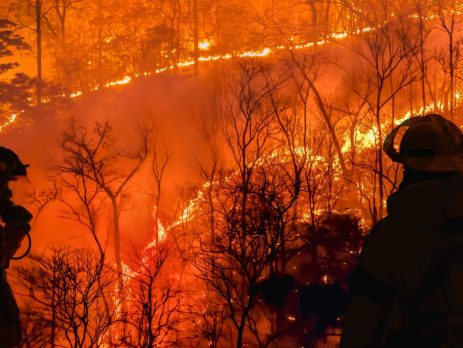
wildland firefighters

Protective clothing for wildland firefighters

Wildland firefighters face escalating health risks as fire seasons lengthen and fires become more intense. Their work demands long shifts involving strenuous physical labor — hiking, digging, carrying heavy packs and operating equipment — with exposure to extreme heat, dense smoke, humidity, high altitude and rough terrain. These conditions heighten the risk of heat stress, respiratory issues, dehydration, musculoskeletal [...]

Read more...
egg and avocado on toast

Online resource a ‘recipe’ for healthier, more affordable food choices

Many Michigan residents face barriers to healthy eating, including limited time, cooking knowledge and financial constraints. Having easy, affordable and nutritious meal ideas readily available can improve food security and support long-term health. However, people often struggle to find the practical resources to meet their needs.  In June 2025, Michigan State University (MSU) Extension launched a free online recipe website to [...]

Read more...
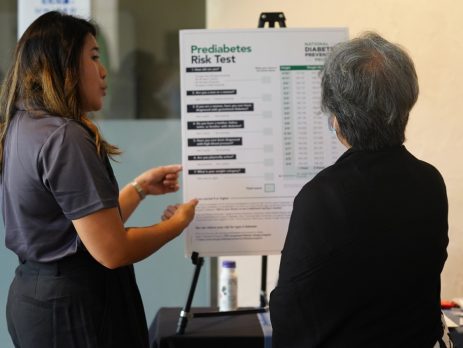
an Extension educator talks toa community member about a prediabetes risk test

Land-grant universities improve lives through diabetes education, prevention

More than 38 million Americans have diabetes, and nearly 98 million have prediabetes, which costs the U.S. $412.9 billion annually between health care and lost productivity. Those affected often lack access to education that supports day-to-day diabetes self-management. Complications can include kidney disease, heart disease, loss of limbs and vision loss. This prevalent chronic disease is a major contributor [...]

Read more...
two seniors lifting small dumbbells

Healthy aging

Healthy aging is essential for maintaining independence, well-being and quality of life as people grow older, and it benefits not only individuals but also their families and communities. Cooperative Extension programs play a vital role in supporting this process by offering research-based education, practical skills and community-centered resources. These resources help adults stay active, socially connected and informed about [...]

Read more...
a scientist examines a test tube

Gut microbial research promotes better health, prevents chronic illness

Gut microbial research is important because the microbes living in the digestive system play a central role in human and animal health. They help regulate metabolism, support immune function and protect against harmful pathogens. Understanding the gut microbiome can reveal early markers of disease, improve nutritional strategies and guide the development of personalized medicine. Research also shows strong links [...]

Read more...
a young person wearing exercise clothing eating a healthy meal

Food is medicine

The “food is medicine” approach emphasizes the role diet has in preventing disease, supporting overall health and improving quality of life. Land-grant universities connect research-based nutrition and community education to the people who need it most. By supporting access to fresh, locally grown foods, teaching evidence-based nutrition practices and partnering with communities to reduce health disparities, land‑grant programs help [...]

Read more...
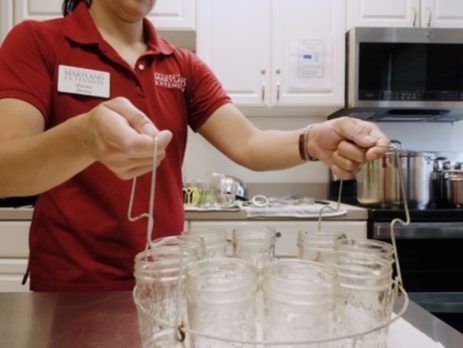
UME Agent, Shauna Henley, preparing mason jars for sterilization

Extension trainings keep Americans safe from foodborne illness

Foodborne illness is a widespread, costly public health concern in the United States. Each year, one in six Americans becomes sick from contaminated food, leading to hospitalizations, long-term health complications and even death. Pregnant women, the elderly, young children and people with weakened immune systems or chronic diseases are most at risk. Because food safety risks can occur at [...]

Read more...
4-H teens and instructor baking

Extension programming educates, empowers teens to make informed health choices in supportive environments

Teenage youth are one of our greatest resources for influencing change that leads to healthier communities; they are our next generation of leaders. When creating programming for older youth, Extension specialists take into consideration the unique physical, emotional and social changes during adolescence to tailor programming effectively. Across the country, Extension is tackling health issues for teenagers with innovative [...]

Read more...
holding hands for support

Building networks to aid mental health strengthens communities

Mental health challenges affect individuals and families across the country, yet stigma and lack of knowledge often prevent people from seeking or offering help, especially in rural communities with fewer mental health resources. At land-grant universities across the U.S., Extension programming works to equip individuals to recognize, respond to and support those experiencing mental health or substance use issues through [...]

Read more...
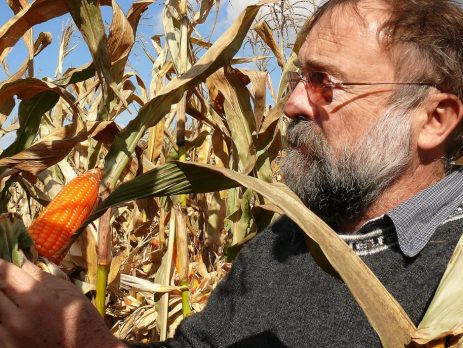
researcher looking at orange corn on the stalk

Breeding corn with orange grain high in antioxidant carotenoids

Carotenoids are antioxidant compounds naturally found in plants, but humans cannot synthesize them and must obtain them through diet. In the U.S., there are widespread deficiencies in two key macular carotenoids — lutein and zeaxanthin — which accumulate in the retina and brain. Low levels of these nutrients are linked to poorer visual health, increased risk of age‑related macular [...]

Read more...
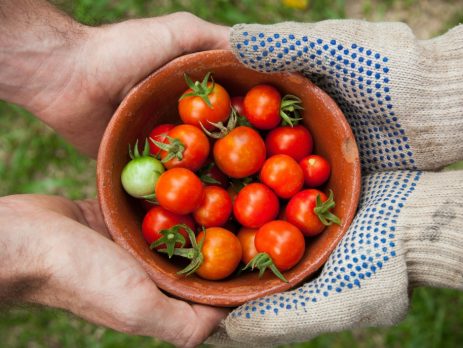
two pairs of hands holding a bowl of tomatoes

Veterans grow food, community and connection through gardening initiative

Military veterans and their families often face challenges related to physical and mental well-being, social isolation and food insecurity. Michigan State University Extension’s Seeds in Action initiative helps veterans grow healthy food and build meaningful relationships – addressing these critical public health challenges. The Seeds in Action program provides seed packets and gardening education to help veterans grow their [...]

Read more...
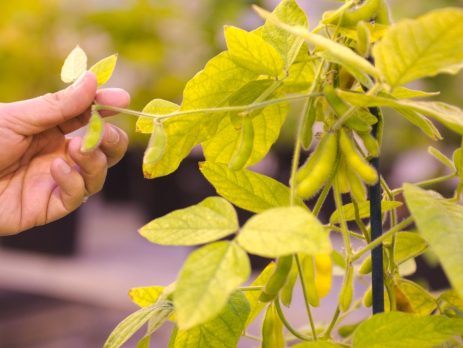
soybeans

Using genetics for crop disease resistance

Pests of major crops, including wheat, soybean, potatoes, tomatoes and wine grapes, cost American producers billions in yield losses each year and raise prices for consumers. Pathogens are steadily overcoming current genetic sources of resistance, making continuing efforts to identify and incorporate new genetics critical to reduce losses to farmers and protect markets and food security. Here are a few [...]

Read more...
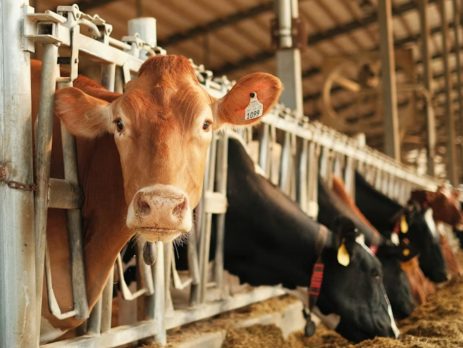
dairy cows in a barn

Supporting meat and dairy industries

Meat and dairy provide critical protein and a wide variety of other products for consumers and represent economically important industries across the country, not just for producers, but also for processors, groceries and restaurants. Research and Extension professionals at land-grant institutions support livestock and related industries in many ways through education on economically efficient production practices and research on [...]

Read more...
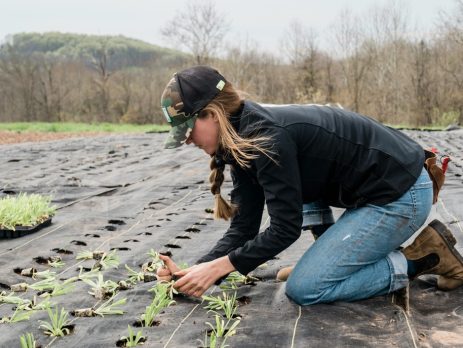
a farmer planting

Recognizing regenerative ag champions

Small-scale farmers who use regenerative practices play an important role in local food systems. These farmers often operate in areas with limited access to fresh food and provide healthy options for their communities. Despite their contributions, they rarely receive recognition or support. Raising awareness of their work can help strengthen community-based food production and encourage practices that improve soil [...]

Read more...
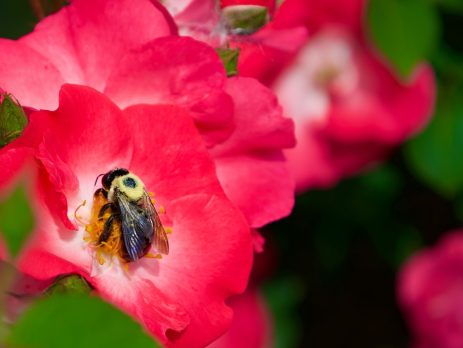
bee on a flower

Integrated approach identifies bee protection opportunities in rural, urban areas

Bees are essential pollinators for many fruits, vegetables and ornamental plants. Continuing declines in their populations jeopardize crop yields, food security and biodiversity. Over 400 bee species live in Ohio, including the federally endangered Rusty Patched Bumble Bee (RPBB), but they are threatened by pesticides, diseases, habitat degradation, heavy metal pollution and changing weather patterns.   Ohio State University researchers assessed [...]

Read more...
a graphic of 4 world maps showing the percentage change in 4 different crop types: maize, soybeans, sorghum, and wheat

Even when farmers adapt to extreme weather, crop losses continue

A first-of-its-kind study analyzed the real-life measures that farmers worldwide are taking to combat reduced yields due to higher temperatures, drought conditions and other extreme weather. The findings indicate that even as they try to adapt to changing conditions, farmers are still experiencing a decline in agricultural productivity. The steepest losses are occurring at the extremes of the agricultural economy, [...]

Read more...
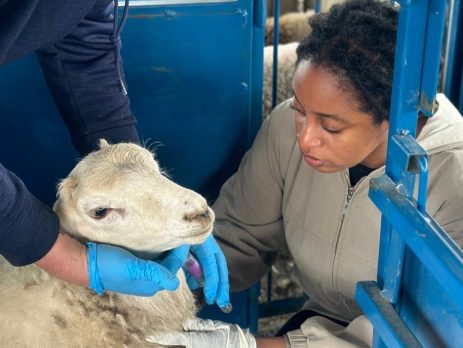
a vet giving a sheep a vaccine

Enhancing food safety with research and training

The United States food supply is among the safest in the world, but every day news stories report food recalls for a variety of safety reasons. Food safety must be maintained through every step of the production process, and land-grant institutions are the key to research and training that helps the food industry provide safe, healthy food. Here are a [...]

Read more...
a chicken being held about to receive a swab test

Producers learn to manage for bird flu during outbreak

Highly pathogenic avian influenza, also known as bird flu, plagues the U.S. poultry industry. In addition to poultry impacts, the dairy industry experienced a spillover event and a one-time occurrence was identified in pigs.  Because of the changing nature of the outbreaks, Purdue Extension in Indiana worked with other state agencies to provide up-to-date information to animal producers, Extension educators [...]

Read more...
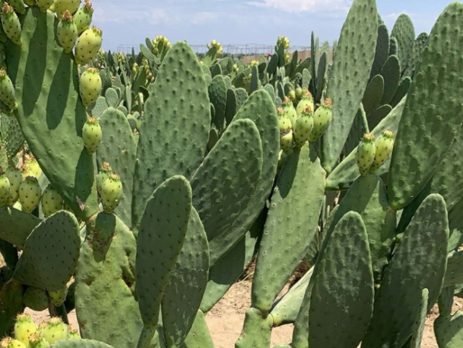
cacti

Developing sustainable domestic biofuels

Land‑grant universities are developing sustainable bioproduct solutions that transform renewable biomass, including food and agricultural wastes, into valuable materials. These bioproducts strengthen national energy and food security, lower greenhouse gas emissions and support rural economies. They also create new markets, provide farmers with additional income opportunities and help to reduce dependence on fossil fuels. Here are a few examples of [...]

Read more...
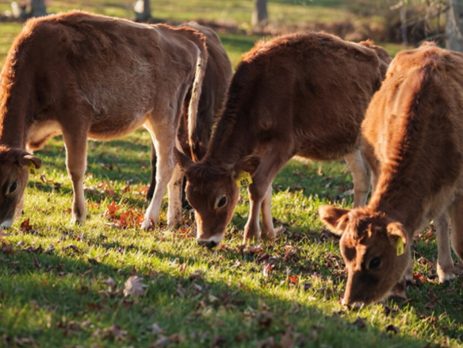
cattle in a field

Tech solutions for livestock management

Livestock producers face challenges such a shrinking labor force, limited veterinary access and rising costs. Artificial intelligence, precision agriculture technologies and genome sequencing have shown promise in improving livestock management, but up-front costs have generally restricted adoption to large-scale dairies. Small farms need economically feasible, effective tools tailored to their specific operations. Here are a few examples of that work: Researchers [...]

Read more...
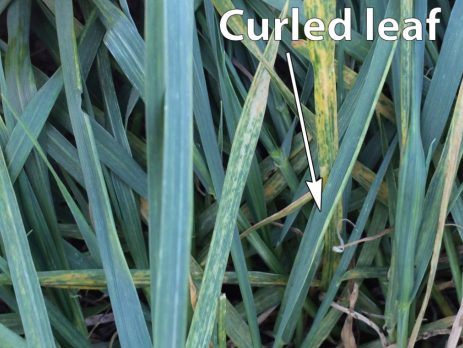
Symptoms of wheat streak mosaic include whitish to yellow streaking, which will usually be more pronounced toward the leaf tip. Note the curled leaf is where a colony of mites live.

Tackling wheat mosaic virus in Central, Western Kansas

A devastating outbreak of wheat mosaic virus hit Kansas in 2025, threatening the state’s multi-billion-dollar industry that produces 24% of the nation’s wheat crop. With potential yield losses exceeding 80% in infected fields, Kansas farmers and rural communities were faced with millions of dollars in losses. The disease is carried by a wind-born microscopic mite and cannot be controlled [...]

Read more...