Extension programming educates, empowers teens to make informed health choices in supportive environments
Teenage youth are one of our greatest resources for influencing change that leads to healthier communities; they are our next generation of leaders. When creating programming for older youth, Extension specialists take into consideration the unique physical, emotional and social changes during adolescence to tailor programming effectively. Across the country, Extension is tackling health issues for teenagers with innovative concepts that make an impact.
Here are a few examples of that work:
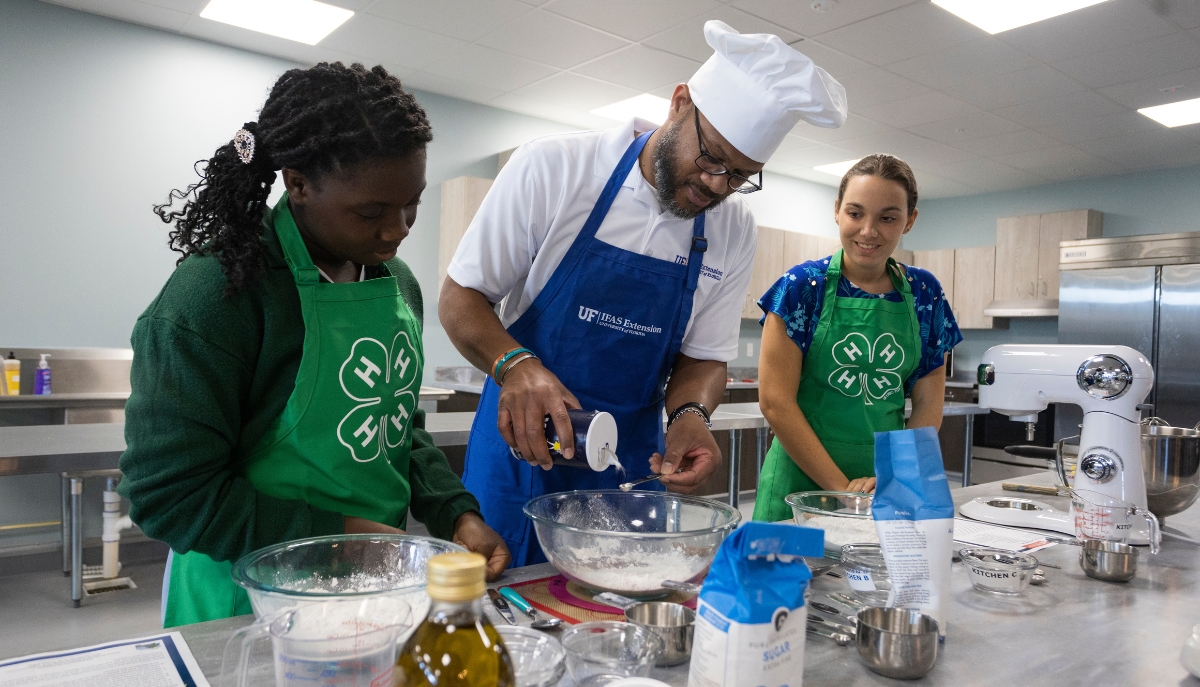
- Food safety, food preparation, nutrition and kitchen safety are essential skills for both adolescents and adults. These skills contribute to healthier lifestyles, prevent foodborne illnesses and promote overall well-being. In Illinois, the Food Challenge program increased participants’ understanding of “MyPlate,” food nutrients and their functions, the importance of food safety and knowledge of kitchen safety. Sixty-two percent of participants reported making healthier food choices. Upticks were also seen in teamwork, communication and confidence in cooking. When adolescents, who represent adults of the future, possess the skills to safely prepare healthy food, the public benefits through improved public health outcomes, reduced healthcare costs and enhanced food security.
University of Illinois Extension. Supported by non-profit grants and contracts; Smith-Lever (3b&c) capacity funds. See full statement.
- Early adolescence is considered a high-risk age for experimenting with tobacco, alcohol and other drugs. In Michigan, many youth also face stress, anxiety and exposure to substance use in their families or communities and need practical skills to cope with life’s challenges, communicate effectively and make healthy choices. Extension programming addresses this critical need by helping youth ages 8 to 14 understand the risks of substance use and build the confidence to say no. During 2024-25, the team expanded substance use prevention education for Michigan youth through school and community partnerships across nine counties, reaching 529 youth. Lessons were offered in multiple formats, including in-school, after-school and camp settings, with one overnight camp experience. Educators worked closely with schools to integrate this programming into existing health and science classes. Lessons included interactive activities, and focused on understanding different drugs and their effects, the progression of addiction, refusal skills, stress management and empathy for people experiencing substance use disorders. By equipping Michigan youth with accurate information about substances and practical skills for healthy decision-making, Extension programming supports healthier individuals, families and communities. Youth who can recognize the risks of substance use, manage stress in constructive ways and resist peer pressure are more likely to avoid early experimentation and long-term addiction. Their increased empathy and reduced stigma toward people experiencing addiction can also improve social support for recovery within their communities.
Michigan State University Extension. Supported by Smith-Lever (3b&c) capacity funds; non-profit grants and contracts. See full statement.
- According to the Center for Innovation in Pediatric Practice, 15% to 57% of adolescents experience limited health literacy. Low health literacy is a significant problem because it can lead to poor health outcomes and increased healthcare costs. In Mississippi, Extension specialists developed a program to provide structured health promotion education and opportunities for youth-led action that promotes health and improves health literacy and healthy lifestyle choices. The curriculum teaches youth about key health topics such as chronic disease prevention, oral health, relationships, vaccines and healthy lifestyle behaviors. Extension specialists also guide participants through social media health messaging and action-oriented volunteer service projects that support community health. The online delivery model expanded access and flexibility, allowing youth and educators to participate regardless of location. A total of 108 teenagers completed 20,000 service contracts, contributing 1,144 volunteer service hours during FY 2025. Youth applied their knowledge through community service projects, health promotion activities and peer-to-peer messaging. Outcomes indicated increased knowledge across multiple health topics, including disease prevention and healthy lifestyle behaviors. Participants also reported gains in leadership, communication and life skills.
Mississippi State University Extension Service. Supported by Smith-Lever (3b&c) capacity funds. See full statement.
Photo courtesy of Tyler Jones/UF/IFAS.