Tag - Food Security

Topic

young child walking in strawberry patch

Land-grant university research and Extension support resilience for youths, families and communities nationwide

Here are a few examples of that work:  The effectiveness of the Department of Defense’s Military Family Readiness System depends on well-trained Extension professionals with research-based tools and resources. Extension specialists in Kentucky contributed by providing personal finance training to military service providers so they can pass on knowledge, tools and resources that help military families prevent and navigate financial [...]

Read more...
Healthy foods and exercise equipment.

Land-grant university research and Extension strengthen nutrition, health and well-being

Chronic diseases are the leading cause of illness, disability and death in America. Research and Extension are fighting back. Over half of adults who participated in a Texas diabetes education program now choose healthier foods, monitor glucose levels during exercise, and control their diabetes to avoid interference with daily life. These changes could help participants save up to $94,021 in [...]

Read more...
Vegetables for sale at a farmers market stand.

Research and Extension ensure everyone has ample access to affordable, safe, nutritious food

Invasive pests damage crops, costing U.S. agriculture an estimated $30 billion every year. Pest management research and Extension stabilize the food supply chain. Researchers and Extension specialists in Oregon, developed cost-effective alternatives to glyphosate for herbicide-resistant Russian thistle control, protecting more than 30,000 acres of wheat and preventing over $1 million in yield losses so far.Oregon State University Extension Service. [...]

Read more...
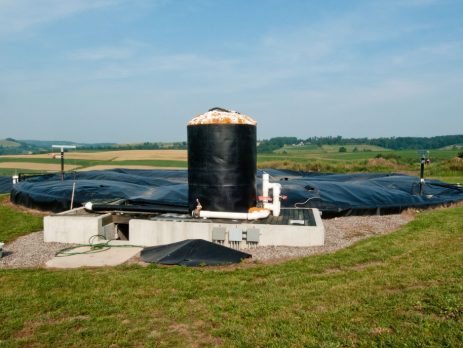
A river bisects a field and forested riparian area

Research and Extension support resilient ecosystems

Recent studies and programs are conserving and protecting water used for drinking, fishing, irrigation and recreation.  Washington research helped establish 25 anaerobic digesters across the Pacific Northwest, turning dairy manure from more than 143,000 cows into biogas that provides more than 126 million kilowatt-hours of renewable energy per year. Digesters decrease water quality risks associated with nutrient runoff from manure [...]

Read more...

Land-grant university research and Extension drive new biofuels, bioplastics, biochar and other bio-based products, strengthening rural economies, environmental health and energy security

Here are a few examples of that work:  Partnering with a private company, scientists in Pennsylvania roduced and tested biomaterials to replace single-use, petroleum-based plastics. New composites made from cellulose and starch have improved stability and barrier properties and have been developed into compostable food packaging and handling products; adhesives and foams for packaging, wood composites and construction materials; and [...]

Read more...
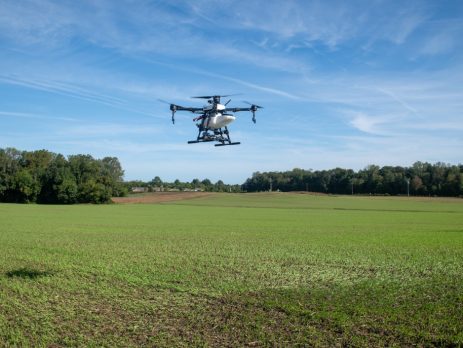
A drone flies over a field.

Research and Extension make agricultural systems more efficient, profitable, competitive and resilient

Strategies and tools for managing crop pests and diseases have increased productivity and profitability. For example: Extension units across the nation offer plant and pest diagnostic clinics. In New Mexico, free diagnoses saved producers an estimated $36,000 in testing fees in 2025, while also supporting biosecurity and export compliance. In Indiana, lab results and recommendations saved clients $890,000 in reduced [...]

Read more...
an instructor tutors an adult student

Reducing barriers to strengthen community resilience across Florida

Nearly half of Pasco County households (more than 109,000) struggle to meet basic needs. Of the county’s 230,060 households, 28,079 live below the federal poverty line, while 80,928 fall under the ALICE (Asset Limited, Income Constrained, Employed) threshold. East Pasco communities face the greatest hardship, with 62% of Zephyrhills residents, 58% of Lacoochee residents and 52% of Dade City [...]

Read more...
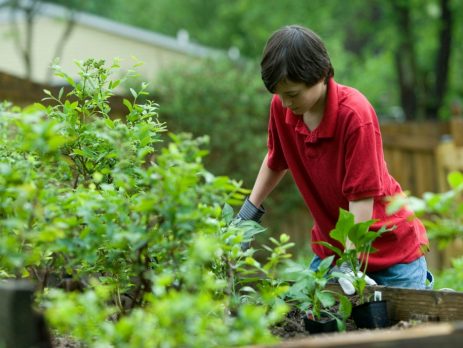
a young boy gardening

Growing healthy kids and strong communities through gardening in North Dakota

The children of North Dakota are the state’s most valuable resource, yet many face serious nutrition and physical activity challenges. Surveys show that 99% of high school students do not consume the recommended daily amount of vegetables, 32% are overweight or obese and 70% are not physically active daily. These trends threaten long-term health outcomes and highlight the need [...]

Read more...
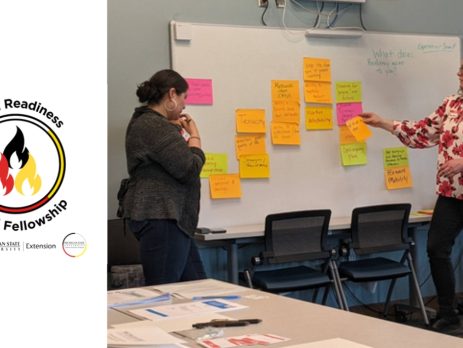
the tribal fellowship logo and a photo of facilitators at a board

Collaborative planning strengthens tribal economic resiliency and leadership capacity

Tribal Nations continue advancing economic resiliency efforts for their communities grounded in sovereignty, cultural values and priorities. Strategic planning that reflects Tribal governance structures, supports internal capacity and strengthens leadership skills is essential for addressing complex challenges related to housing, food sovereignty, financial literacy and long-term community well-being. Creating space for Tribal leaders to collaboratively reflect, refine plans and [...]

Read more...
Wellness on Wheels truck

Empowering community resilience

Community resilience support is a critical function of the land-grant system because it equips individuals, families and local organizations with the knowledge, tools and partnerships needed to adapt to economic, environmental and public health challenges. Through research-based education and Extension outreach, land-grant universities strengthen local capacity, promote equity and help communities not only recover from disruption but build long-term [...]

Read more...
Multiple glass containers with orange and red fruit liquids in them sit on a table.

Researchers look to science for healthier, better tasting food and drink

Working to create better tasting and more wholesome foods via science means not only healthier consumers, but also more markets for producers and value-added opportunities for entrepreneurs. At land-grant universities across the country, food scientists work to make sure agricultural commodities and value-added products have the best taste, texture, aroma and appearance possible, without compromising — and sometimes even [...]

Read more...
a senior couple holds hands and looks at their land

Reducing farm stress

Farm stress management addresses the unique mental, emotional and financial pressures that agricultural producers face, helping them build resilience as they confront unpredictable weather, volatile markets and demanding workloads. Supporting farmers’ well‑being is critical not only for their personal health but also for the stability and sustainability of our food systems and rural communities. Extension plays an essential role [...]

Read more...
egg and avocado on toast

Online resource a ‘recipe’ for healthier, more affordable food choices

Many Michigan residents face barriers to healthy eating, including limited time, cooking knowledge and financial constraints. Having easy, affordable and nutritious meal ideas readily available can improve food security and support long-term health. However, people often struggle to find the practical resources to meet their needs.  In June 2025, Michigan State University (MSU) Extension launched a free online recipe website to [...]

Read more...
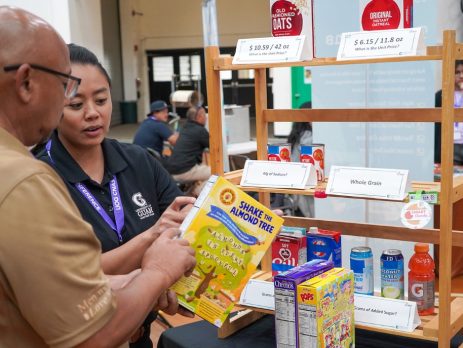
an Extension agent shows a member of the public how to read a nutrition label on a box of cereal

Improving food and nutrition knowledge and skills

The Expanded Food and Nutrition Education Program (EFNEP) helps adult and youth participants improve their nutrition and health. It promotes budget-friendly food choices by teaching skills in how to plan meals, shop wisely, and prepare affordable, nutritious foods. It empowers participants and builds self-confidence, leadership and lifelong healthy habits. By teaching food resource management and efficient use of available [...]

Read more...
UME Agent, Shauna Henley, preparing mason jars for sterilization

Extension trainings keep Americans safe from foodborne illness

Foodborne illness is a widespread, costly public health concern in the United States. Each year, one in six Americans becomes sick from contaminated food, leading to hospitalizations, long-term health complications and even death. Pregnant women, the elderly, young children and people with weakened immune systems or chronic diseases are most at risk. Because food safety risks can occur at [...]

Read more...
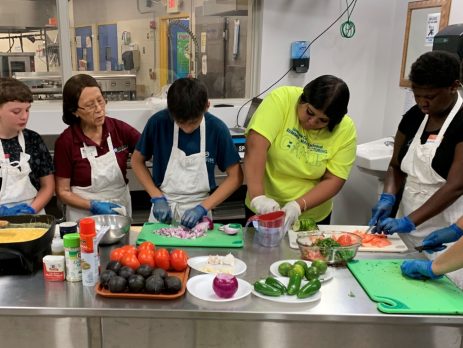
a group of youth and an instructor cook in an industrial kitchen

Expanding food and nutrition education among youth

Early habits among youth often last a lifetime. Extension provides the Expanded Food and Nutrition Education Program (EFNEP) to both youth and adults to improve habits in nutrition, physical activity and food safety. Youth-centered programs help participants develop healthy habits, reduce obesity levels and promote overall well-being. Here are a few examples of that work: Youth in Maine face high rates [...]

Read more...
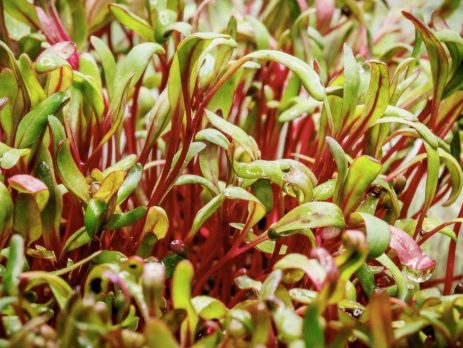
microgreens

Enhancing the safety and nutrition of hydroponic produce

Hydroponic farming offers a sustainable way to grow safe, healthy food while using less water, land and energy. However, food safety concerns and limited strategies to boost nutritional quality remain key challenges. This project addresses these issues by developing clean, chemical‑free technologies — specifically laser and ultrasound treatments — to reduce harmful bacteria and enhance the nutritional value of [...]

Read more...
an Extension agent shows youths plants from a community garden

Encouraging health and wellness in U.S. youth through hands-on activities, education

One in five school-aged children nationally suffer from obesity, and regular physical activity and balanced diets can lead to improved focus, behavior, self-esteem and academic performance. Encouraging healthy behaviors at an early age fosters a value for physical activity, healthy eating and preventive habits. These healthy behaviors can lead to fewer chronic diseases, resulting in lower health care costs and a [...]

Read more...
gallons of milk

Artificial intelligence decodes microbes’ message in milk safety testing approach

Ensuring the safety and integrity of the food supply is critical to public health, consumer confidence and the economic stability of the agricultural sector. In a groundbreaking collaboration, researchers from the Pennsylvania State University, Cornell University in New York, and IBM Research have demonstrated how artificial intelligence can strengthen dairy safety by detecting subtle microbial signals that indicate potential [...]

Read more...
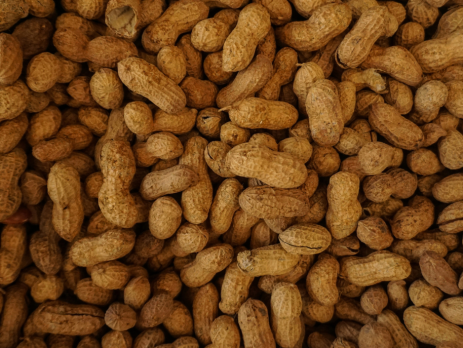
peanuts

Wild peanut varieties source of disease resistance

Cultivated peanuts are plagued by diseases and pests, which make them expensive to grow as use of chemical controls account for more than 30% of the cost of production. Peanuts have little genetic variety, so there is a small pool of resistance genes to combat sickness in this plant.  Wild peanut species, on the other hand, have strong resistances to [...]

Read more...
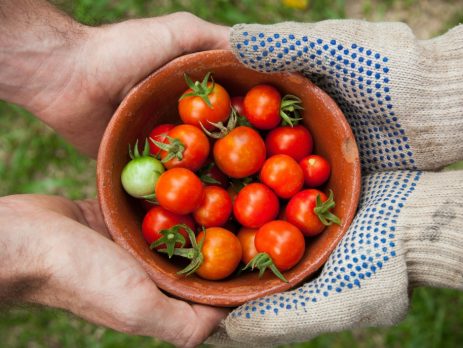
two pairs of hands holding a bowl of tomatoes

Veterans grow food, community and connection through gardening initiative

Military veterans and their families often face challenges related to physical and mental well-being, social isolation and food insecurity. Michigan State University Extension’s Seeds in Action initiative helps veterans grow healthy food and build meaningful relationships – addressing these critical public health challenges. The Seeds in Action program provides seed packets and gardening education to help veterans grow their [...]

Read more...
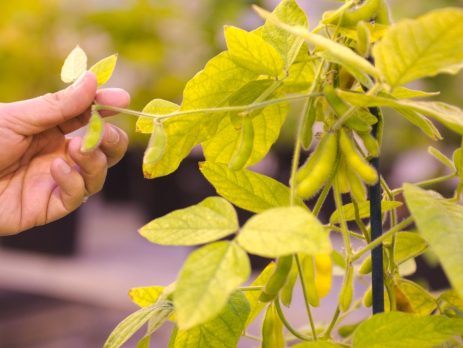
soybeans

Using genetics for crop disease resistance

Pests of major crops, including wheat, soybean, potatoes, tomatoes and wine grapes, cost American producers billions in yield losses each year and raise prices for consumers. Pathogens are steadily overcoming current genetic sources of resistance, making continuing efforts to identify and incorporate new genetics critical to reduce losses to farmers and protect markets and food security. Here are a few [...]

Read more...
screwworm fly

The U.S. prepares for a potential screwworm outbreak

As a New World Screwworm (NWS) outbreak spreads from Central America to Mexico, states in the Southwest are ramping up efforts to raise awareness among livestock producers of the current status, management methods and the impacts this devastating pest may have on livestock in the event of a U.S. outbreak.  Numerous presentations have been offered in-person and online in Oklahoma [...]

Read more...
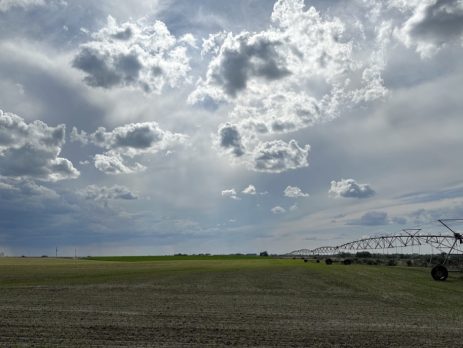
irrigation of a field

The relationship between irrigation and child nutrition

There is an assumption that irrigation automatically leads to better food security. But irrigation doesn’t consistently improve nutrition because regions with sufficient water often use irrigation for export-oriented cash crops, which are less likely to enter the local food system.   A major study had Vermont researchers partnering with other institutions to show that irrigation expansion in the Global South is linked [...]

Read more...
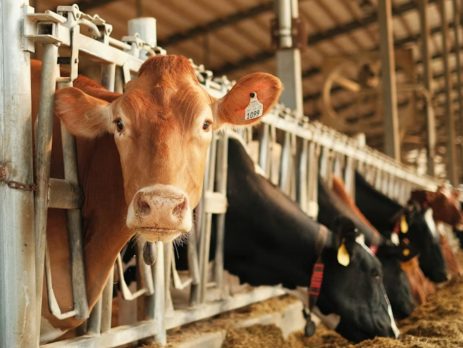
dairy cows in a barn

Supporting meat and dairy industries

Meat and dairy provide critical protein and a wide variety of other products for consumers and represent economically important industries across the country, not just for producers, but also for processors, groceries and restaurants. Research and Extension professionals at land-grant institutions support livestock and related industries in many ways through education on economically efficient production practices and research on [...]

Read more...