Enhancing the safety and nutrition of hydroponic produce
Hydroponic farming offers a sustainable way to grow safe, healthy food while using less water, land and energy. However, food safety concerns and limited strategies to boost nutritional quality remain key challenges. This project addresses these issues by developing clean, chemical‑free technologies — specifically laser and ultrasound treatments — to reduce harmful bacteria and enhance the nutritional value of hydroponic crops. Understanding growers’ needs also helps ensure these innovations are practical, adoptable and beneficial for North Carolina’s local food system.
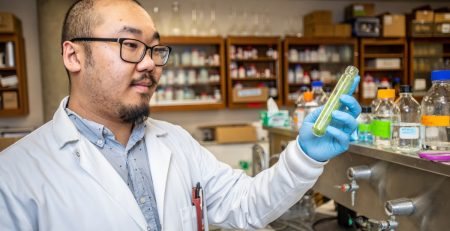
Researchers at North Carolina A&T State University tested simple, safe methods to improve both food safety and nutrition in hydroponic produce. One approach used a blue laser combined with riboflavin, a natural vitamin, to kill dangerous bacteria such as E. coli quickly and without chemicals. They applied laser and ultrasound treatments to seeds and sprouts to improve germination, growth and antioxidant levels. The team also evaluated different growing materials to identify the most effective options for nutrient enhancement.
Beyond the lab, researchers collected data from hydroponic farms across the Southeastern United States. They analyzed how factors such as farm location, market access and technical support influence entrepreneurship and long‑term success. Suitability analyses and success indices were created to assess the potential strength and growth of hydroponic operations in the region.
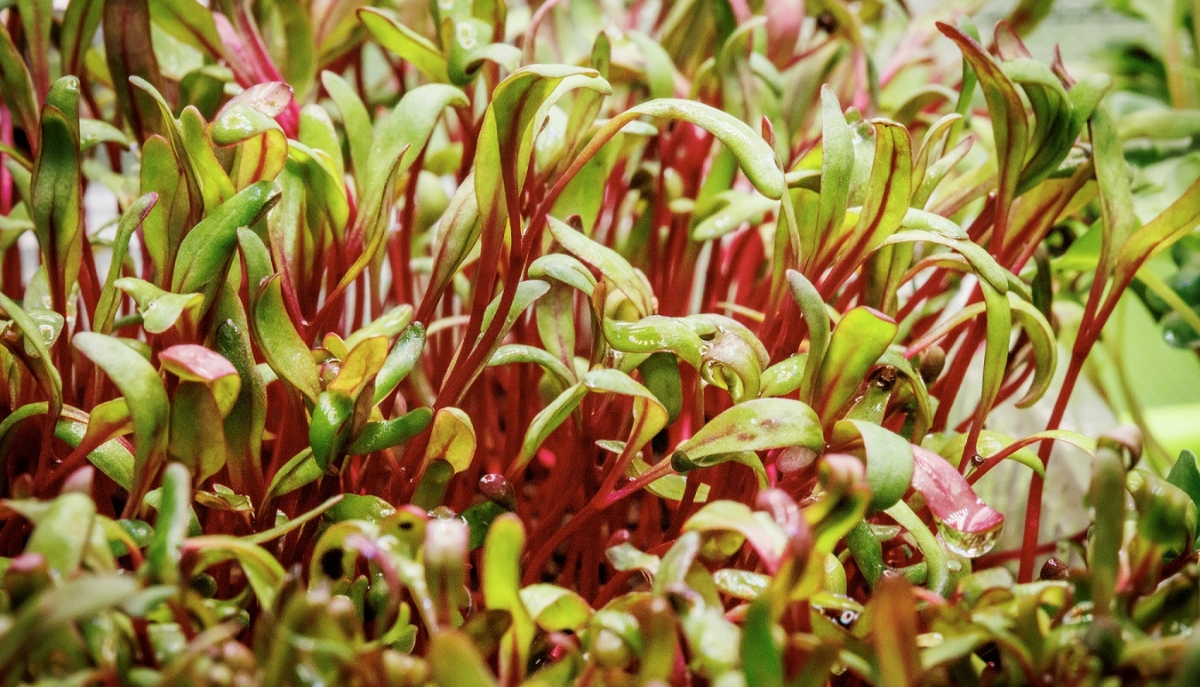
The results were promising. Laser treatment combined with riboflavin effectively inactivated E. coli in both liquids and on agar surfaces, offering a clean, chemical‑free disinfection solution. Ultrasound also reduced bacteria on leafy greens, including lettuce and spinach. Laser and ultrasound treatments improved seed germination and plant development in microgreens like broccoli, radish and kale. In addition, laser treatment paired with coco coir, a growing medium, increased natural antioxidants, making sprouts healthier and more vibrant.
Overall, the study shows that innovative, chemical‑free technologies can significantly improve the safety and nutritional quality of hydroponic produce while supporting farming practices.
North Carolina A&T State University Agricultural Research Station | Project supported by Evans-Allen capacity funds. Photo courtesy of North Carolina A&T State University Agricultural Research Station.