Making nutritious compounds more readily available to the body
Although bioactive compounds extracted from fruits and vegetables have many health benefits and are common ingredients in nutrition supplements, they are not easily absorbed during digestion and their full nutritive value is mostly wasted.
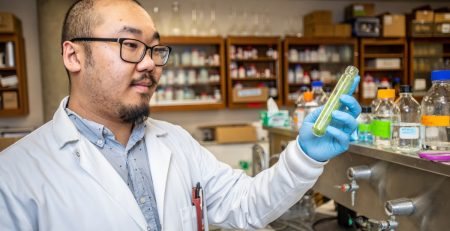
A researcher with the University of Arkansas Agricultural Experiment Station working at the intersection of food engineering and human health is putting together two state-of-the-art technologies to convert these compounds into useable products.
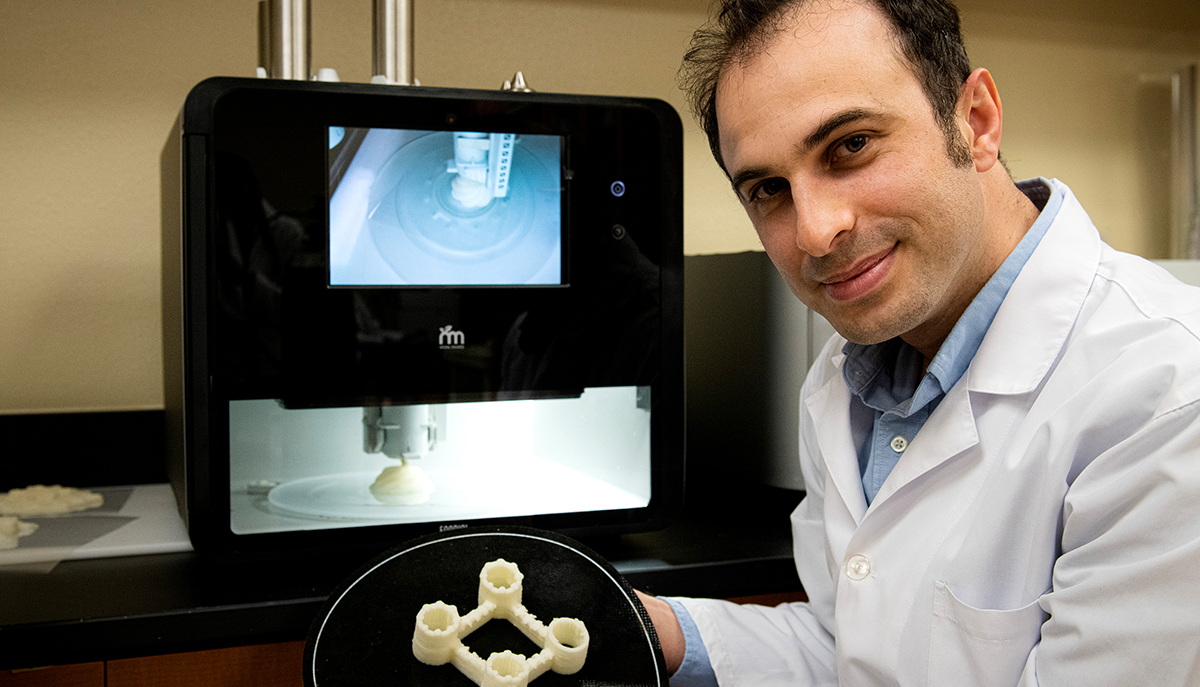
Bioactive compounds generally have water-insoluble crystalline structures, as well as poor chemical stability, losing effectiveness quickly and shortening their shelf life. The process includes first using supercritical carbon dioxide to reduce the bioactive compounds to a nanoscale and drying them in a form that avoids crystallization. Then precision 3D food printing is used to load the nanoscale bioactive compounds into a digestible starch biopolymer.
The researcher is simulating digestion in a lab to assess that the process makes the products more available to human tissue. The next step is an in vitro test to confirm the transfer of nutritional value.
Application of this one-two punch of new technologies could improve human nutrition, one day leading to new ways to prepare convenient, healthy foods.
Project supported by AFRI and state appropriations funds. Photo courtesy Arkansas Agricultural Experiment Station.