
Diabetes education helps individuals, families manage chronic disease
Type 2 Diabetes is increasing at an epidemic rate in the U.S. This chronic disease requires daily management to control blood sugar levels and prevent life-changing complications. Many individuals and families struggle with diet modifications that would help manage health and also have limited access to nutrition and diabetes professionals. The Land-grant University System helps fill that gap, providing training and resources that can lead to substantial improvements in blood glucose levels and reduce medication costs.
Here are a few examples of that work:
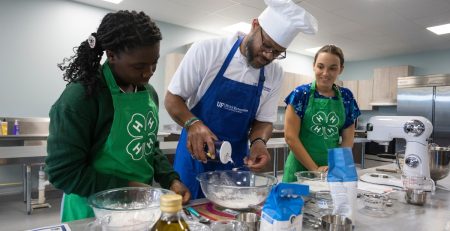
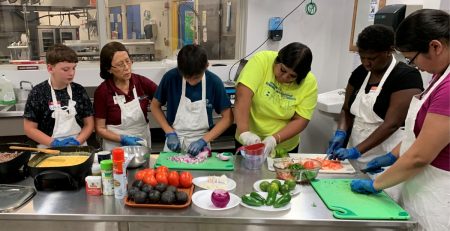
- Extension professionals from New Mexico provided diabetes cooking schools. Diabetes education decreases healthcare costs and lost productivity at work, and this course saved participants up to $216,000 collectively.
New Mexico State University, project supported by Smith-Lever (3b&c) funds. See full statement. - The Mashantucket Pequot Tribal Nation and Connecticut Extension partnered to address high levels of obesity and diabetes among Tribal youth, who were engaged through cooking and nutritional workshops, as well as a fitness class.
University of Connecticut, project supported by Smith-Lever 3d and Smith-Lever (3b&c) funds. See full statement. - Texas Extension Cooking Well with Diabetes introduced participants to meal planning and food preparation methods that increase the consumption of fruits, vegetables and fiber while decreasing sodium and saturated fat. As a result, 53% of participants use the MyPlate method of planning meals more often.
Texas A&M AgriLife Extension, project supported by state appropriations and county funding. See full statement. - American Samoa Extension professionals integrated diabetes resources into nutrition education outreach consisting of cooking presentations, food demonstrations and physical activity sessions during National Nutrition Month. There were 280 students at the events held in conjunction with local schools.
American Samoa Community College, project supported by Smith-Lever (3b&c) funds. See full statement. - Oklahoma Extension started Live Well, Eat Well, be Active with Diabetes (L.E.A.D.) in 2017, and 83% of participants significantly increased their “Live Well” score. This measured knowledge and behaviors of diabetes management including what can increase or decrease blood glucose, managing stress and regularly checking blood glucose levels and feet.
Oklahoma State University, project supported by state appropriations and county funding. See full statement.