Tag - Advanced Breeding/Genomics

Topic

Vegetables for sale at a farmers market stand.

Research and Extension ensure everyone has ample access to affordable, safe, nutritious food

Invasive pests damage crops, costing U.S. agriculture an estimated $30 billion every year. Pest management research and Extension stabilize the food supply chain. Researchers and Extension specialists in Oregon, developed cost-effective alternatives to glyphosate for herbicide-resistant Russian thistle control, protecting more than 30,000 acres of wheat and preventing over $1 million in yield losses so far.Oregon State University Extension Service. [...]

Read more...
A river bisects a field and forested riparian area

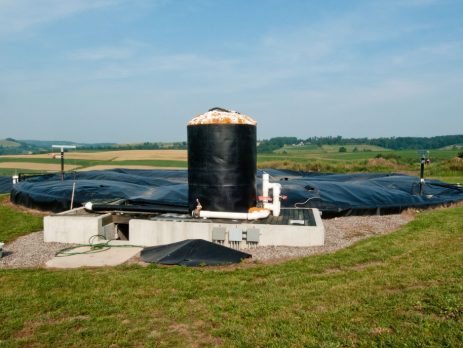
Research and Extension support resilient ecosystems

Recent studies and programs are conserving and protecting water used for drinking, fishing, irrigation and recreation.  Washington research helped establish 25 anaerobic digesters across the Pacific Northwest, turning dairy manure from more than 143,000 cows into biogas that provides more than 126 million kilowatt-hours of renewable energy per year. Digesters decrease water quality risks associated with nutrient runoff from manure [...]

Read more...

Land-grant university research and Extension drive new biofuels, bioplastics, biochar and other bio-based products, strengthening rural economies, environmental health and energy security

Here are a few examples of that work:  Partnering with a private company, scientists in Pennsylvania roduced and tested biomaterials to replace single-use, petroleum-based plastics. New composites made from cellulose and starch have improved stability and barrier properties and have been developed into compostable food packaging and handling products; adhesives and foams for packaging, wood composites and construction materials; and [...]

Read more...
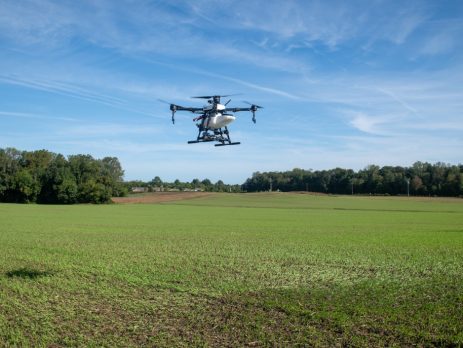
A drone flies over a field.

Research and Extension make agricultural systems more efficient, profitable, competitive and resilient

Strategies and tools for managing crop pests and diseases have increased productivity and profitability. For example: Extension units across the nation offer plant and pest diagnostic clinics. In New Mexico, free diagnoses saved producers an estimated $36,000 in testing fees in 2025, while also supporting biosecurity and export compliance. In Indiana, lab results and recommendations saved clients $890,000 in reduced [...]

Read more...
High School Students pipetting as fellow high school students wait their turn during a workshop on using precision-cut lung slices to study lung biology

Expanding rural youth access to biomedical research careers

Rural students often have limited access to immersive STEM experiences that expose them to advanced scientific research and biomedical career pathways. Without early engagement and mentorship, many young people, particularly first-generation college students, lack awareness of academic opportunities in health science and regenerative medicine fields. This gap limits workforce pipeline development and participation in high-demand STEM careers.  The University of [...]

Read more...
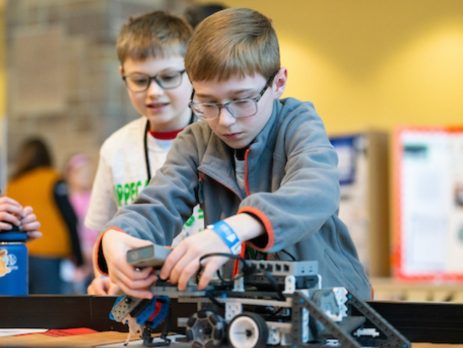
a 4-H student operates a robot

Engaging students in STEM, robotics

Exposing youth to innovative technology builds digital literacy, problem-solving skills and career readiness, preparing the next generation to compete in a rapidly evolving, technology-driven workforce. Together, youth-focused technology education and land-grant leadership create a pipeline of skilled leaders who can drive economic growth and address complex local and global challenges. Here are a few examples of that work: South Dakota middle [...]

Read more...
Multiple glass containers with orange and red fruit liquids in them sit on a table.

Researchers look to science for healthier, better tasting food and drink

Working to create better tasting and more wholesome foods via science means not only healthier consumers, but also more markets for producers and value-added opportunities for entrepreneurs. At land-grant universities across the country, food scientists work to make sure agricultural commodities and value-added products have the best taste, texture, aroma and appearance possible, without compromising — and sometimes even [...]

Read more...
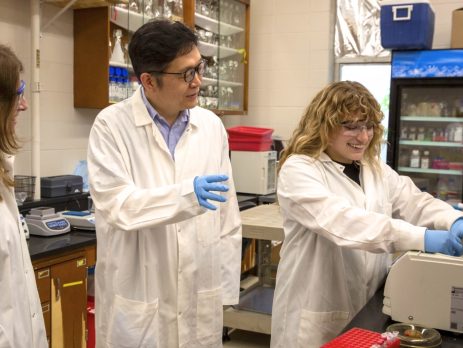
scientists working in the lab

Research at land-grant universities looks to answer complicated disease questions

The basic and applied research that happens in labs at land-grant universities across the country helps to answer questions about the origins of devastating diseases such as ovarian cancer, early-onset Alzheimer’s, kidney fibrosis and Zika virus by diving into disease modeling, gene identification, cancer receptors and cell aging. This research works toward preventions, therapies and perhaps even cures. Here are [...]

Read more...
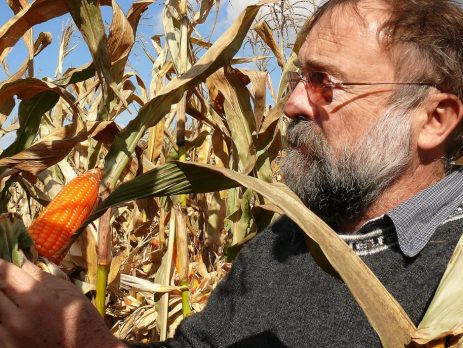
researcher looking at orange corn on the stalk

Breeding corn with orange grain high in antioxidant carotenoids

Carotenoids are antioxidant compounds naturally found in plants, but humans cannot synthesize them and must obtain them through diet. In the U.S., there are widespread deficiencies in two key macular carotenoids — lutein and zeaxanthin — which accumulate in the retina and brain. Low levels of these nutrients are linked to poorer visual health, increased risk of age‑related macular [...]

Read more...
peanuts

Wild peanut varieties source of disease resistance

Cultivated peanuts are plagued by diseases and pests, which make them expensive to grow as use of chemical controls account for more than 30% of the cost of production. Peanuts have little genetic variety, so there is a small pool of resistance genes to combat sickness in this plant.  Wild peanut species, on the other hand, have strong resistances to [...]

Read more...
soybeans

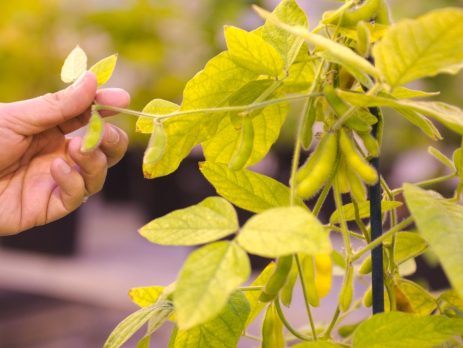
Using genetics for crop disease resistance

Pests of major crops, including wheat, soybean, potatoes, tomatoes and wine grapes, cost American producers billions in yield losses each year and raise prices for consumers. Pathogens are steadily overcoming current genetic sources of resistance, making continuing efforts to identify and incorporate new genetics critical to reduce losses to farmers and protect markets and food security. Here are a few [...]

Read more...
dairy cows in a barn

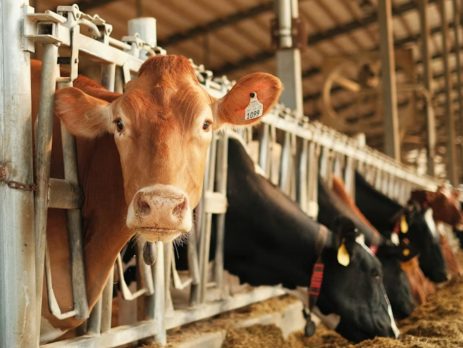
Supporting meat and dairy industries

Meat and dairy provide critical protein and a wide variety of other products for consumers and represent economically important industries across the country, not just for producers, but also for processors, groceries and restaurants. Research and Extension professionals at land-grant institutions support livestock and related industries in many ways through education on economically efficient production practices and research on [...]

Read more...
sorghum varieties

Research and development of water-resilient sorghum expands rural economic opportunities in the West

In water-limited agricultural landscapes of the West, sustaining food crops for beef and dairy has become increasingly challenging. Traditional feed crops such as maize and alfalfa require large amounts of water, threatening herds and pushing researchers to explore more resilient alternatives.  As a result, scientists with the Nevada Agricultural Experiment Station are combining genetic improvements and precision agriculture to improve [...]

Read more...

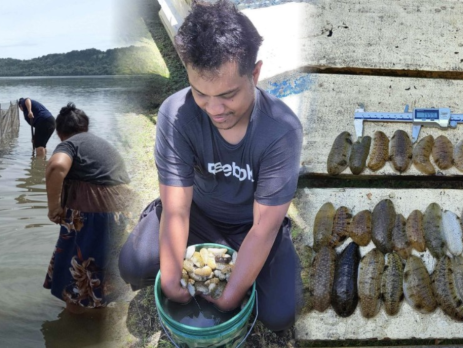
Making aquaculture more productive, safe and economical

The seafood industry is economically vital and provides an important source of protein for the world. Challenges to aquaculture include inefficient production methods, expensive feed inputs and food safety. Land-grant efforts are protecting and promoting this booming industry. Here are a few examples of that work: As feed is the most expensive cost of aquaculture, researchers in Alabama are developing feeds [...]

Read more...
A researcher injects a tick embryo under the microscope.

International collaboration to attack the cattle fever tick

Building on previous success developing genetic tools to combat deer ticks, researchers in Nevada are partnering with those in Uruguay to genetically modify cattle tick genes.  Cattle fever ticks were largely eradicated in the United States but sporadically show up in outbreaks tied to cross-border movement. Current control methods rely heavily on chemical pesticides, which can harm humans, pass into [...]

Read more...
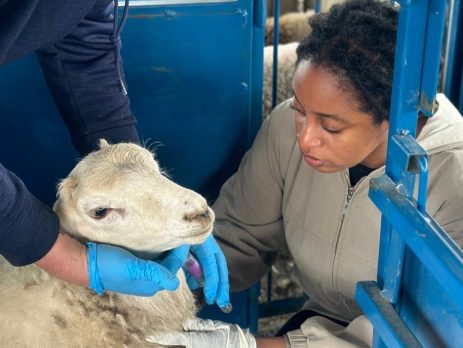
a vet giving a sheep a vaccine

Enhancing food safety with research and training

The United States food supply is among the safest in the world, but every day news stories report food recalls for a variety of safety reasons. Food safety must be maintained through every step of the production process, and land-grant institutions are the key to research and training that helps the food industry provide safe, healthy food. Here are a [...]

Read more...
grapes on the vine

Disease-resistant wine grape reduces losses in Florida

Pierce’s disease devastates grapevines in warm, humid regions like Florida, making wine grape production nearly impossible without costly interventions. This disease forces growers to rely on chemical treatments and limits the viability of vineyards in the Southeast.  Plant breeders there successfully grew a new wine grape variety with genetic resistance to Pierce’s disease while maintaining desirable wine-making qualities. They used [...]

Read more...
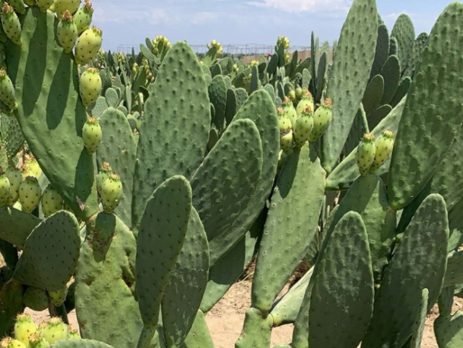
cacti

Developing sustainable domestic biofuels

Land‑grant universities are developing sustainable bioproduct solutions that transform renewable biomass, including food and agricultural wastes, into valuable materials. These bioproducts strengthen national energy and food security, lower greenhouse gas emissions and support rural economies. They also create new markets, provide farmers with additional income opportunities and help to reduce dependence on fossil fuels. Here are a few examples of [...]

Read more...
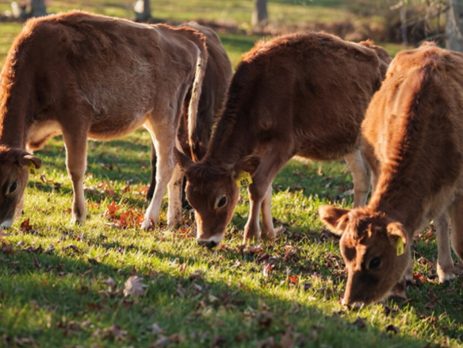
cattle in a field

Tech solutions for livestock management

Livestock producers face challenges such a shrinking labor force, limited veterinary access and rising costs. Artificial intelligence, precision agriculture technologies and genome sequencing have shown promise in improving livestock management, but up-front costs have generally restricted adoption to large-scale dairies. Small farms need economically feasible, effective tools tailored to their specific operations. Here are a few examples of that work: Researchers [...]

Read more...
cornfield

Scientists unravel corn pest’s overwintering genes

Western and northern corn rootworms cost U.S. growers more than $1 billion each season. The larvae chew roots that anchor and feed corn plants, knocking down stalks and trimming grain weight. The beetles have become resistant to pesticide rotations and other control tactics, while the eggs they lay in soybean fields lie dormant until corn returns the following spring.  At the [...]

Read more...
A pair of hands in yellow gloves gently hold a strawberry plant, showing a flower and immature green strawberry, in a strawberry field.

Research helps increase specialty crop profitability

Specialty crop growers provide popular products to consumers. There are many challenges to growing the products commercially. Land-grant universities support growers with research and resources that help increase profitability and informed decision-making. Here are a few examples of that work: Apples are a popular product among consumers, but there are many challenges to growing them commercially in the Midwest and making [...]

Read more...
berries on the vine

New fruit, vegetable cultivars offer new opportunities for growers

Developing or restoring different fruit and vegetable cultivars allow farmers to plant crops based on disease resistance, fertilizer requirements, adaptations to site-specific soil and weather conditions or greater yields. Some cultivars can be a pathway to new market opportunities and new bio-based products. Here are a few examples of that work: Hemp is re-emerging as the basis of a viable industry [...]

Read more...
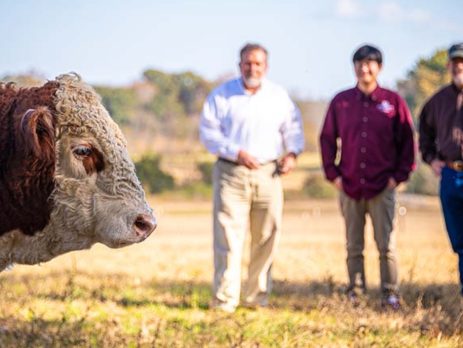
Scientists stand in a pasture with a bull in the foreground

Fine-tuning livestock production systems to overcome challenges

Livestock researchers are exploring new ways to achieve higher profitability through reproductive research, technology and traditional education outreach to help offset rising production costs. Here are a few examples of that work: In Louisiana, the Geaux Beef Heifer Development Program was created to support producers with expert-guided, forage-based heifer development. The program utilized artificial insemination or natural breeding combined with expert [...]

Read more...
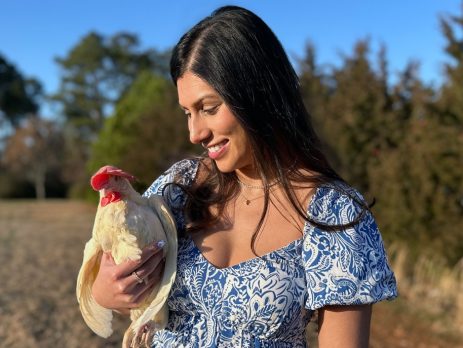
women holding a hen

Creating healthier, higher-yielding eggs

Researchers at North Carolina State University have found several ways to increase egg production, ensuring a steady inventory hits the grocery supply chain.  With more eggs coming from cage-free housing, as much as 40% in 2024, commercial egg producers have heightened interest in understanding which hens are most adaptive to this environment.  In cage-free housing, thousands of hens can fly freely [...]

Read more...
Tahirah Johnson examines testing samples under a magnifying glass in a research lab on the University of Maryland Campus in 2024.

Innovative methods for safer, healthier food production practices

Regional food production is critical to local economies and supporting American food systems. Rising reports of foodborne illnesses, increased antibiotic resistance and newer production systems like soilless agriculture necessitate a better understanding of the risks and options to improve the safety and health value of food products from produce to shellfish and tree nuts. 1890 land-grant universities are examining [...]

Read more...