Tag - Zoonotic Diseases/Avian Influenza

Topic

Healthy foods and exercise equipment.

Land-grant university research and Extension strengthen nutrition, health and well-being

Chronic diseases are the leading cause of illness, disability and death in America. Research and Extension are fighting back. Over half of adults who participated in a Texas diabetes education program now choose healthier foods, monitor glucose levels during exercise, and control their diabetes to avoid interference with daily life. These changes could help participants save up to $94,021 in [...]

Read more...
Vegetables for sale at a farmers market stand.

Research and Extension ensure everyone has ample access to affordable, safe, nutritious food

Invasive pests damage crops, costing U.S. agriculture an estimated $30 billion every year. Pest management research and Extension stabilize the food supply chain. Researchers and Extension specialists in Oregon, developed cost-effective alternatives to glyphosate for herbicide-resistant Russian thistle control, protecting more than 30,000 acres of wheat and preventing over $1 million in yield losses so far.Oregon State University Extension Service. [...]

Read more...
A river bisects a field and forested riparian area

Research and Extension support resilient ecosystems

Recent studies and programs are conserving and protecting water used for drinking, fishing, irrigation and recreation.  Washington research helped establish 25 anaerobic digesters across the Pacific Northwest, turning dairy manure from more than 143,000 cows into biogas that provides more than 126 million kilowatt-hours of renewable energy per year. Digesters decrease water quality risks associated with nutrient runoff from manure [...]

Read more...
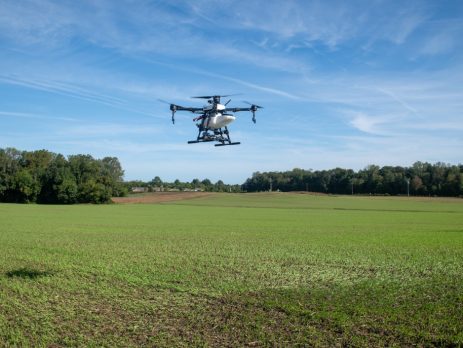
A drone flies over a field.

Research and Extension make agricultural systems more efficient, profitable, competitive and resilient

Strategies and tools for managing crop pests and diseases have increased productivity and profitability. For example: Extension units across the nation offer plant and pest diagnostic clinics. In New Mexico, free diagnoses saved producers an estimated $36,000 in testing fees in 2025, while also supporting biosecurity and export compliance. In Indiana, lab results and recommendations saved clients $890,000 in reduced [...]

Read more...
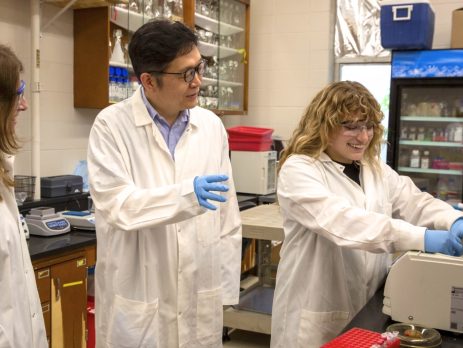
scientists working in the lab

Research at land-grant universities looks to answer complicated disease questions

The basic and applied research that happens in labs at land-grant universities across the country helps to answer questions about the origins of devastating diseases such as ovarian cancer, early-onset Alzheimer’s, kidney fibrosis and Zika virus by diving into disease modeling, gene identification, cancer receptors and cell aging. This research works toward preventions, therapies and perhaps even cures. Here are [...]

Read more...
screwworm fly

The U.S. prepares for a potential screwworm outbreak

As a New World Screwworm (NWS) outbreak spreads from Central America to Mexico, states in the Southwest are ramping up efforts to raise awareness among livestock producers of the current status, management methods and the impacts this devastating pest may have on livestock in the event of a U.S. outbreak.  Numerous presentations have been offered in-person and online in Oklahoma [...]

Read more...
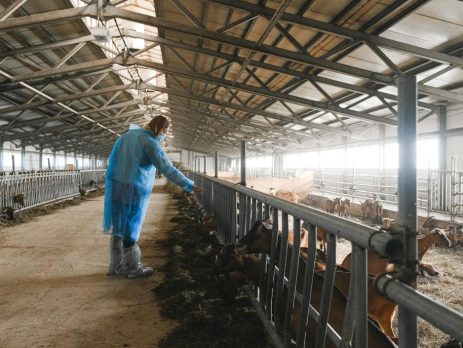
a person wearing PPE examines goats in a barn

Safeguarding farms through improved biosecurity

The University of Arkansas Cooperative Extension Service has been stepping up producer education in biosecurity and agroterrorism, and pest and disease surveillance and control, to safeguard the state’s agriculture and economy. Representatives from more than 100 counties and different agricultural sectors have participated in new agro- and bioterrorism training to increase awareness and expertise related to emerging risks in [...]

Read more...

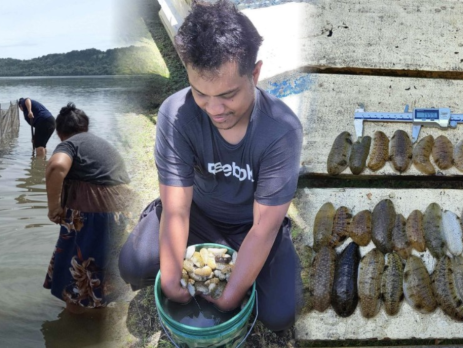
Making aquaculture more productive, safe and economical

The seafood industry is economically vital and provides an important source of protein for the world. Challenges to aquaculture include inefficient production methods, expensive feed inputs and food safety. Land-grant efforts are protecting and promoting this booming industry. Here are a few examples of that work: As feed is the most expensive cost of aquaculture, researchers in Alabama are developing feeds [...]

Read more...
A researcher injects a tick embryo under the microscope.

International collaboration to attack the cattle fever tick

Building on previous success developing genetic tools to combat deer ticks, researchers in Nevada are partnering with those in Uruguay to genetically modify cattle tick genes.  Cattle fever ticks were largely eradicated in the United States but sporadically show up in outbreaks tied to cross-border movement. Current control methods rely heavily on chemical pesticides, which can harm humans, pass into [...]

Read more...
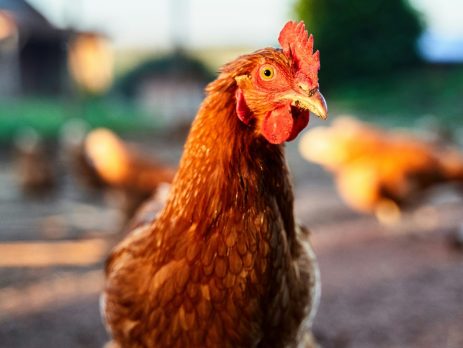
chicken

Artificial intelligence helps protect from Avian influenza

In the fight against the costly impacts of avian influenza, protecting poultry flocks from contact with wild birds is an important deterrent. However, the methods for effectively controlling wild birds are limited. In Georgia, researchers developed a novel method for detecting wild birds on farms, using night vision technology and artificial intelligence.  To aid in monitoring wild bird activities near [...]

Read more...
a chicken being held about to receive a swab test

Producers learn to manage for bird flu during outbreak

Highly pathogenic avian influenza, also known as bird flu, plagues the U.S. poultry industry. In addition to poultry impacts, the dairy industry experienced a spillover event and a one-time occurrence was identified in pigs.  Because of the changing nature of the outbreaks, Purdue Extension in Indiana worked with other state agencies to provide up-to-date information to animal producers, Extension educators [...]

Read more...
Tahirah Johnson examines testing samples under a magnifying glass in a research lab on the University of Maryland Campus in 2024.

Innovative methods for safer, healthier food production practices

Regional food production is critical to local economies and supporting American food systems. Rising reports of foodborne illnesses, increased antibiotic resistance and newer production systems like soilless agriculture necessitate a better understanding of the risks and options to improve the safety and health value of food products from produce to shellfish and tree nuts. 1890 land-grant universities are examining [...]

Read more...
chickens around a feeder

Mitigating costly poultry diseases

Avian diseases pose a major challenge to the nation’s $77 billion poultry industry and drastically increase the cost of poultry products for consumers. Avian diseases can also pose a health threat to other animals and humans. At the same time, there is a demand to produce poultry without antibiotics or other drugs commonly used to fight diseases. Working together, [...]

Read more...