Tag - Connecticut

State/Territory

Healthy foods and exercise equipment.

Land-grant university research and Extension strengthen nutrition, health and well-being

Chronic diseases are the leading cause of illness, disability and death in America. Research and Extension are fighting back. Over half of adults who participated in a Texas diabetes education program now choose healthier foods, monitor glucose levels during exercise, and control their diabetes to avoid interference with daily life. These changes could help participants save up to $94,021 in [...]

Read more...
Vegetables for sale at a farmers market stand.

Research and Extension ensure everyone has ample access to affordable, safe, nutritious food

Invasive pests damage crops, costing U.S. agriculture an estimated $30 billion every year. Pest management research and Extension stabilize the food supply chain. Researchers and Extension specialists in Oregon, developed cost-effective alternatives to glyphosate for herbicide-resistant Russian thistle control, protecting more than 30,000 acres of wheat and preventing over $1 million in yield losses so far.Oregon State University Extension Service. [...]

Read more...
A river bisects a field and forested riparian area

Research and Extension support resilient ecosystems

Recent studies and programs are conserving and protecting water used for drinking, fishing, irrigation and recreation.  Washington research helped establish 25 anaerobic digesters across the Pacific Northwest, turning dairy manure from more than 143,000 cows into biogas that provides more than 126 million kilowatt-hours of renewable energy per year. Digesters decrease water quality risks associated with nutrient runoff from manure [...]

Read more...
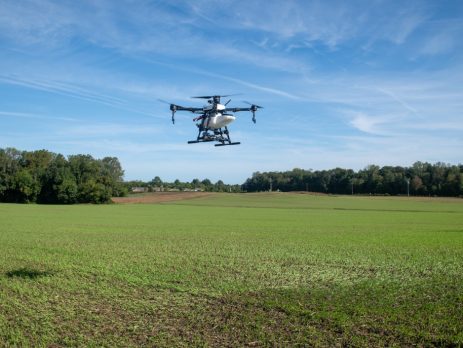
A drone flies over a field.

Research and Extension make agricultural systems more efficient, profitable, competitive and resilient

Strategies and tools for managing crop pests and diseases have increased productivity and profitability. For example: Extension units across the nation offer plant and pest diagnostic clinics. In New Mexico, free diagnoses saved producers an estimated $36,000 in testing fees in 2025, while also supporting biosecurity and export compliance. In Indiana, lab results and recommendations saved clients $890,000 in reduced [...]

Read more...
UConn Extension experts at a well water testing booth

Well water testing improves public health 

Clean and safe water is essential to public health, agricultural productivity and environmental sustainability. Those with private wells are responsible for their own water safety. Without accessible testing, education and coordinated planning, contaminants can threaten drinking water, food safety and ecosystem health, particularly in rural communities.  Here are a few examples of that work: In Connecticut, 65% of participating households took [...]

Read more...
an Extension agent shows a member of the public how to read a nutrition label on a box of cereal

Improving food and nutrition knowledge and skills

The Expanded Food and Nutrition Education Program (EFNEP) helps adult and youth participants improve their nutrition and health. It promotes budget-friendly food choices by teaching skills in how to plan meals, shop wisely, and prepare affordable, nutritious foods. It empowers participants and builds self-confidence, leadership and lifelong healthy habits. By teaching food resource management and efficient use of available [...]

Read more...
A smiling woman in a green shirt and maroon cap crouches in a sunny field, harvesting a head of deep red leaf lettuce. She is working in a well-tended garden plot with irrigation lines, representing local agricultural impact and food production

Strengthening the agricultural workforce for the future

The workforce is changing. Across industries and states, trained workers are in demand to support local food systems, meet community needs, ensure safety and increase productivity. Land-grant universities are rising to the challenge of meeting these needs through partnerships, trainings, certifications and hands-on learning opportunities that strengthen the agricultural workforce. Here are a few examples of that work: Health and safety [...]

Read more...
two smiling Extension agents in a community garden

Growing food security in urban spaces

Urban communities continue to face persistent constraints related to food access, limited growing space and water availability. Urban, small-scale food production, including controlled environment agriculture such as greenhouses and vertical farming, is a rapidly growing part of local food systems. These systems support food security, environmental sustainability and community resilience. Here are a few examples of that work: A program to [...]

Read more...
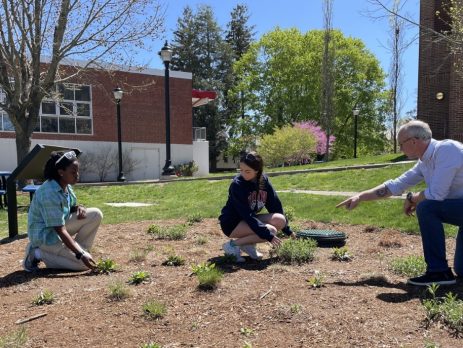
three people working in a rain garden between two buildings

In Connecticut, rain gardens show promise for stormwater management

Stormwater management is a challenge that many communities face. Roads, parking lots and similar surfaces make up much of the urban landscape, but rainwater can’t soak into the ground where pavement is present. That increases localized flooding risks and the possibility of untreated pollutants flowing into streams and rivers.  In Connecticut, Extension experts are encouraging residents, businesses and municipalities to [...]

Read more...
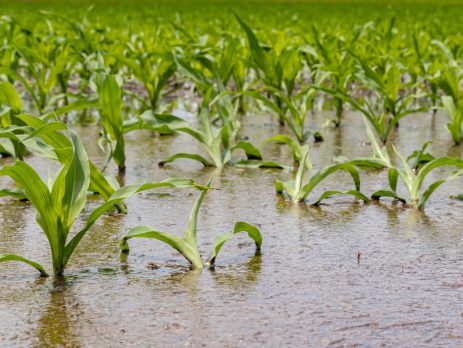
flooded cornfields

Building resilience through disaster preparedness in Connecticut

Extreme weather events such as flooding, hurricanes, drought and hail are increasing in Connecticut. This threatens safety, livelihoods and local economies for farms, families and municipalities. Many local residents don’t have access to coordinated, research-based guidance.  University of Connecticut Extension uses the Extension Disaster Education Network (EDEN) to deliver research-based disaster preparedness education around the state. Educators identify preparedness gaps [...]

Read more...
a group of children smile around a science experiment

Land-grant universities support youths, build stronger communities

The Land-grant University System plays a crucial role in equipping young people with the skills, knowledge and leadership abilities they need to thrive in their personal and professional lives. Here are a few examples of that work: In North Carolina, the Bertie DigiCon provided residents with tools and resources to overcome digital barriers. The event raised funds for youth development and [...]

Read more...
a family preparing a salad

Delivering nutrition and health education and resources at the community level

The SNAP-Ed program provides research-based nutrition education to SNAP recipients and those who are eligible for benefits, helping individuals and families make more nutritious food choices, stretch their food dollars and lead healthier lifestyles. Land-grant universities play a key role by leveraging Extension professionals to deliver nutrition education and resources directly to a wide audience of communities. The program [...]

Read more...
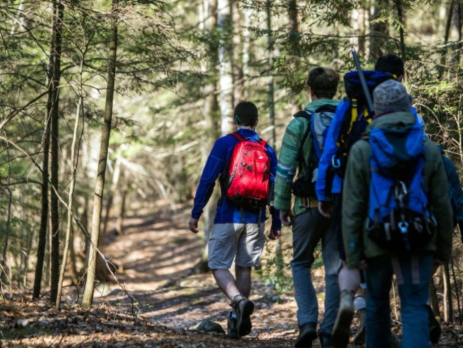
people hiking

Enhancing health and well-being through physical fitness

Regular physical activity, such as walking, is critical for overall health and well-being. It helps improve cardiovascular health, strengthen muscles, enhance flexibility and reduce stress and anxiety. It also aids in weight management and reduces the risk of chronic diseases like diabetes and hypertension. The Land-grant University System plays a significant role in promoting physical fitness and health through [...]

Read more...
two people sawing a tree

Volunteers help protect and restore local environments

Land-grant universities across the United States are finding ways to engage the public in science and stewardship that address real-world problems in their communities. With training and tools, volunteers are able to collect important data that help scientists, natural resource organizations, community members and the government protect and restore land, air and water resources — and the ecosystem services [...]

Read more...
a person watching the "Field Crops Virtual Breakfast" on a laptop

Virtual education programs reach clientele where they live

Since 2020, virtual education has increasingly helped land-grant university research and Extension programs be more available to clientele where they live. These virtual programs are user-friendly and can be tailored to an audience’s educational level. By creating a virtual series that is informative and interactive, land-grant universities can significantly enhance the reach and impact of research and Extension information. Here [...]

Read more...
a young child in a highchair eats a piece of broccoli

Extension educates families on the link between poor diet, dental cavities in young children

Dental decay is the most common chronic condition in children, and those from families with low-income experience poor diet quality and cavities. Families face challenges in promoting healthy diets and dental care to their children due to barriers such as lack of transportation, targeted advertising and limited access to healthy foods. The University of Connecticut Extension supports the SNAP-Ed nutrition [...]

Read more...
a farmer pulls a plant from the ground

Reducing barriers to success for new farmers

Beginning farmers face an increased need for educational support and networking to remain profitable. Land-grant universities are working to understand and meet these individual and community needs. Here are a few examples of that work: In Wisconsin, Extension partnered with 12 agricultural associations and community organizations to facilitate focus groups exploring needs of beginning and early career farmers. They introduced Extension [...]

Read more...
kids swimming in a natural body of water

Strengthening families through engaging programs

Research and Cooperative Extension professionals in the Land-grant University System are dedicated to developing innovative programs that impact diverse communities nationwide. This work helps improve the lives of youths and families by connecting them with educational resources and engaging opportunities. Here are a few examples of that work: In Oklahoma, the Co-Parenting for Resilience program is helping parents effectively cope with [...]

Read more...
young girl looks into a microscope

Strengthening communities by expanding access to education and resources

The Land-grant University System is helping make communities stronger by ensuring information and programs are accessible and beneficial to all. From making workplaces safer to bringing science education to new audiences to helping better connect residents with community resources, Extension professionals are keeping their mission to reach and serve all people top of mind. Here are a few examples of [...]

Read more...
Young child smiles holding vegetables

Strengthening Tribal communities through collaboration

Working with federally recognized Tribes, land-grant universities help provide evidence-based education and resources that represent the community’s history customs, governance system and food traditions. These programs promote and improve health, food security and sustainability for Tribal communities. Here are a few examples of that work: Representation and cultural relevancy for Tribal communities is critical for Extension outreach success. Health and nutrition [...]

Read more...
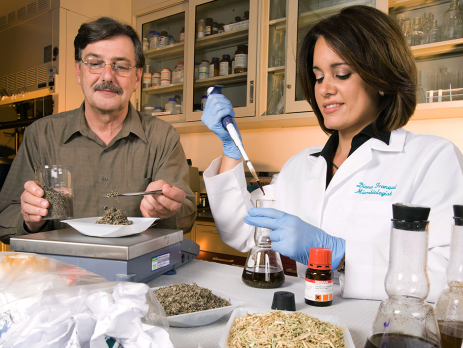
two scientists analyze samples in a food lab

Understanding how natural chemicals in food affect health

The foods and drinks we consume contain natural chemicals like vitamins, minerals, flavonoids, toxicants and hormones that can positively or negatively impact human health. Since 1971, a multistate project has brought together researchers at 22 land-grant universities to research the effects of these dietary bioactive chemicals. Studies shed light on mechanisms involved in bioactivity and determined how agricultural practices [...]

Read more...
Photo of blueberries, glucose monitor, cherries, dumbbell and tape measure

Diabetes education helps individuals, families manage chronic disease

Type 2 Diabetes is increasing at an epidemic rate in the U.S. This chronic disease requires daily management to control blood sugar levels and prevent life-changing complications. Many individuals and families struggle with diet modifications that would help manage health and also have limited access to nutrition and diabetes professionals. The Land-grant University System helps fill that gap, providing [...]

Read more...
Aerial view of a field mapped out with drone technology

Emerging technologies aid conservation and management

Climate change and biodiversity losses pose extraordinary challenges for the sustainability of natural ecosystems and the species that inhabit them. Land-grant universities are developing and applying emerging technologies that can help to more efficiently, accurately and safely monitor, measure, and precisely manage these systems with minimal environmental impact. Here are a few examples of that work: In New Hampshire, researchers found [...]

Read more...
forest with wildlife

Forestlands are fundamental for healthy ecosystems

Forests are vulnerable to climate change, but when managed sustainably they can play an important role in mitigating climate change. Healthy trees provide oxygen by removing carbon dioxide from the air through photosynthesis. The carbon is stored in wood, plants and soil, helping to reduce carbon emissions. Land-grant universities are supplying research and outreach to improve our forestlands. Here are [...]

Read more...
the torso of a person checking something off on a clipboard

Research and education combine to fight food contamination

The U.S. Centers for Disease Control estimate that 48 million people become ill from foodborne illnesses annually, resulting in 3,000 deaths. Through research and education, land-grant institutions are working to reduce the pathogens contained in food and increase food security. Here are a few examples of that work: In Vermont, a certification program known as CAPS+ was developed to assure retailers [...]

Read more...