Tag - Community Development/Engagement

Topic

Wellness on Wheels truck

Empowering community resilience

Community resilience support is a critical function of the land-grant system because it equips individuals, families and local organizations with the knowledge, tools and partnerships needed to adapt to economic, environmental and public health challenges. Through research-based education and Extension outreach, land-grant universities strengthen local capacity, promote equity and help communities not only recover from disruption but build long-term [...]

Read more...
a family in silhouette, holding hands

Extension programs strengthen families through health, parenting initiatives

Healthy and resilient communities are built by supporting families and youths through reliable childcare, mobile health services and strong, healthy relationships. Extension-led efforts strengthen well-being by building life and parenting skills and fostering environments where individuals and families can thrive. Here are a few examples of that work: In 2025, Ohio Extension educators launched a maternal health program to support mothers [...]

Read more...
two girls sitting at a table with information

Preparing youth for adulthood with financial literacy programs

Youths often enter adulthood unprepared to effectively manage finances. Studies reveal concerning trends, such as that only 24% of students and 20% of their parents believe they are adequately prepared for adult financial challenges, or that 27% of Gen Z individuals have no savings. Without meaningful opportunities to learn budgeting concepts and gain practice with budgeting, managing income and [...]

Read more...
child playing with building blocks

Building a solid foundation for children

Early childhood is a decisive period in shaping academic achievement, social development and lifelong success. Parents, caregivers and early childhood educators play a central role in fostering the communication, cooperation, decision-making and problem-solving skills that research consistently links to later educational and workforce readiness. Ensuring that the adults in a child’s life have the knowledge and tools to nurture [...]

Read more...
a teacher and students look at classwork

Advancing student workforce development in West Virginia

In West Virginia, fewer students are going to college after high school. To meet the state’s workforce demand, 60% of West Virginians need to have some form of degree or certificate. As of 2022, only 45% of the adult population had achieved this level of education.  West Virginia University Extension conducted a statewide needs assessment in 2021 and discovered that [...]

Read more...
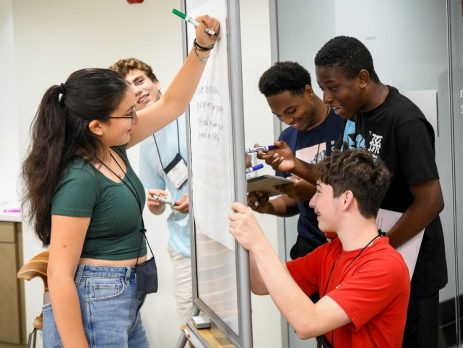
teens engaging in activities at a workshop

4-H programs prepare youth for college and careers

Professional skills like leadership, communication, problem solving and responsibility are important in any job or career. Land-grant university Extension 4-H programs help youth cultivate these skills to better prepare them for higher education and eventual employment. Here are a few examples of that work: After Missouri employers reported needs for workers skilled in communication, problem solving and collaboration, Extension specialists updated [...]

Read more...
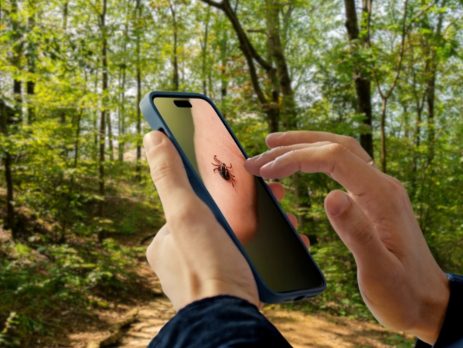
a person looks at a phone screen with a photo of a tick in a wooded area

Robust resource hub, outreach campaign help prevent tick bites, reduce spread of tickborne diseases

Tickborne diseases pose a growing public health threat — most notably Lyme disease, which affects nearly half a million Americans annually. Despite this increasing risk, the number of public health entomologists has declined, creating a critical gap in education and prevention efforts. The Centers for Disease Control and Prevention (CDC) has identified the urgent need for new tools to [...]

Read more...
a senior couple holds hands and looks at their land

Reducing farm stress

Farm stress management addresses the unique mental, emotional and financial pressures that agricultural producers face, helping them build resilience as they confront unpredictable weather, volatile markets and demanding workloads. Supporting farmers’ well‑being is critical not only for their personal health but also for the stability and sustainability of our food systems and rural communities. Extension plays an essential role [...]

Read more...
egg and avocado on toast

Online resource a ‘recipe’ for healthier, more affordable food choices

Many Michigan residents face barriers to healthy eating, including limited time, cooking knowledge and financial constraints. Having easy, affordable and nutritious meal ideas readily available can improve food security and support long-term health. However, people often struggle to find the practical resources to meet their needs.  In June 2025, Michigan State University (MSU) Extension launched a free online recipe website to [...]

Read more...
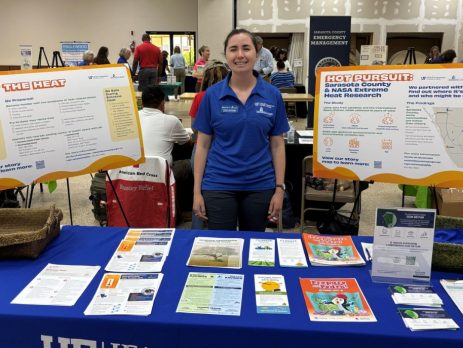
Extension agent at a table plans to talk to people about how Sarasota County is helping mitigate the urban heat island effect.

Mitigating urban heat island effects

Extreme heat is a concern in Sarasota County, Florida. In 2023, the county experienced 63 consecutive days with a heat index above 100°F and a full week exceeding 110°F. Projections indicate there may be as many as 131 extremely hot days expected annually by mid‑century. Because extreme heat is the deadliest weather-related hazard in the United States, understanding who [...]

Read more...
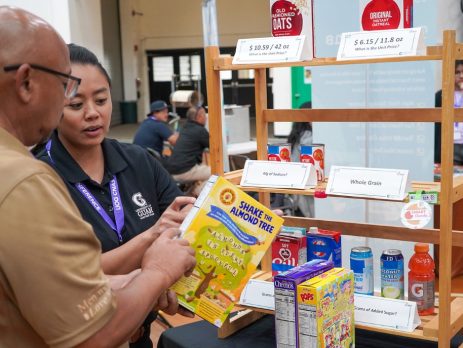
an Extension agent shows a member of the public how to read a nutrition label on a box of cereal

Improving food and nutrition knowledge and skills

The Expanded Food and Nutrition Education Program (EFNEP) helps adult and youth participants improve their nutrition and health. It promotes budget-friendly food choices by teaching skills in how to plan meals, shop wisely, and prepare affordable, nutritious foods. It empowers participants and builds self-confidence, leadership and lifelong healthy habits. By teaching food resource management and efficient use of available [...]

Read more...
two seniors lifting small dumbbells

Healthy aging

Healthy aging is essential for maintaining independence, well-being and quality of life as people grow older, and it benefits not only individuals but also their families and communities. Cooperative Extension programs play a vital role in supporting this process by offering research-based education, practical skills and community-centered resources. These resources help adults stay active, socially connected and informed about [...]

Read more...
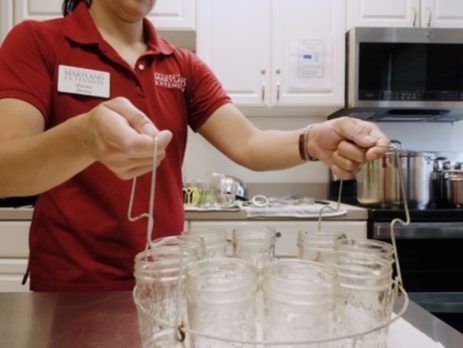
UME Agent, Shauna Henley, preparing mason jars for sterilization

Extension trainings keep Americans safe from foodborne illness

Foodborne illness is a widespread, costly public health concern in the United States. Each year, one in six Americans becomes sick from contaminated food, leading to hospitalizations, long-term health complications and even death. Pregnant women, the elderly, young children and people with weakened immune systems or chronic diseases are most at risk. Because food safety risks can occur at [...]

Read more...
4-H teens and instructor baking

Extension programming educates, empowers teens to make informed health choices in supportive environments

Teenage youth are one of our greatest resources for influencing change that leads to healthier communities; they are our next generation of leaders. When creating programming for older youth, Extension specialists take into consideration the unique physical, emotional and social changes during adolescence to tailor programming effectively. Across the country, Extension is tackling health issues for teenagers with innovative [...]

Read more...
an Extension agent shows youths plants from a community garden

Encouraging health and wellness in U.S. youth through hands-on activities, education

One in five school-aged children nationally suffer from obesity, and regular physical activity and balanced diets can lead to improved focus, behavior, self-esteem and academic performance. Encouraging healthy behaviors at an early age fosters a value for physical activity, healthy eating and preventive habits. These healthy behaviors can lead to fewer chronic diseases, resulting in lower health care costs and a [...]

Read more...
holding hands for support

Building networks to aid mental health strengthens communities

Mental health challenges affect individuals and families across the country, yet stigma and lack of knowledge often prevent people from seeking or offering help, especially in rural communities with fewer mental health resources. At land-grant universities across the U.S., Extension programming works to equip individuals to recognize, respond to and support those experiencing mental health or substance use issues through [...]

Read more...
two seniors drinking tea at a table

An integrated community-based approach to hypertension

Hypertension is one of the most significant chronic health challenges facing older adults, affecting two-thirds of Americans over age 60 and contributing to cardiovascular disease, cognitive decline and loss of independence. Despite its prevalence, this population has the lowest hypertension control rates, increasing strain on families, health systems and community resources. While the Dietary Approaches to Stop Hypertension (DASH) [...]

Read more...
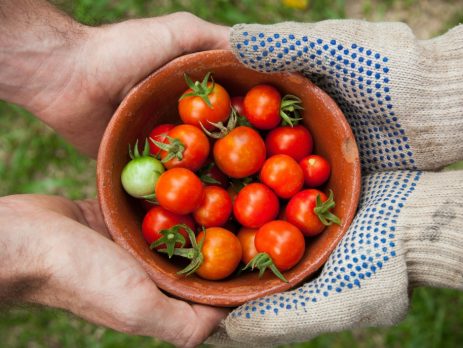
two pairs of hands holding a bowl of tomatoes

Veterans grow food, community and connection through gardening initiative

Military veterans and their families often face challenges related to physical and mental well-being, social isolation and food insecurity. Michigan State University Extension’s Seeds in Action initiative helps veterans grow healthy food and build meaningful relationships – addressing these critical public health challenges. The Seeds in Action program provides seed packets and gardening education to help veterans grow their [...]

Read more...
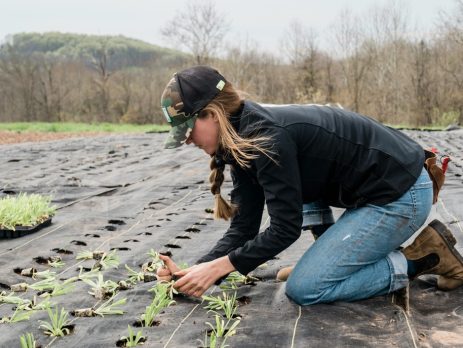
a farmer planting

Recognizing regenerative ag champions

Small-scale farmers who use regenerative practices play an important role in local food systems. These farmers often operate in areas with limited access to fresh food and provide healthy options for their communities. Despite their contributions, they rarely receive recognition or support. Raising awareness of their work can help strengthen community-based food production and encourage practices that improve soil [...]

Read more...

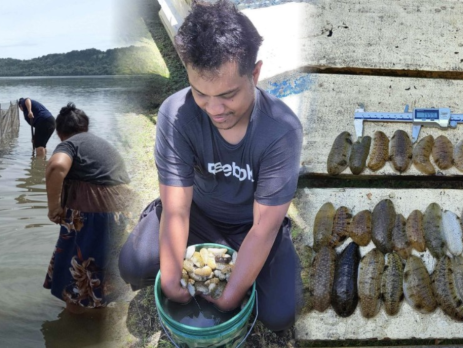
Making aquaculture more productive, safe and economical

The seafood industry is economically vital and provides an important source of protein for the world. Challenges to aquaculture include inefficient production methods, expensive feed inputs and food safety. Land-grant efforts are protecting and promoting this booming industry. Here are a few examples of that work: As feed is the most expensive cost of aquaculture, researchers in Alabama are developing feeds [...]

Read more...
food stores waiting for delivery in a local church community food bank

Food Recovery relieves food waste in Rhode Island

In 2024, more than one-third of Rhode Island households struggled to afford food. While food pantries served over 84,000 people each month, food remained the largest contributor to landfill waste, generating potent methane emissions and shortening the life of the state’s only landfill. In response, Food Recovery for Rhode Island mobilized trained volunteers and community partners to recover and [...]

Read more...
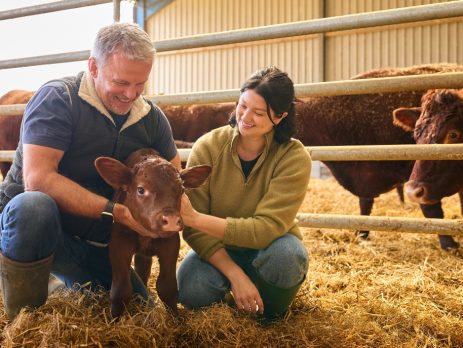
a farmer couple smile at a calf

Supporting producer safety, health and well-being

The U.S. Centers for Disease Control suggests that agriculture is one of the most dangerous businesses in the United States. An estimated 160 agricultural workers are injured every day, resulting in more than 58,000 injuries a year. According to a 2019 USDA report, approximately 19% of farmers have a disability. Land-grant universities are providing training to reduce injuries, support behavioral health and enable [...]

Read more...
A smiling woman in a green shirt and maroon cap crouches in a sunny field, harvesting a head of deep red leaf lettuce. She is working in a well-tended garden plot with irrigation lines, representing local agricultural impact and food production

Strengthening the agricultural workforce for the future

The workforce is changing. Across industries and states, trained workers are in demand to support local food systems, meet community needs, ensure safety and increase productivity. Land-grant universities are rising to the challenge of meeting these needs through partnerships, trainings, certifications and hands-on learning opportunities that strengthen the agricultural workforce. Here are a few examples of that work: Health and safety [...]

Read more...
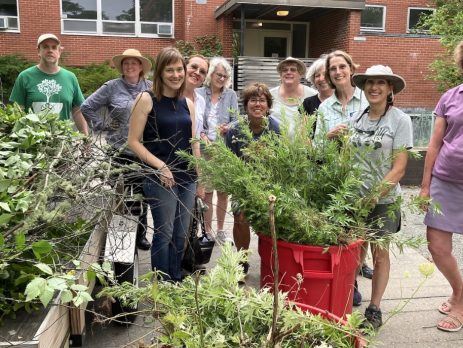
a smiling group of master gardeners

Horticulture programs sprout more resilient communities

Local horticulture is an important tool to combat food insecurity in underserved communities, while boosting environmental sustainability and community health. Volunteers with horticulture training through Extension Master Gardener programs partner with local organizations, schools and vulnerable communities to grow and distribute locally grown produce as well as create jobs.  Here are a few examples of that work: The Master Gardener program [...]

Read more...
two smiling Extension agents in a community garden

Growing food security in urban spaces

Urban communities continue to face persistent constraints related to food access, limited growing space and water availability. Urban, small-scale food production, including controlled environment agriculture such as greenhouses and vertical farming, is a rapidly growing part of local food systems. These systems support food security, environmental sustainability and community resilience. Here are a few examples of that work: A program to [...]

Read more...